
Address mesh blinding
cleaning action takes place beneath a suitable screen.


Reduce Dust Leaks | Improve Equipment Flexibility | Extend Connector Life
We help identify and implement the right Siftex solution for flexible process connections, custom sleeves, welded and sewn connectors, flexible tubing, industrial hoses, catch cloths, screener balls, and replacement connector components. From food processing and pharmaceuticals to chemicals, plastics, agriculture, and other bulk material handling industries, Siftex products help manufacturers improve product containment, reduce downtime, minimize dust leakage, and increase equipment reliability.
Get a Siftex Connector RecommendationHelp keep screen openings clear from below the mesh.
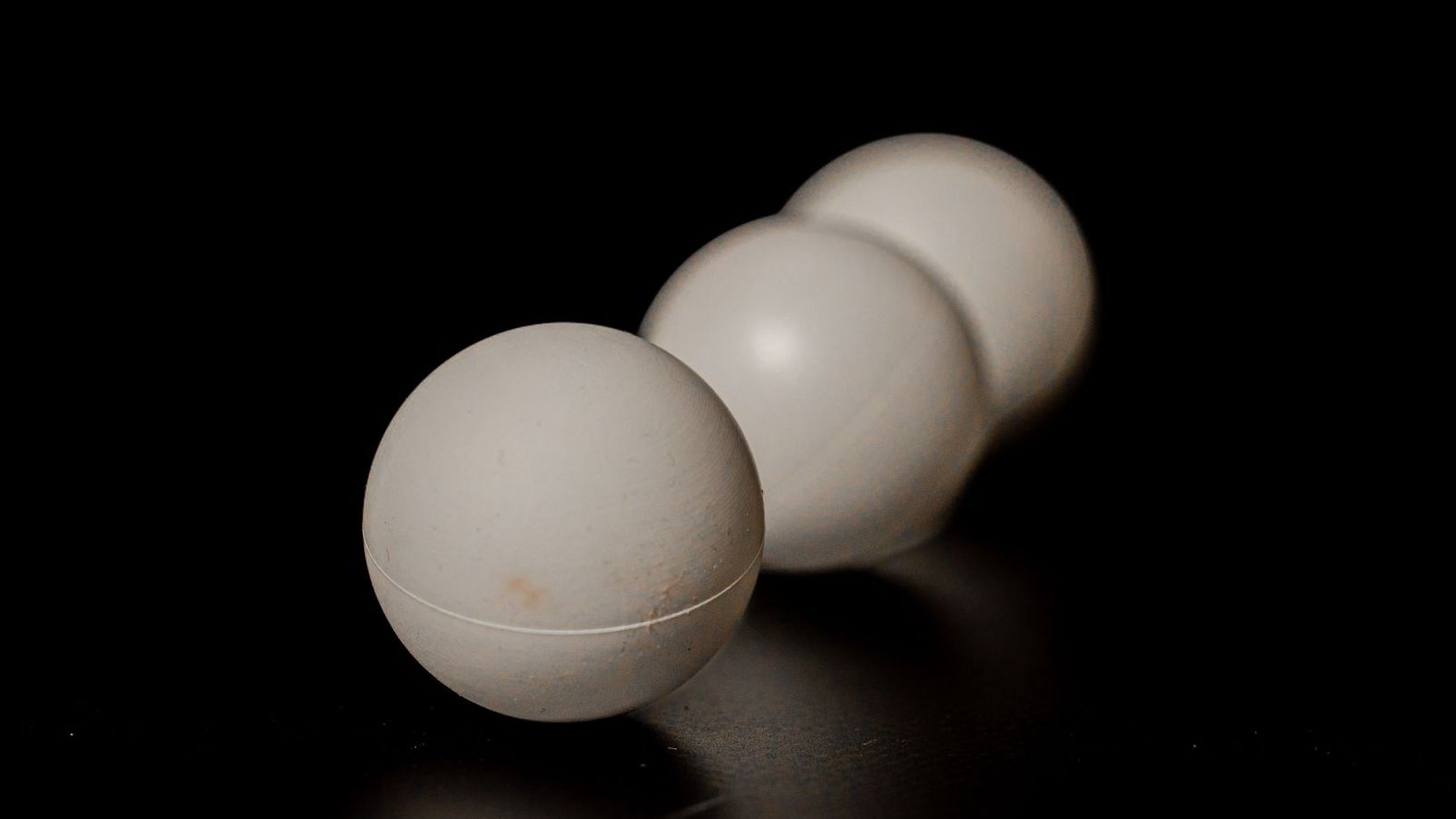
Help keep screen openings clear from below the mesh.
Siftex Better Balls are used in suitable ball-tray screening arrangements. Their movement beneath the screen helps dislodge material from openings. Ball size, resilience, material and the tray arrangement must suit the screen and product.
Example: Review screen blinding where an existing ball-tray deck needs suitable replacement balls.
Also known as: Sifter balls, mesh-cleaning balls, deblinding balls, Better Balls.
cleaning action takes place beneath a suitable screen.
diameter, hardness and resilience influence behaviour.
wear, chemistry and detectability requirements guide the compound.
review product contact and contamination-control requirements.
ball-tray and mesh details determine the fit.
abrasion, temperature and chemical exposure influence material choice.
Connection dimensions, offset and movement, product and cleaning chemistry, temperature, pressure or vacuum, abrasion, and any material-compliance documentation needed.
No. Detectability depends on fragment size and the actual detector and product conditions. Validate the selected material with your inspection system and maintenance procedure.
Connection dimensions, offset and movement, product and cleaning chemistry, temperature, pressure or vacuum, abrasion, and any material-compliance documentation needed.
Confirm the complete quoted equipment, operating conditions and selected options for your application.
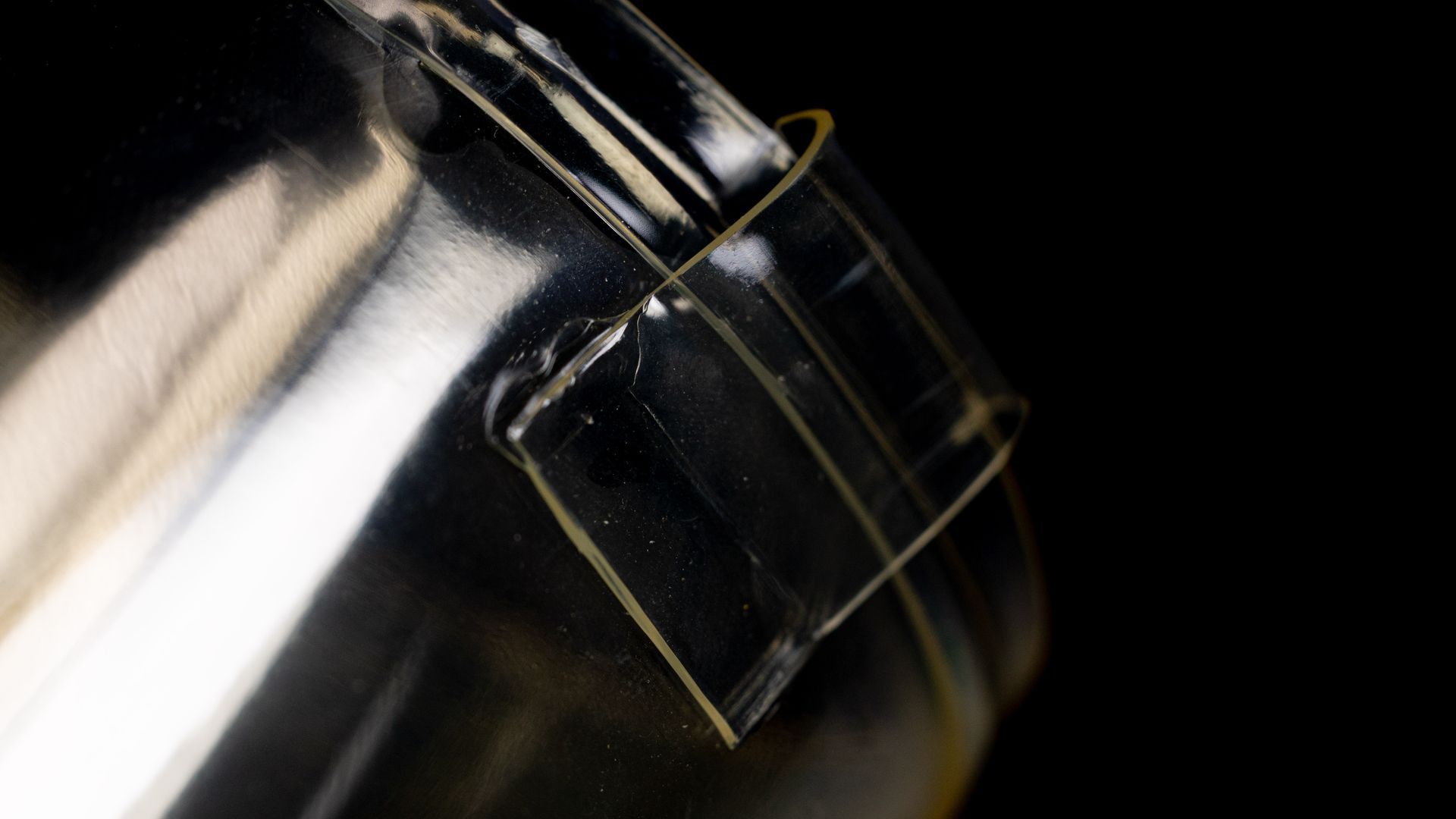
Use a welded sleeve
Join process equipment with a tailored flexible connection.
Example: Connect an equipment outlet to a moving machine while reviewing dust containment.
Also known as: Welded sleeves, flexible process connectors, custom transitions.
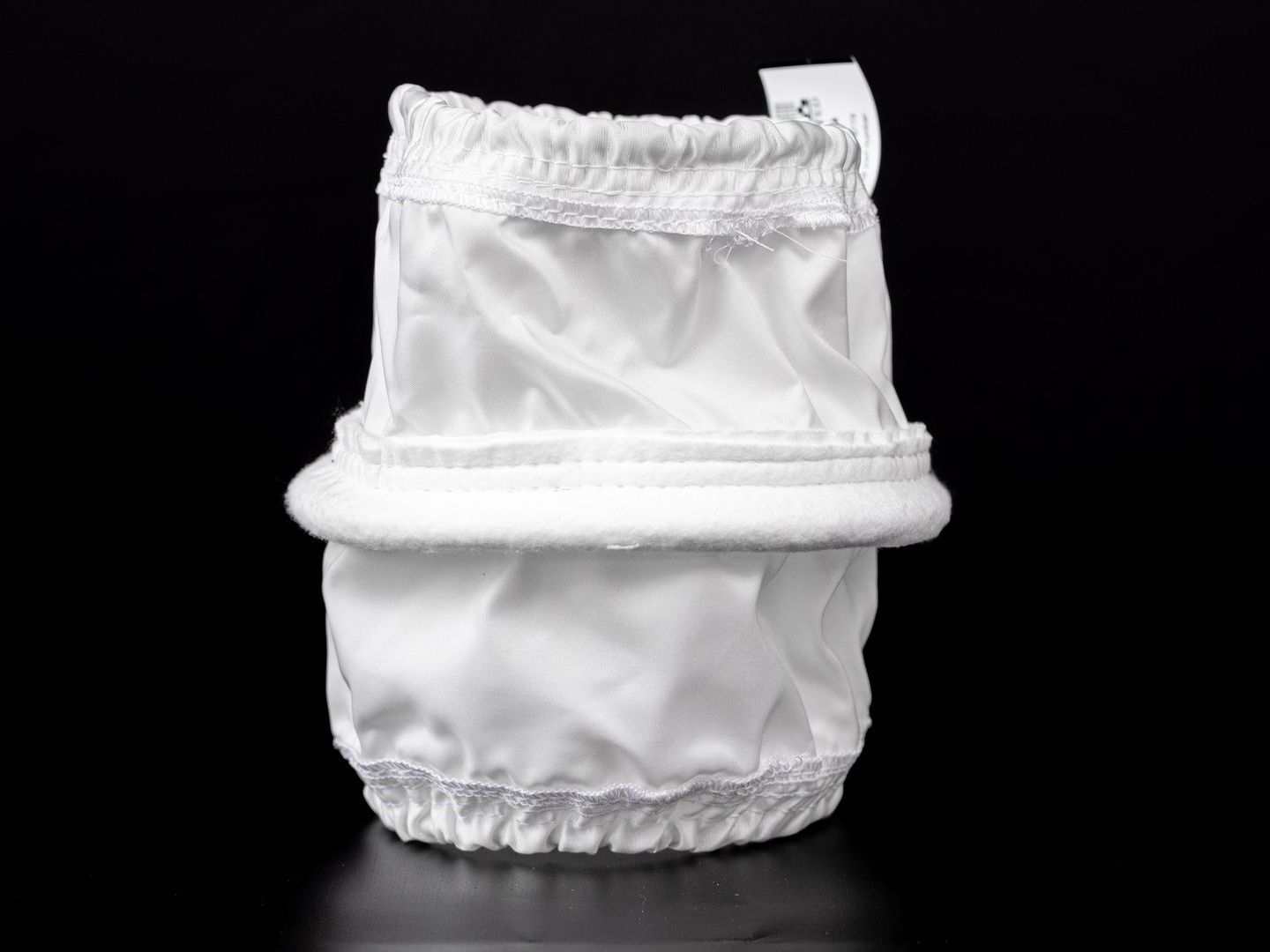
Use a sewn fabric
Use selected fabric construction for a moving process connection.
Example: Connect a sifter discharge with a custom fabric sleeve suited to the movement.
Also known as: Siftsox, sewn sleeves, fabric connectors, sifter socks.
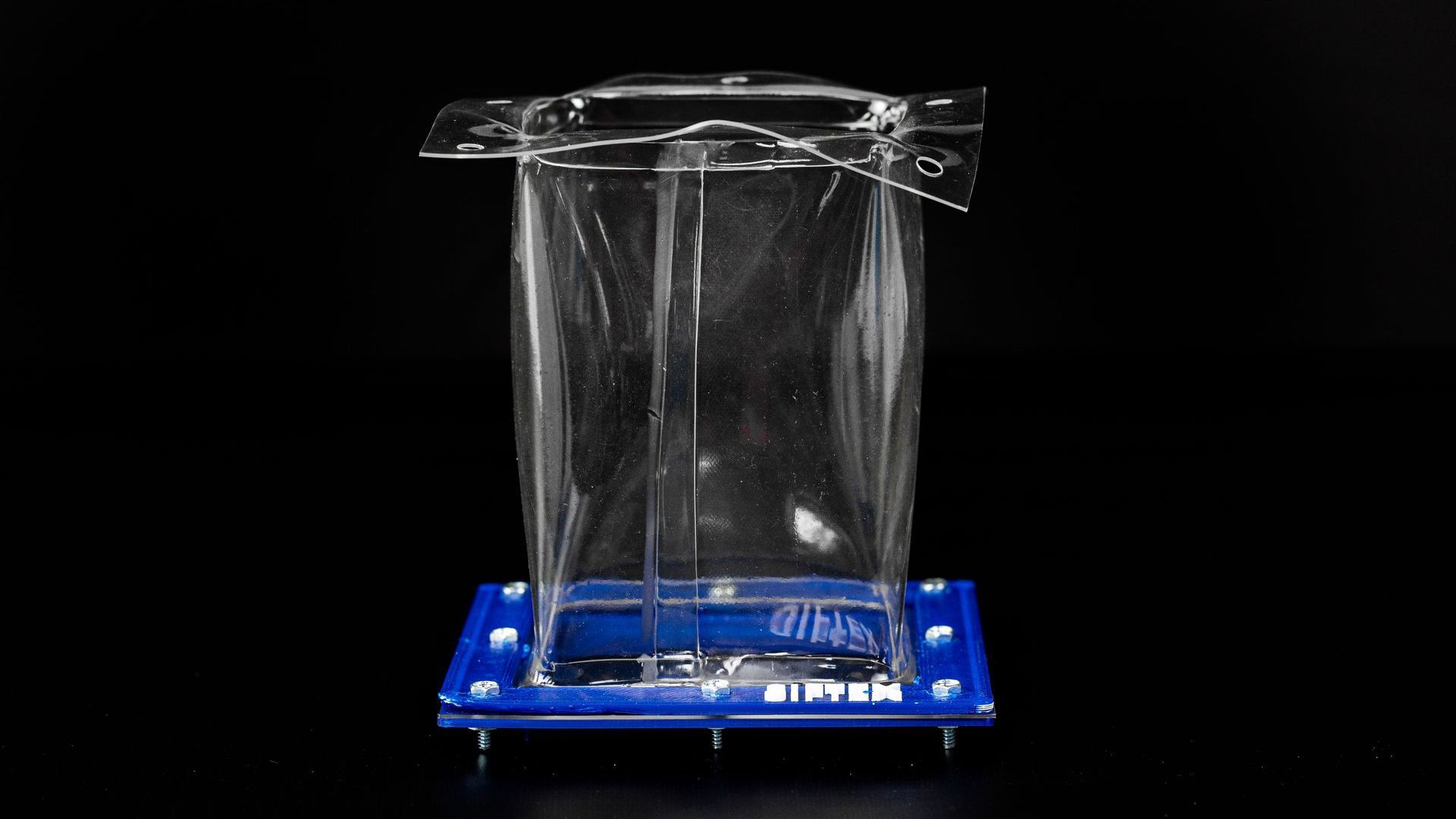
See the product flow
Keep the material path visible through a selected flexible connector.
Example: Observe a dry-material transfer through a clear flexible connection.
Also known as: Clear polyurethane connectors, transparent sleeves, Clear-Flex SDX.
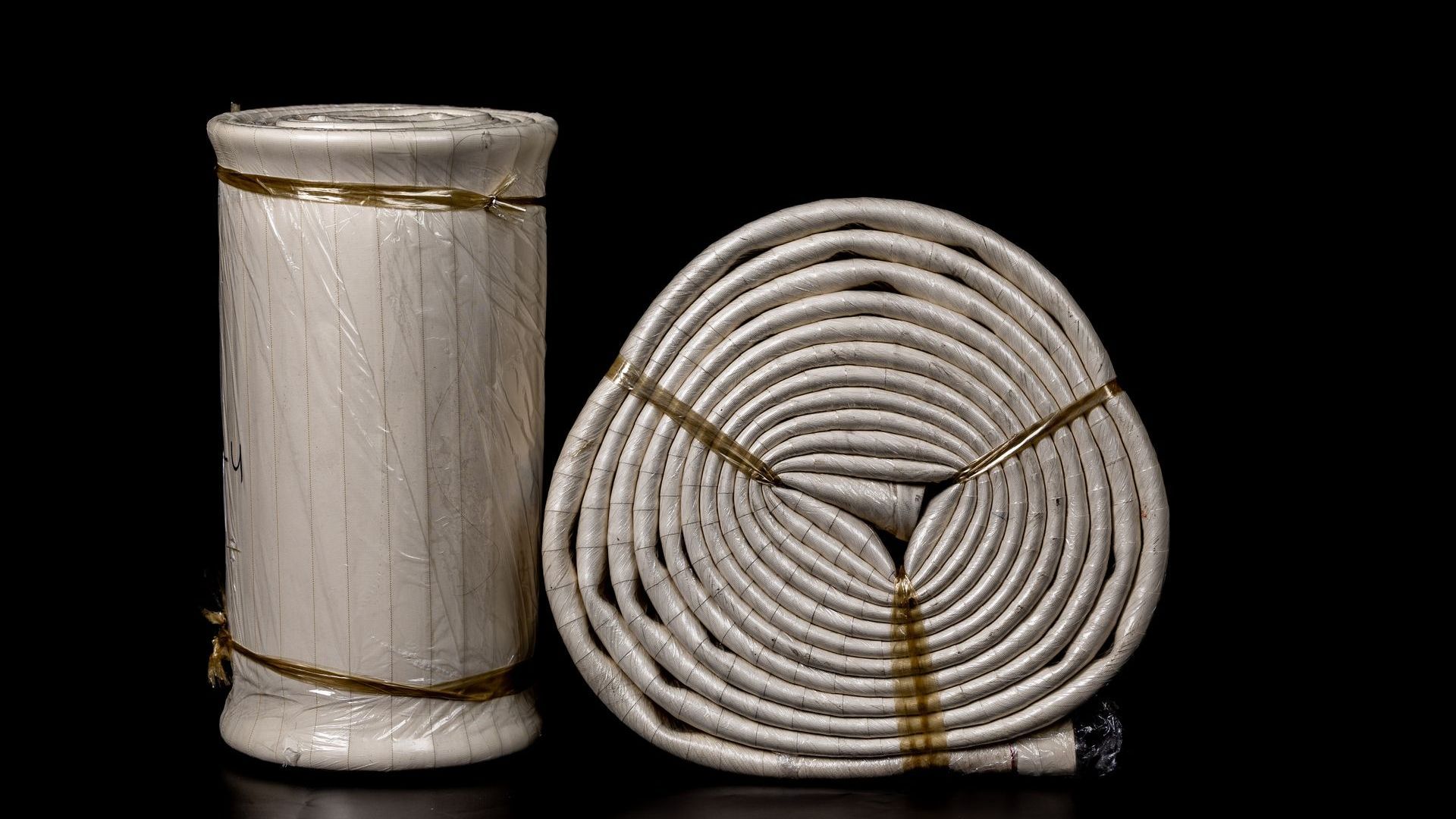
Select a rubber sleeve
Choose a rubber sleeve around the product and operating conditions.
Example: Replace a flexible sleeve where the existing compound is affected by wear or cleaning chemistry.
Also known as: Seamless rubber sleeves, rubber connector tubing, elastomer sleeves.

Contain conveyor spills
Contain crumbs and loose material beneath a conveyor.
Example: Collect bakery crumbs under a conveyor instead of allowing them to fall across the area below.
Also known as: Bakery crumb catchers, catch cloths, under-conveyor containment.