Bridging and Arching
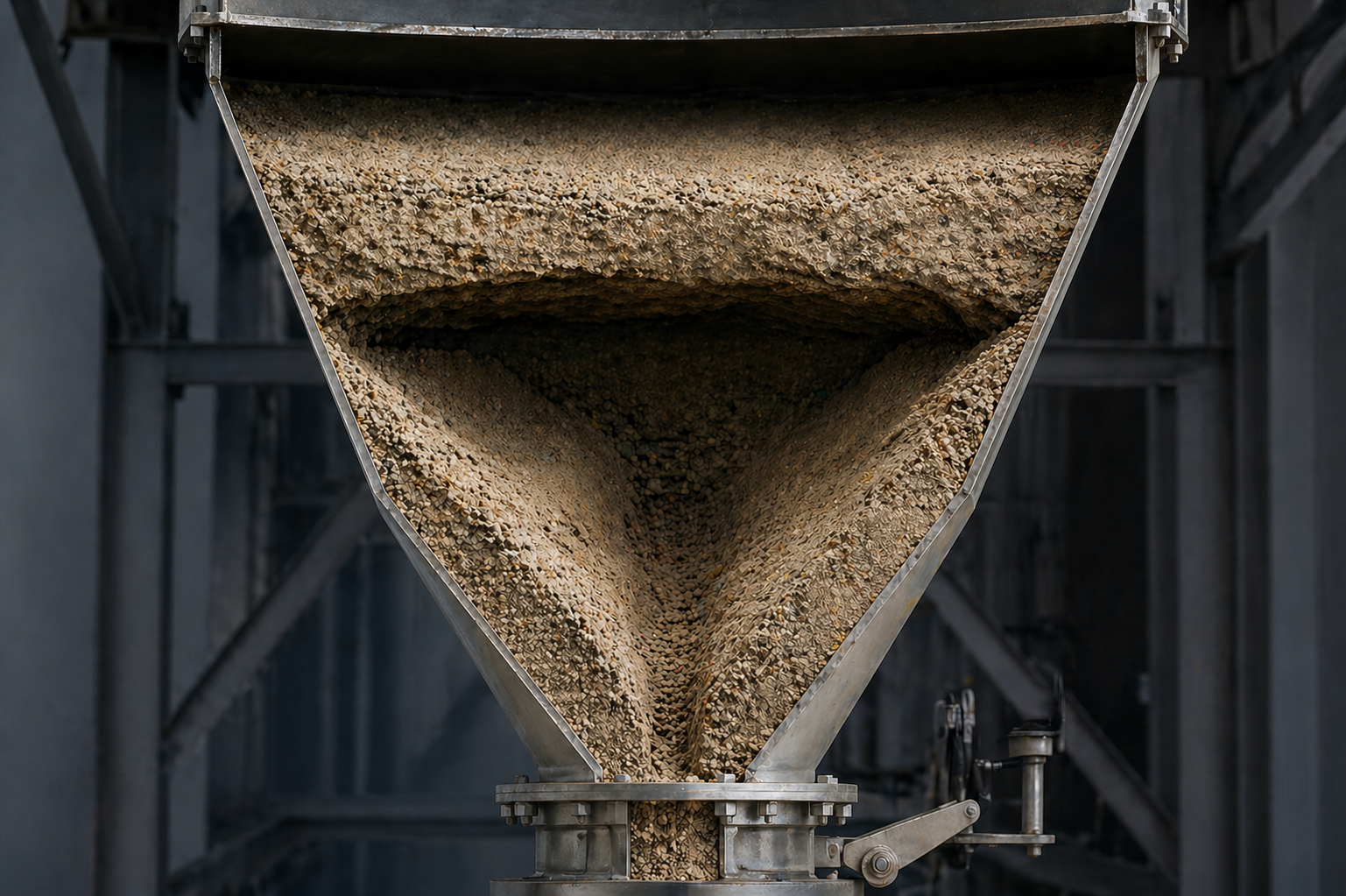
Material forms a stable arch above the outlet and prevents the hopper or bin from discharging.
Material Flow Solutions
Rate Technology Systems helps manufacturers identify what is restricting material flow and evaluate the right combination of flow aids, discharge equipment, valves, feeders and flexible connections.
Identify the Process Problem
A hopper that will not empty consistently does not automatically need a vibrator. The correct solution depends on the material, vessel geometry, operating conditions, discharge equipment and required process rate.
Material forms a stable arch above the outlet and prevents the hopper or bin from discharging.
Material flows through a narrow central channel while product remains stagnant along the vessel walls.
Cohesive or moist material adheres to internal surfaces, reducing usable capacity and restricting discharge.
Surging, pulsing or variable material flow disrupts downstream feeding, conveying, batching or packaging.
Aerated or free-flowing powders discharge too quickly and overwhelm downstream equipment.
Operators are repeatedly hammering vessels, clearing blockages or adjusting equipment to maintain production.
Diagnose Before Selecting Equipment
Reliable material flow begins with understanding the interaction between the bulk solid, the storage vessel and the downstream process.
Particle size, bulk density, moisture, cohesiveness, temperature, abrasiveness and compressibility all affect flow behaviour.
Wall angles, outlet dimensions, vessel shape and internal surfaces may promote or restrict reliable discharge.
Material may compact, absorb moisture, settle or change condition while stored for extended periods.
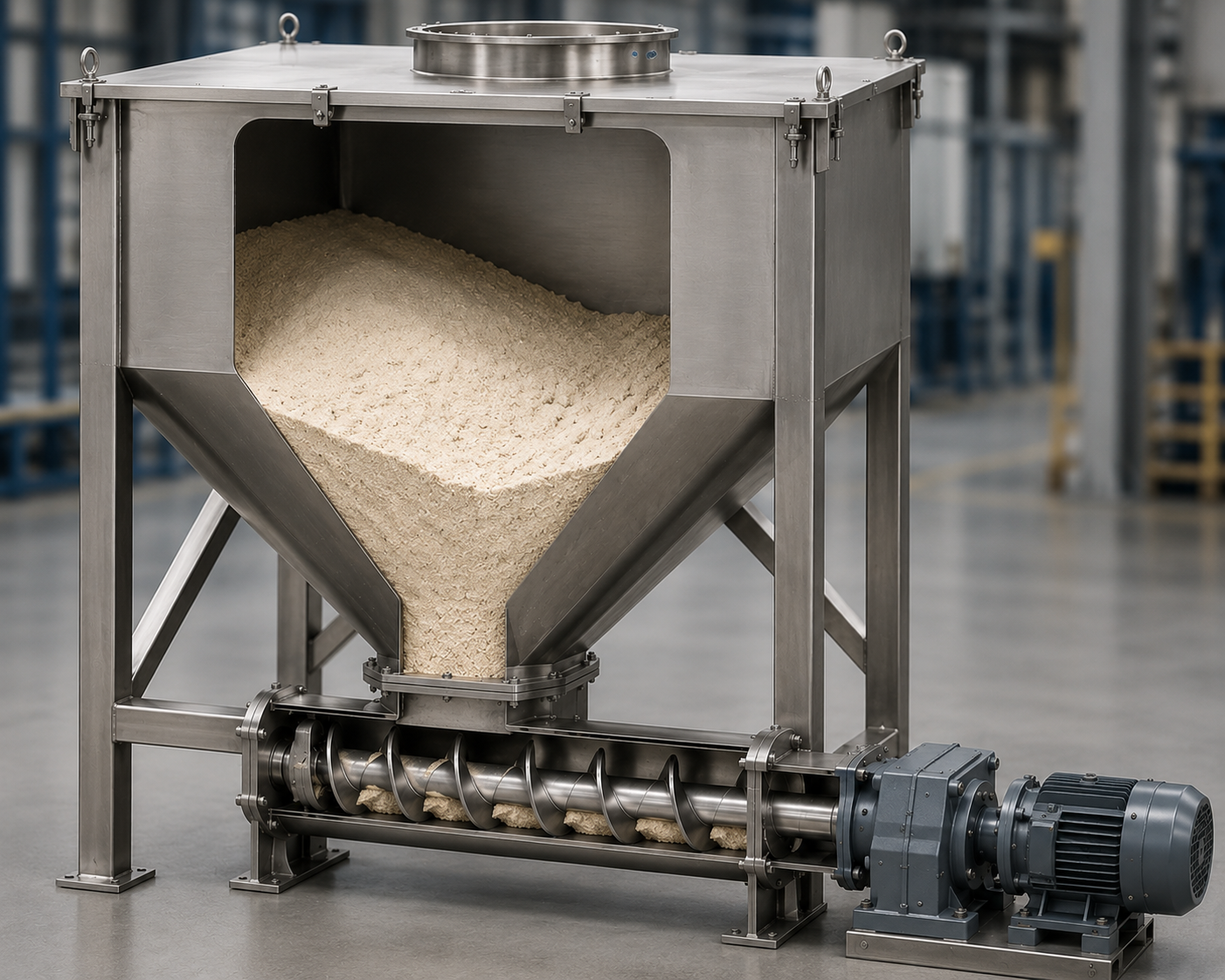
A feeder, rotary valve, screw conveyor or closed gate can restrict discharge even when the vessel itself is properly designed.
The system must discharge material consistently at the rate needed by the downstream operation without uncontrolled flooding.
Material Flow Technologies
The right solution may promote flow, control discharge, route material or improve the reliability of the surrounding process.
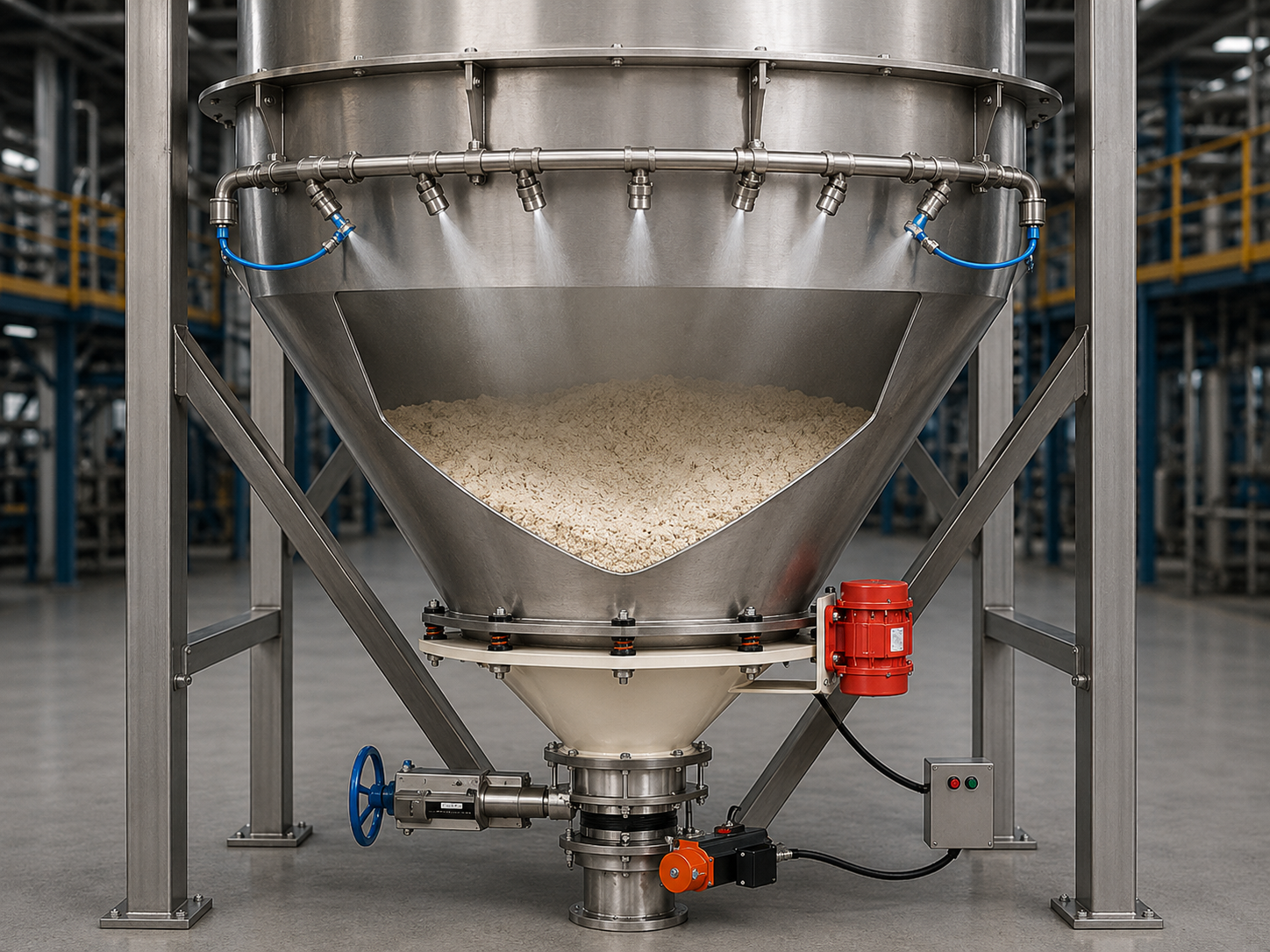
1. Promote Material Flow
Flow-aid technologies introduce controlled energy or movement into the vessel to encourage cohesive or difficult materials to discharge more consistently.
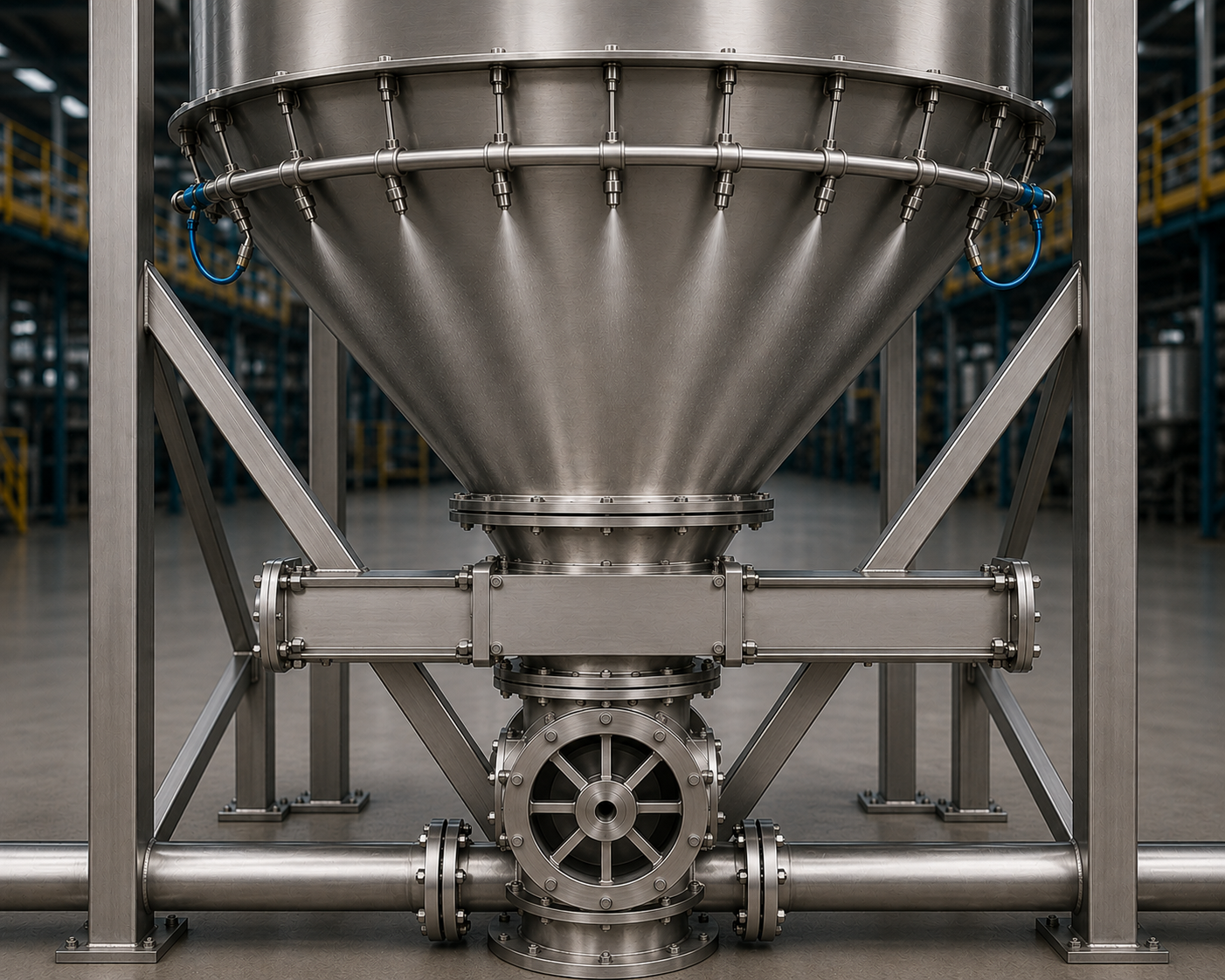
2. Control Material Flow
Once material is moving, the process may still require accurate control. Gates, valves and feeders regulate how quickly material leaves the vessel and enters downstream equipment.
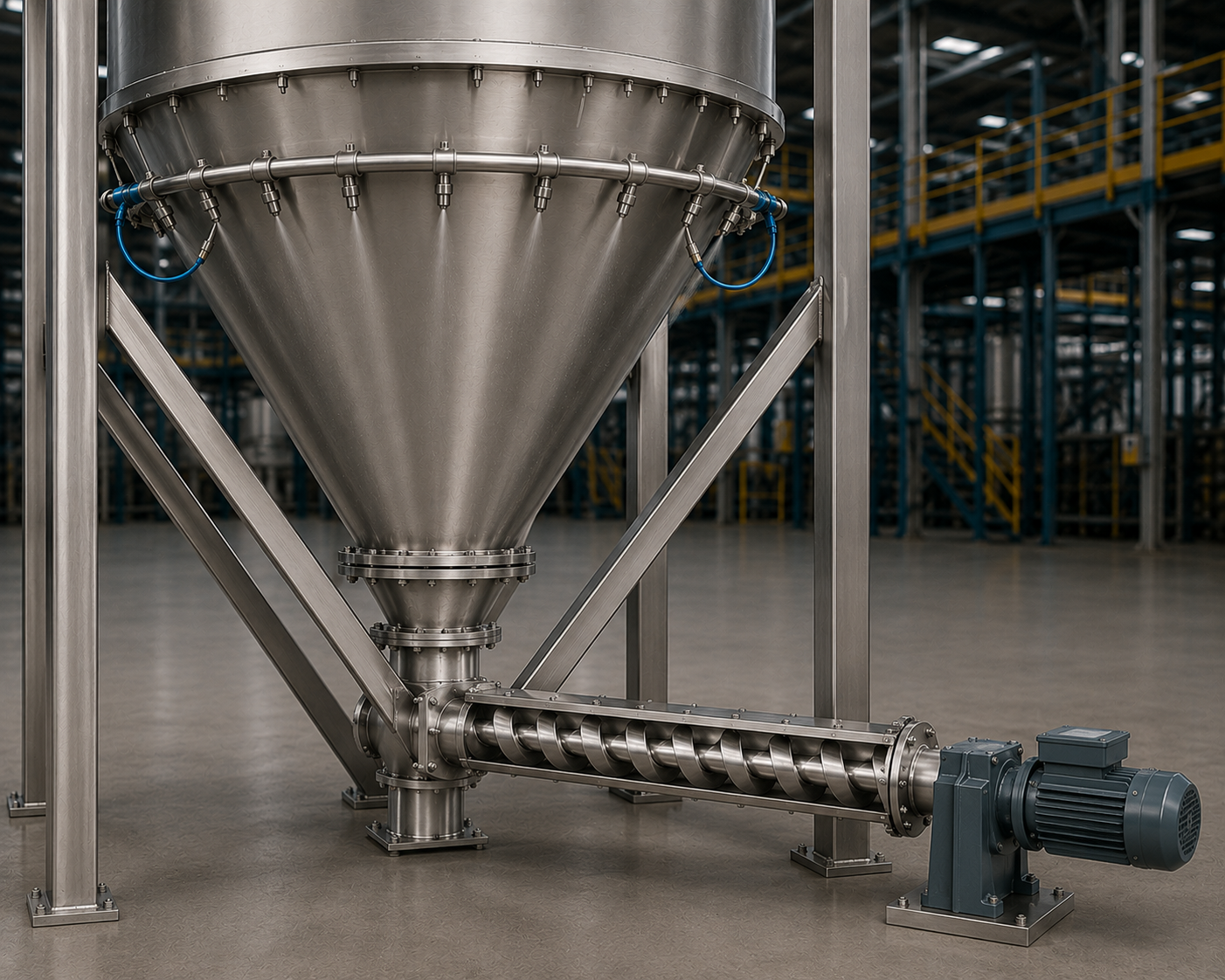
3. Transfer and Route Material
In some applications, the apparent hopper problem is actually caused by downstream transfer equipment. The discharge device and conveyor must work together as one coordinated system.
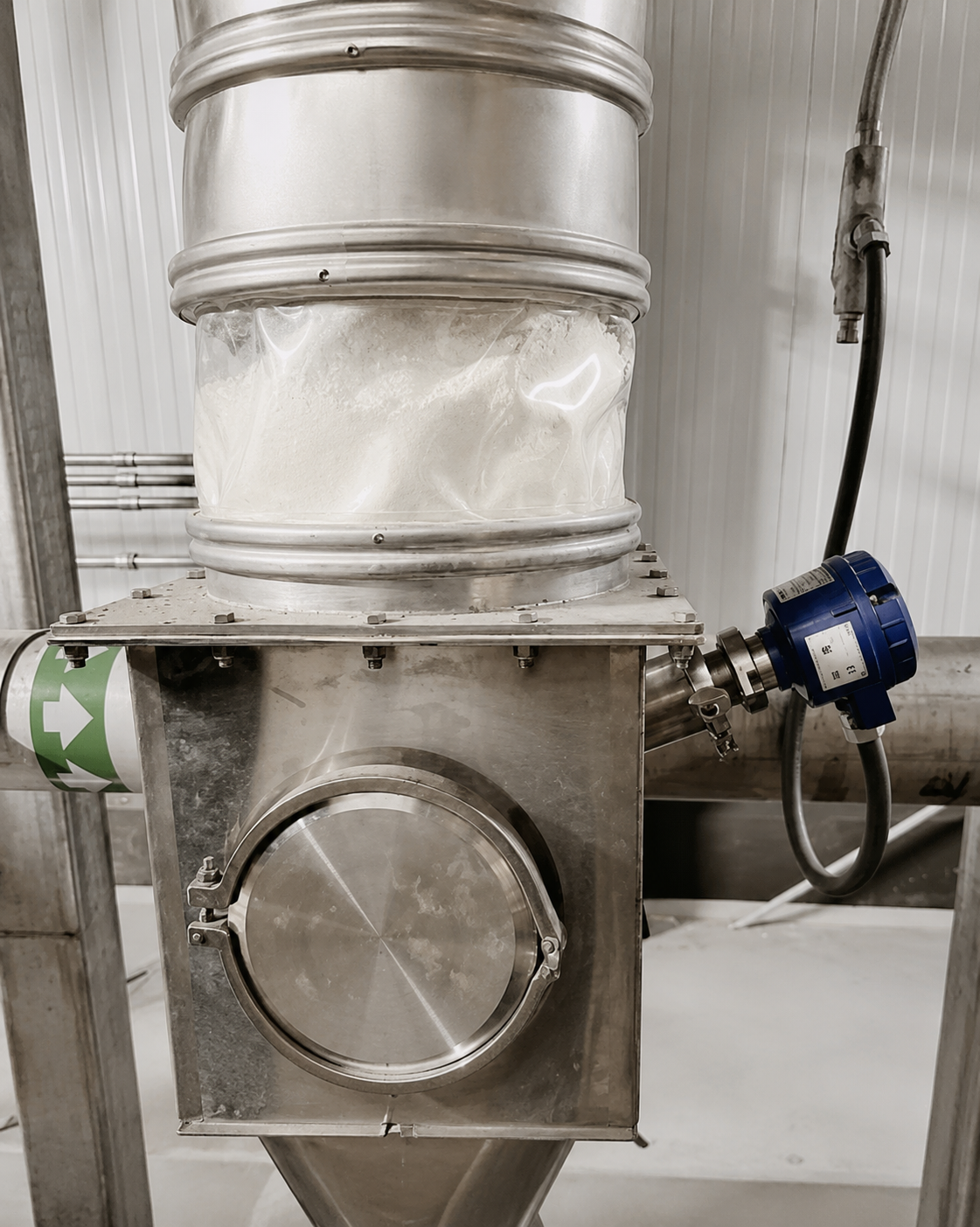
4. Maintain a Reliable Process
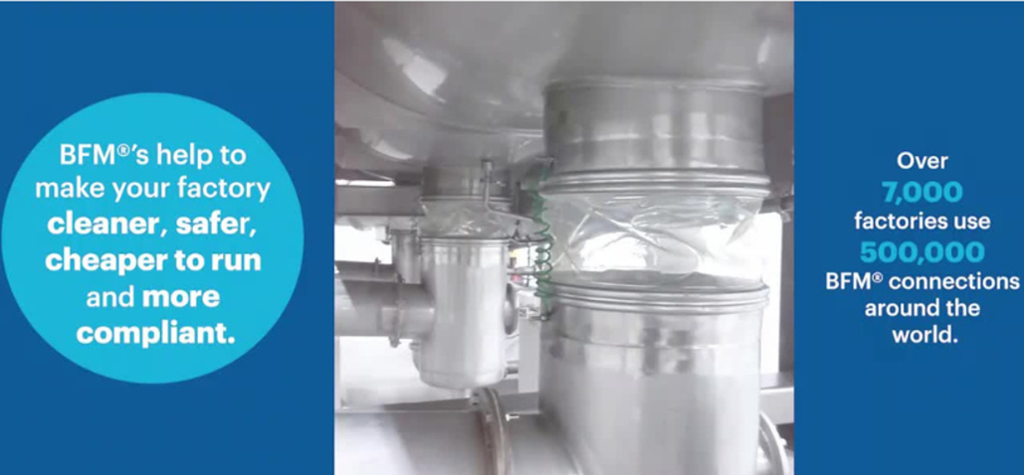
Reliable material flow also depends on properly vented vessels, accurate level information and flexible connections that do not restrict equipment movement or create leakage points.
The following details help determine which technologies should be considered:
Why Rate Technology Group
Rate Technology Group works across multiple equipment technologies, allowing us to evaluate the material-flow problem before identifying the most appropriate solution.
Review the powder or bulk solid, its flow behaviour and the conditions affecting it.
Evaluate the storage vessel, discharge point, downstream equipment and production requirements.
Separate the visible symptom from the underlying flow, equipment or control limitation.
Compare suitable technologies and coordinate with the appropriate equipment manufacturer.
Discuss Your Application
Tell us what material you are handling, what the process is doing now and what you need it to do. We will help identify the likely causes and determine which material-flow technologies should be considered.
Application Review
Tell us about your material, and application and we’ll help recommend the right approach.
No obligation. We will simply review your application and provide practical guidance within 24 hours.