
Select for the vessel
volume, strength, geometry and dust properties influence sizing.


Protect Equipment | Improve Process Safety | Reduce Explosion Risk
We help identify and implement the right BS&B explosion protection solution to safeguard dust collectors, silos, bins, mills, dryers, conveyors, and process equipment from combustible dust hazards.
Get an Explosion Protection RecommendationRelieve explosion pressure through a designed discharge path.
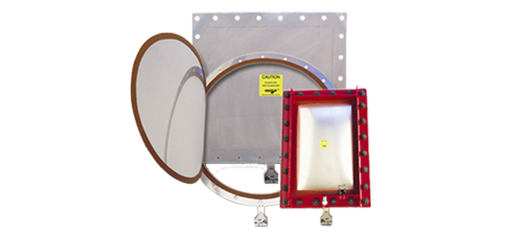
Relieve explosion pressure through a designed discharge path.
BS&B VentSaf panels are passive explosion-relief devices selected for a vessel and its combustible-dust hazard. They open at a specified pressure to release the deflagration through a planned vent path. Venting does not prevent ignition or automatically protect connected equipment.
Example: Review venting on a dust collector with a discharge route to an appropriate safe area.
Also known as: Explosion relief panels, dust explosion vents, rupture vents.
volume, strength, geometry and dust properties influence sizing.
flame, pressure and material release require a suitable location and clearances.
connected ducts may require separate explosion isolation.
relief design must consider collector construction and location.
vessel strength, geometry and the stored dust matter.
the hazard assessment determines where venting is suitable.
BS&B introduces venting, flameless venting, chemical suppression and chemical isolation. This is an overview of protection roles, not a sizing demonstration or a project-specific design.
Dust test data, vessel strength and volume, connected ducts, operating conditions, personnel locations, equipment layout, and the project hazard assessment.
No. Dust characteristics, vessel strength, geometry, vent opening pressure and any ducting influence the design. Provide the hazard data and installation arrangement for a project-specific assessment.
Dust test data, vessel strength and volume, connected ducts, operating conditions, personnel locations, equipment layout, and the project hazard assessment.
Confirm the complete quoted equipment, operating conditions and selected options for your application.
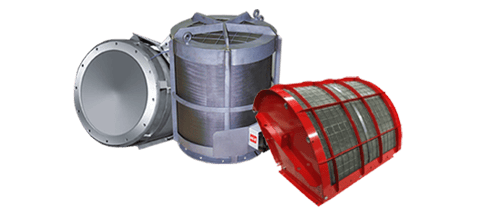
Quench vented flame
Manage vented flame where an open flame discharge is unsuitable.
Example: Review an indoor dust collector where a conventional outdoor vent route is impractical.
Also known as: Flameless vents, FlameFree venting, IQR systems.
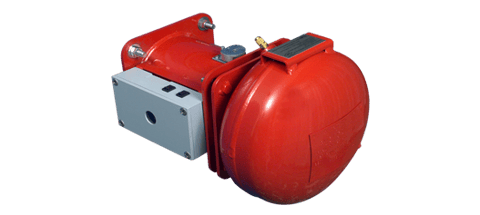
Suppress in a vessel
Detect a developing explosion and discharge suppressant into the protected volume.
Example: Assess suppression for a vessel where explosion venting is not the preferred protection method.
Also known as: Chemical explosion suppression, IPD suppression systems, active explosion protection.
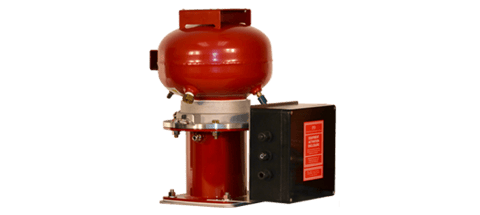
Isolate chemically
Limit flame propagation through a connected process duct.
Example: Assess the duct between a protected dust collector and connected process equipment.
Also known as: Chemical barriers, active explosion isolation, IPD chemical isolation.
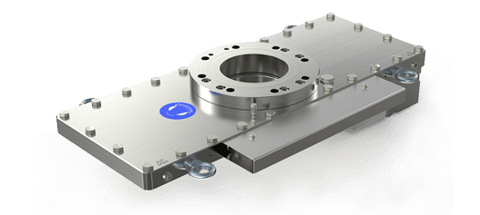
Isolate physically
Create a physical barrier in a connected process route.
Example: Assess active physical isolation in a duct connected to explosion-protected equipment.
Also known as: Mechanical isolation devices, active explosion isolation valves, IVE isolation.