
Material recovery
Review opportunities to recover a useful solid or liquid fraction.


We identify and recommend the right system based on your material, product quality targets, and throughput requirements.
Russell Finex systems support screening, grading, filtration, and liquid-solid separation across food, pharma, chemicals, coatings, metal powders, additive manufacturing, recycling, and industrial manufacturing applications.
High-capacity screening - Hygienic designs - Ultrasonic options - Self-cleaning filtration - Test before you invest
Separate or recover solids from a liquid stream.
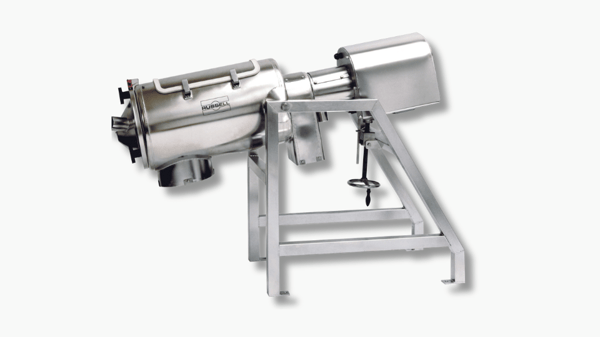
Do you want the solids back, the liquid back, or both?
Russell Finex offers centrifugal liquid-solid separation alongside vibratory screening approaches. The Russell Liquid Solid Separator™ continuously separates solids from liquid slurries; the suitable method depends on your feed and recovery goals.
Typical application
Recover useful solids from a process liquid rather than losing them to waste.
Also known as: Slurry separators, centrifugal liquid-solid separators.
Review opportunities to recover a useful solid or liquid fraction.
Assess a dedicated slurry-separation stage.
Compare centrifugal separation and screening for the duty.
Identify the liquid, solids, and target fraction.
Use the selected screen or centrifugal separation arrangement.
Collect separated solids and liquid for the next process stage.
Share your slurry composition, solids concentration, particle size, viscosity, temperature, flow rate, and desired recovery. Include photos or drawings when available.
Start with the purpose. Here, the focus is separating a slurry into solid and liquid streams for recovery or further processing. Liquid filtration focuses on removing unwanted particles from the liquid you want to keep. Some duties overlap, so share your outlet targets.
Ask RTS about testing with your material. Tell us what sample is available and how you will measure success, including capacity, quality, or recovery targets.
We will review the product conditions, equipment arrangement, utilities, cleaning method, and target result. Performance needs to be assessed against your actual feed and operating conditions.
View the manufacturer reference. Confirm final specifications and options with the quotation.
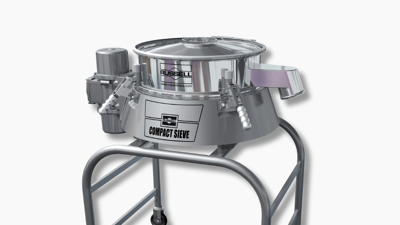
Police product quality by catching unwanted oversize.
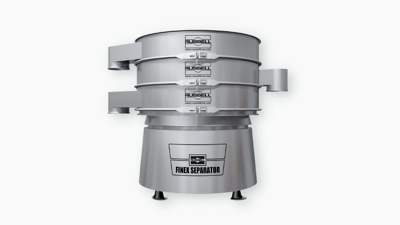
Separate material into the particle-size cuts you need.
Separate or recover solids from a liquid stream.
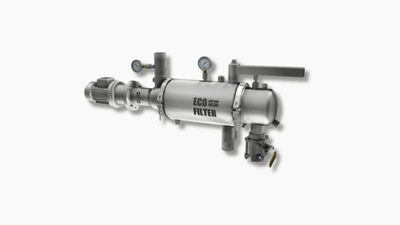
Police liquid quality without routine disposable filter-media changes.
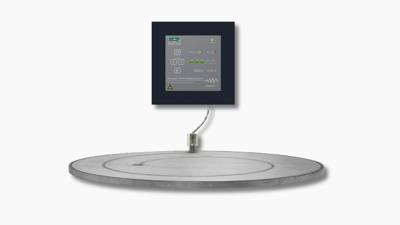
Keep the mesh working while it polices or grades your product.
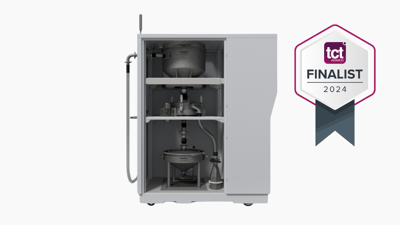
Recover, sieve, and return usable 3D-printing powder.