
Less mesh blinding
Help keep screen apertures available for separation.


We identify and recommend the right system based on your material, product quality targets, and throughput requirements.
Russell Finex systems support screening, grading, filtration, and liquid-solid separation across food, pharma, chemicals, coatings, metal powders, additive manufacturing, recycling, and industrial manufacturing applications.
High-capacity screening - Hygienic designs - Ultrasonic options - Self-cleaning filtration - Test before you invest
Keep the mesh working while it polices or grades your product.
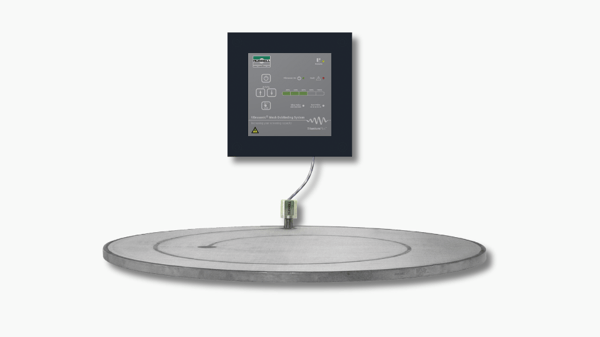
Is blocked mesh slowing the screening job you already need to do?
The Russell Vibrasonic® Deblinding System applies ultrasonic vibration to the sieve mesh to help prevent particles from blocking the openings. It can be assessed for new equipment and suitable existing vibrating sieves.
Typical application
Review a fine powder that blocks apertures and repeatedly stops production for cleaning.
Also known as: Vibrasonic mesh deblinding, ultrasonic sieving, ultrasonic screen deblinding.
Help keep screen apertures available for separation.
Assess difficult powders on finer mesh cuts.
Review a way to reduce repeated manual mesh cleaning.
A generator supplies high-frequency energy to the system.
The ultrasonic assembly transfers vibration to the screen.
Reduce particle build-up while the sieve performs the separation.
Share your sieve make and model, mesh opening, powder type, throughput, and photos of the blinding problem. Include photos or drawings when available.
No. It supports the mesh on suitable screening equipment. First define whether you need to police product quality or separate size cuts, then assess whether ultrasonic deblinding helps with the powder.
Ask RTS about testing with your material. Tell us what sample is available and how you will measure success, including capacity, quality, or recovery targets.
We will review the product conditions, equipment arrangement, utilities, cleaning method, and target result. Performance needs to be assessed against your actual feed and operating conditions.
View the manufacturer reference. Confirm final specifications and options with the quotation.
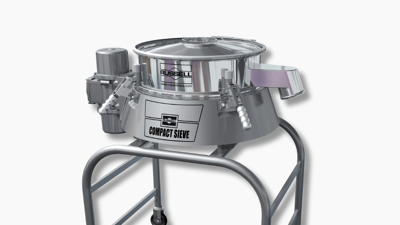
Police product quality by catching unwanted oversize.
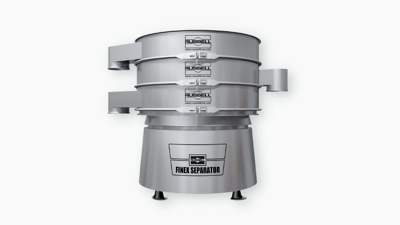
Separate material into the particle-size cuts you need.
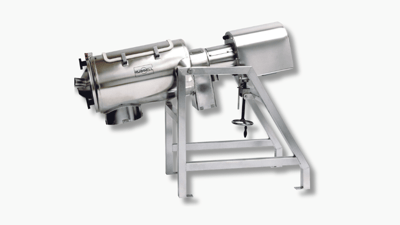
Separate or recover solids from a liquid stream.
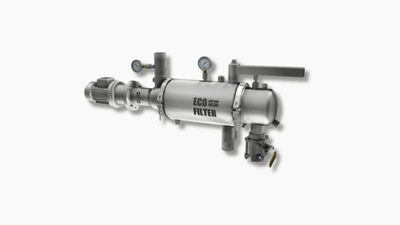
Police liquid quality without routine disposable filter-media changes.
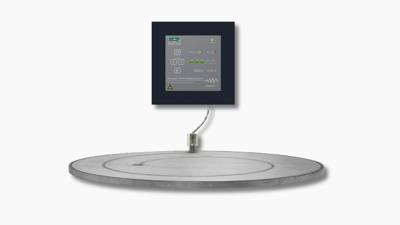
Keep the mesh working while it polices or grades your product.
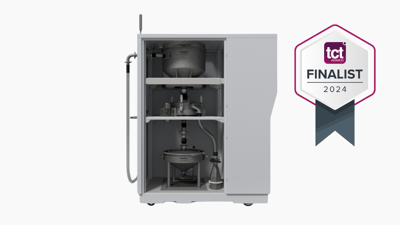
Recover, sieve, and return usable 3D-printing powder.