
Detectable disk compound
Ferrous oxide is incorporated into the grey disk material.

Improve Powder Discharge | Reduce Material Hang-Ups | Simplify Maintenance
Is material bridging over the outlet, forming a central flow channel, or clinging to the hopper walls? Rate Technology Systems helps review your material, vessel geometry and operating conditions to select an appropriate Solimar solution. Explore disk fluidizers, pneumatic air knockers, external installation kits, sanitary mounting options and aeration controls for dry bulk handling applications.
Get a Material RecommendationSolimar · Canadian application support from RTS
Use a detectable disk material where product-contact components are part of your inspection strategy.
Your job: promote flow while supporting contamination control.
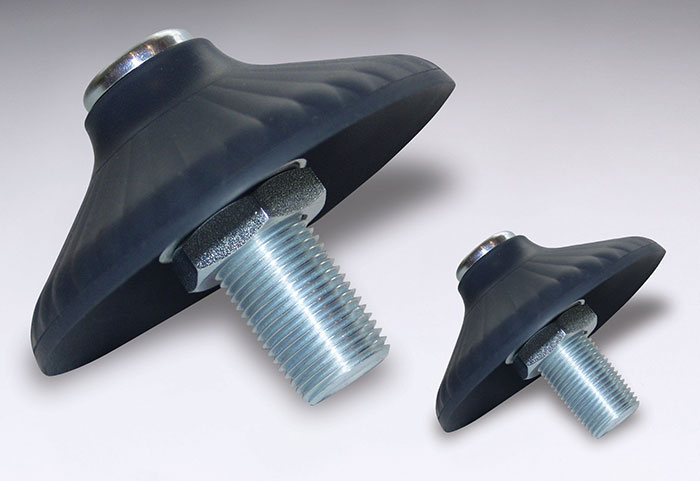
Solimar’s grey metal-detectable disks contain ferrous oxide and are offered for standard and Mini fluidizers. They serve contamination-sensitive food, dairy and pharmaceutical duties. RTS helps align disk choice with your downstream inspection and maintenance plan; detectability must be validated in the actual product and detector.
Example: Review aeration in a dairy-powder hopper where components must support the site’s foreign-material programme.
Also known as: Detectable aeration disks, metal-detectable aerators, magnetic fluidizer disks.
Ferrous oxide is incorporated into the grey disk material.
Match the disk format to the vessel geometry rather than selecting on colour alone.
Aeration supports discharge; the site’s detection and inspection programme remains a separate requirement.
Match the detectable disk to the hopper and material.
Use aeration to encourage product release.
Validate inspection performance and inspect components at the required intervals.
Discuss product-contact surfaces, inspection access and cleaning exposure.
Review flour or starch applications alongside downstream metal detection.
Confirm material compatibility and documentation required by the process owner.
Suitability depends on the specific material and installation. RTS reviews flow behaviour, geometry, operating conditions and the process requirements together.
This Solimar video explains the shared aeration principle. It does not demonstrate detection sensitivity or specifically test the grey metal-detectable disk.
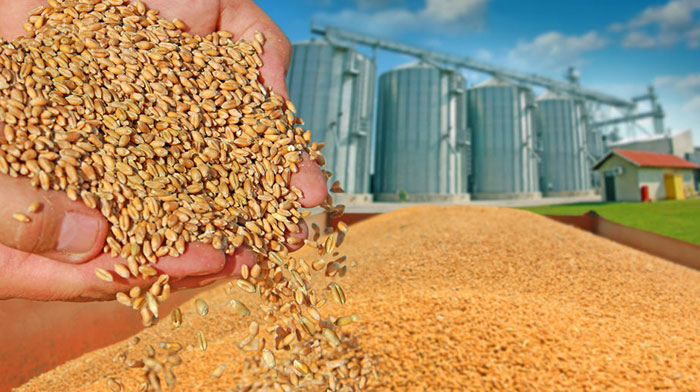
Start with the material and a hopper or vessel drawing. For metal-detectable silo fluidizers, RTS also needs to understand the specific duty: promote flow while supporting contamination control.
What detector is downstream, and how will this component be included in validation? What product, temperature and cleaning chemicals contact the disk?
Send photographs and dimensions of the existing mounting and nearby equipment. RTS will coordinate a fit review before a replacement or new mounting arrangement is proposed.
Use the model-specific instructions for installation and maintenance. RTS can help confirm the selected assembly against the current application.
Inspect and clean the fluidizer more easily
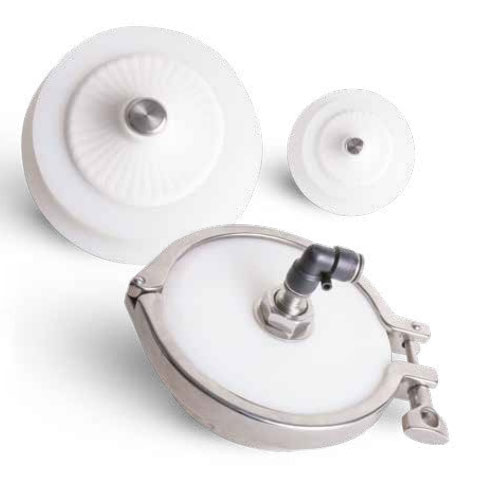
Use a removable sanitary mounting arrangement where regular product-contact inspection matters.
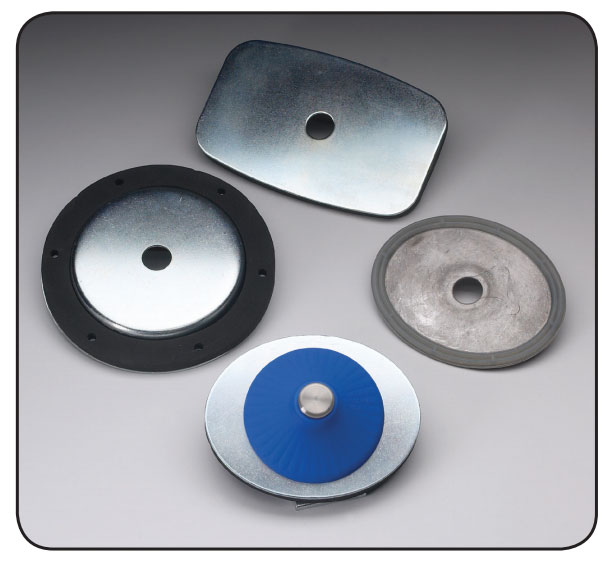
Upgrade existing air-pad openings
Retrofit compatible hopper openings with disk fluidizers that can be installed and serviced from outside.
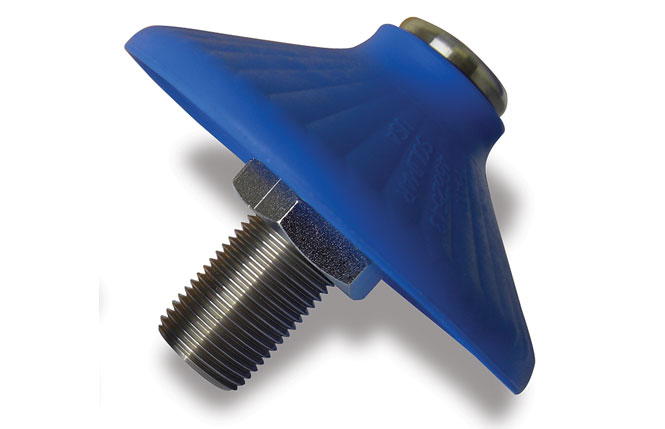
Keep dry powder moving toward the outlet
Aerate the material at the hopper wall to help reduce bridging, ratholing and retained product.
Send a photo or drawing and tell us what happens during discharge. RTS can help narrow the options and coordinate the application review with Solimar.