
Process buffering
Provide capacity between operations with different flow rates.


Improve Material Flow | Increase Reliability | Reduce Downtime
We help identify and implement the right KWS Manufacturing solution for bulk material conveying, screw feeding, bucket elevating, drag conveying, slide gates, live bottoms, hoppers, bins, and custom engineered material handling systems. From food ingredients and chemicals to cement, aggregates, agriculture, mining, wastewater, recycling, and other dry bulk materials, KWS equipment helps manufacturers improve material flow, increase production efficiency, and maximize process reliability.
Get a KWS Equipment RecommendationStore material and deliver it reliably to the next process.
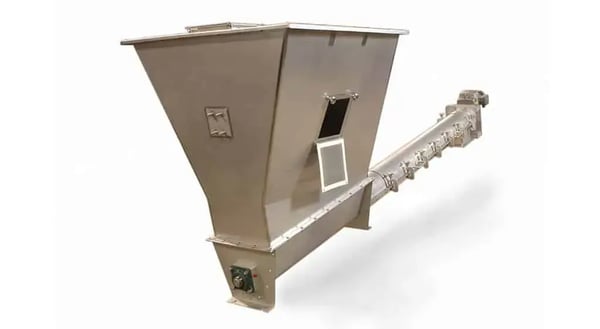
Do you need storage capacity, surge capacity, or a better discharge arrangement?
KWS designs hoppers, bins, and silos around the material and process. Storage volume, loading method, outlet geometry, and downstream withdrawal need to be reviewed as one arrangement.
Typical application
Buffer a variable incoming flow before a controlled-rate feeder.
Also known as: Surge bins, storage hoppers, day bins, bulk-storage silos.
Surge and storage duties in wastewater, cement, chemical, mining and aggregate plants. Hopper shape, wall geometry, outlet and discharge equipment must suit the material.
KWS explains controlled transfer versus withdrawal from a flood-loaded hopper. See why inlet conditions and screw design matter when selecting equipment.
KWS application example
Lightweight plastic fluff can bridge and compact during storage. In this KWS installation, the hopper and live-bottom feeder were designed together to support withdrawal across the discharge opening.


Application photos: KWS Manufacturing. Read the full KWS case study >>
Provide capacity between operations with different flow rates.
Review outlet geometry and withdrawal equipment together.
Coordinate loading, supports, access, and available space.
Define the loading device and incoming flow pattern.
Size usable capacity around the process requirement.
Match the outlet and extraction device to the material.
Share your usable capacity, material properties, loading method, footprint, and downstream discharge requirement. Include a drawing or photos when available.
Outlet size is only one factor. Material flow properties, wall geometry, storage conditions, and the feeder interface all need review before recommending a change.
Start with the material, operating conditions, capacity, installation dimensions, and the problem you want to solve. RTS will review the requirements with KWS and identify missing information before a final selection.
Send the equipment model or serial number, photos, drawings, and a description of the issue. We can discuss replacement equipment, parts, or an application review.
The feeder worksheet covers the discharge-feeder interface. Send your storage and structural requirements with it for the hopper or bin review.
Manufacturer resources support the review; final dimensions, materials, and options are confirmed with the quotation.
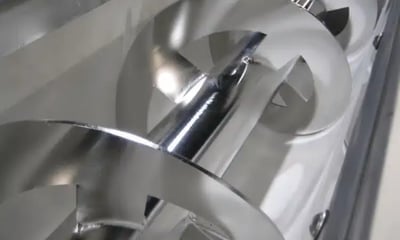
Move bulk material from one process to the next.
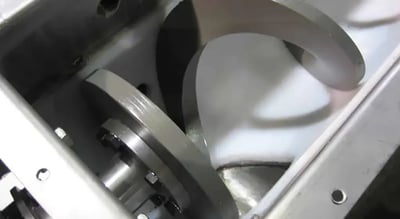
Convey sticky, wet, or difficult bulk material.
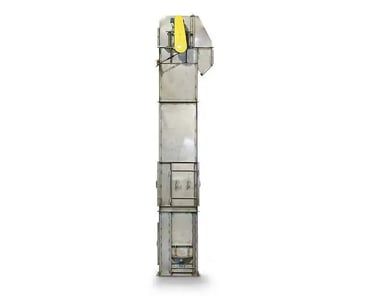
Lift bulk material to the next level of your process.
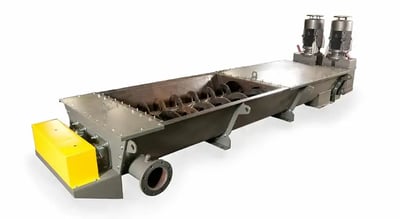
Control withdrawal and feed rate from a hopper, bin, or silo.
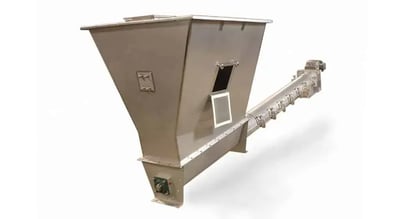
Store material and deliver it reliably to the next process.
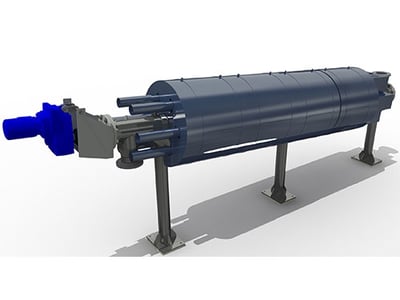
Heat or cool bulk material while conveying it.