
Heating or cooling
Define the required inlet and outlet temperatures.


Improve Material Flow | Increase Reliability | Reduce Downtime
We help identify and implement the right KWS Manufacturing solution for bulk material conveying, screw feeding, bucket elevating, drag conveying, slide gates, live bottoms, hoppers, bins, and custom engineered material handling systems. From food ingredients and chemicals to cement, aggregates, agriculture, mining, wastewater, recycling, and other dry bulk materials, KWS equipment helps manufacturers improve material flow, increase production efficiency, and maximize process reliability.
Get a KWS Equipment RecommendationHeat or cool bulk material while conveying it.
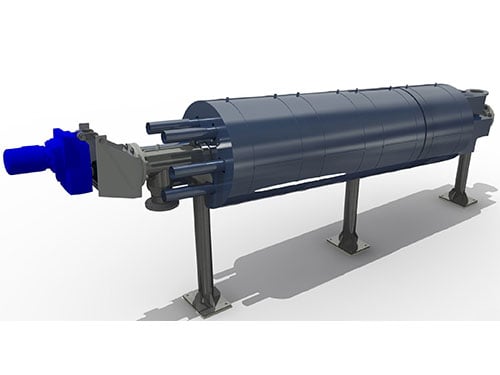
Do you need a defined product temperature at discharge?
KWS heat-transfer screw processors exchange heat indirectly through selected jacket, centre-pipe, or hollow-flight surfaces. The thermal medium stays separate from the bulk material while the screw conveys it.
Typical application
Cool hot bulk solids before downstream handling or storage.
Also known as: Heat-transfer screw processors, screw coolers, cooling screws, screw heat exchangers.
Cooling ash, char and dried biosolids, preheating powders, or maintaining product temperature. Indirect heat transfer keeps the thermal medium separate from the bulk material.
KWS application example
This KWS biomass project uses a thermal screw processor to remove heat from char after gasification. The case shows how thermal processing and conveying can be coordinated in one equipment train.


Application photos: KWS Manufacturing. Read the full KWS case study >>
Define the required inlet and outlet temperatures.
Convey material through the heat-transfer stage.
Match heat-transfer area and residence time to the duty.
Establish product flow, temperatures, and thermal properties.
Thermal fluid circulates through the selected heat-transfer surfaces.
Deliver material at the designed outlet condition.
Share your material, throughput, inlet/target temperatures, heat capacity, moisture, and available heating or cooling medium. Include a drawing or photos when available.
The conveying duty and heat balance must both be assessed. Send the thermal conditions as well as the capacity and layout so the available surface area and residence time can be reviewed.
Start with the material, operating conditions, capacity, installation dimensions, and the problem you want to solve. RTS will review the requirements with KWS and identify missing information before a final selection.
Send the equipment model or serial number, photos, drawings, and a description of the issue. We can discuss replacement equipment, parts, or an application review.
Manufacturer resources support the review; final dimensions, materials, and options are confirmed with the quotation.
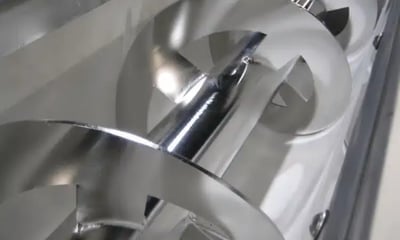
Move bulk material from one process to the next.
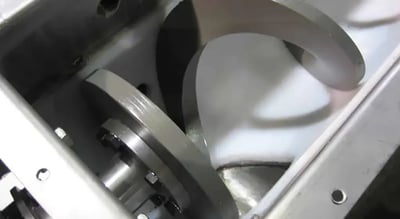
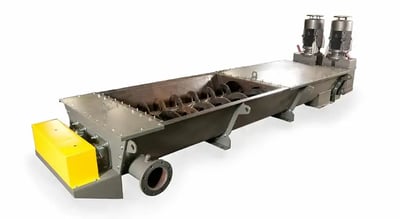
Convey sticky, wet, or difficult bulk material.
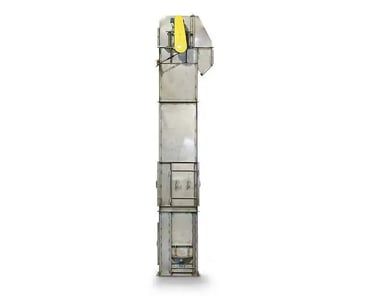
Lift bulk material to the next level of your process.
Control withdrawal and feed rate from a hopper, bin, or silo.
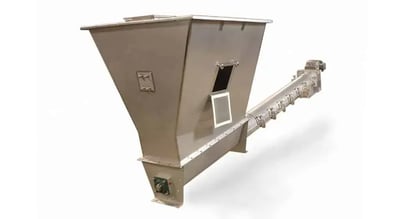
Store material and deliver it reliably to the next process.
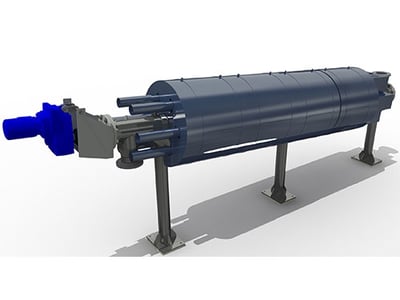
Heat or cool bulk material while conveying it.