IMG_3012_RN6_peanutbutter_E15_title-1
UWT Level Measurement

Prevent overfills. Avoid empty hoppers. Know what’s in your vessel.  Protect Downstream Equipment

Tell us your material, vessel and measurement goal. RTS will help identify a suitable UWT solution for your application.

Or email RTS my application details

Canadian application support Work directly with Rate Technology Systems
Point and continuous level High, low, demand and inventory measurement
Practical sensor selection Based on your material, vessel and process
Start with the measurement goal

What does your process need to know?

Choose the issue that is closest to your application. RTS can then review the material, vessel, mounting position and required signal.

1

Prevent an overfill

Detect a selected high-level point before pneumatic filling or another transfer operation creates a spill or interruption.

Review my overfill application
2

Know when a hopper is running low

Give operators time to refill, change supply or protect downstream equipment before material runs out.

Review my low-level application
3

Monitor inventory continuously

Improve visibility into silo, bin or tank contents for purchasing, scheduling and production planning.

Review my inventory application
Application review

Get a practical UWT sensor recommendation

Tell us what you are measuring and what you need the level sensor to do. We will help identify a suitable starting point.

  • Material and bulk properties
  • Vessel type, dimensions and mounting location
  • High level, low level or continuous measurement
  • Process conditions and required output

Prefer email? Send RTS your application details.

No obligation. Your application will be reviewed and you can expect practical next steps within one business day.

Popular UWT solutions

Three useful starting points for bulk-material applications

The correct sensor depends on the material, vessel geometry, process conditions, mounting position and control objective.

UWT Rotonivo rotary paddle level switch
Rotary paddle point level

Rotonivo

A practical point-level option for suitable powders, pellets and granules in silos, bins and hoppers.

  • High-level or low-level detection
  • Multiple configurations and mounting options
  • Useful across many dry bulk applications
UWT RFnivo RF capacitance point level sensor
RF capacitance point level

RFnivo

A point-level option for suitable solids and liquids, including applications where material may adhere to the probe.

  • High-level or low-level detection
  • Automatic calibration on the RF 3100
  • Active Shield technology for buildup conditions
Application experience

See how the measurement goal changes the solution

These examples help visitors connect the sensor technology to a recognizable plant problem.

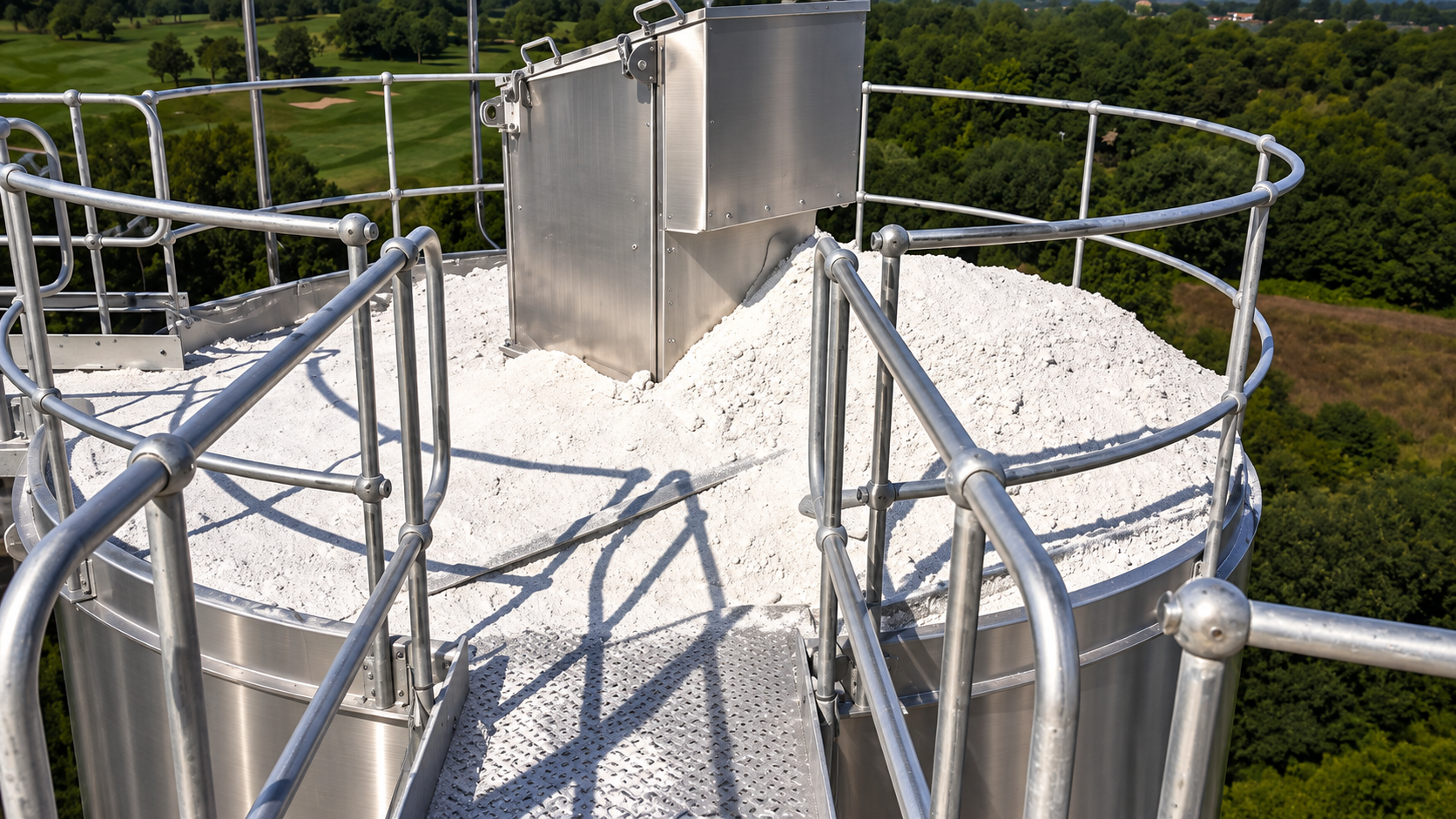
High-level overfill protection application on a storage silo
High-level protection

Preventing a silo overfill

Review the material, fill method, mounting location and required alarm point before selecting the sensor.

View the application example
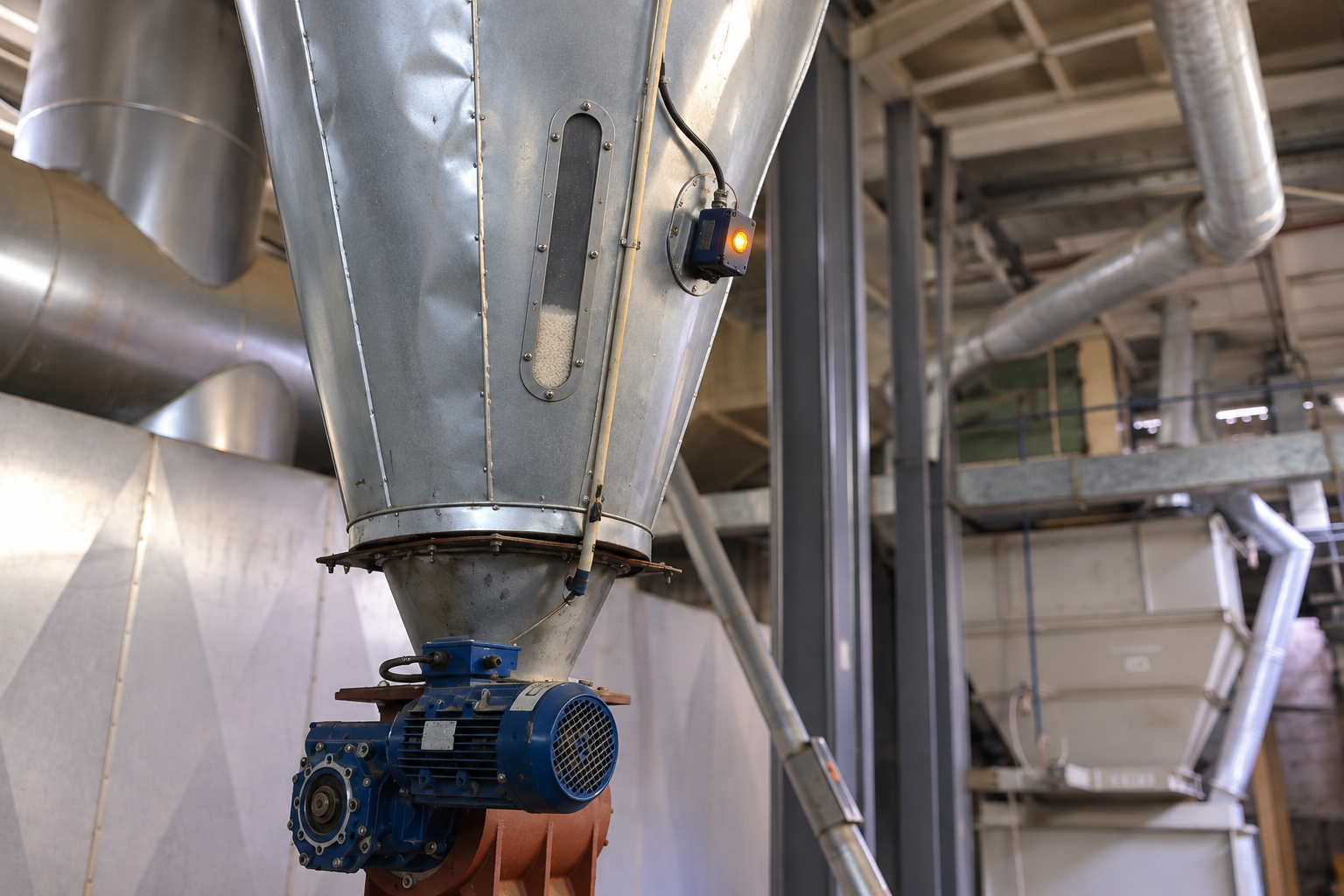
Low-level detection application on an industrial hopper
Low-level warning

Giving production time to respond

Material flow rate, refill time and outlet location help determine where a useful low-level warning point should be placed.

View the application example

Companies and processors supported by Rate Technology Systems

Pepsi Lafarge Canada Siemens Nestlé
Core applications

Built for the materials North American processors handle every day

UWT technologies can support a wide range of powders, pellets, granules, liquids and other process materials.

Cement & Building Materials Cement, aggregates, gypsum, powders and abrasive bulk solids.
Animal Feed & Pet Food Meal, pellets, grains, additives and ingredient bins.
Food & Beverage Ingredients, powders, liquids, process tanks and storage vessels.
Dairy Milk powder, ingredients, liquids and processing vessels.
Grain, Flour, Sugar & Salt Silos, day bins, hoppers and ingredient storage.
Wood Products Sawdust, chips, shavings, biomass and storage bins.
Plastics & Resins Pellets, flakes, resin silos, receivers and day bins.
Chemicals Powders, granules, additives, liquids and specialty materials.

How the review works

Sensor selection starts with the application

A recommendation is developed by reviewing four connected parts of the process.

1. Material Bulk density, dielectric value, buildup, dust, moisture, temperature and flowability.
2. Vessel Dimensions, geometry, nozzle, access, obstructions and mounting position.
3. Measurement goal High level, low level, demand, continuous inventory or interface measurement.
4. Controls Relay, analog signal, alarm, automation and remote monitoring requirements.

Additional UWT measurement technologies

Talk through the application

Not sure which UWT sensor fits?

Send the material, vessel type, dimensions, mounting location and measurement goal. RTS will help you identify a practical next step.

MANUFACTURING MATTERS-1