
Send the label code or part number and the quantity you need.

BFM® Flexible Connectors and Spigots
Replace clamp-style sleeves, quote a BFM® spare, or specify a flexible connection for your next installation.
Request a QuoteAre you replacing a connector or planning a new installation?
Start with the job you need to do. For a like-for-like replacement, a part number and quantity can be enough to start.
Send a photo and available dimensions so RTS can review how the spigots and connector will fit.
Choose your application, then review movement, fit-up and process conditions.
How a BFM® connection fits together
A typical BFM® system uses a flexible snap-in connector and two spigots. The connector bands seat inside the spigots, allowing the sleeve to be removed and refitted for changeovers or cleaning.
RTS can help review the connector material, spigot fit, installation gap and any movement between the equipment. Send us the process conditions if the connection sees pressure, vacuum, temperature changes or washdown.
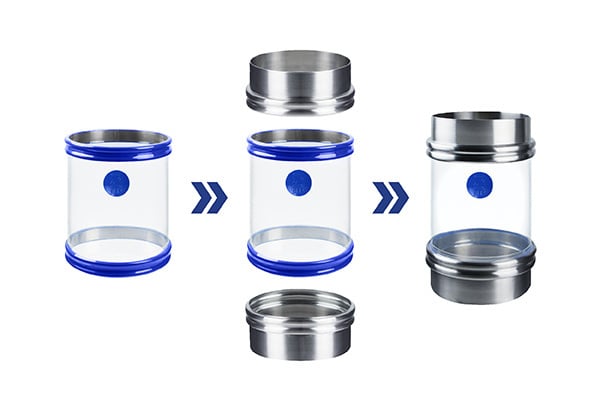
Still using hose-clamp connections?
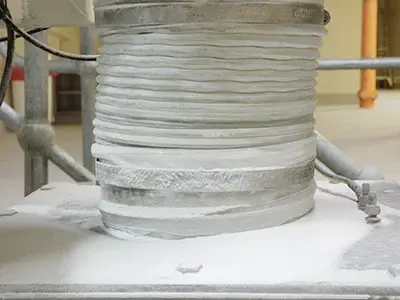
Leaking product
Powder escaping at the connection means product loss and extra cleanup.
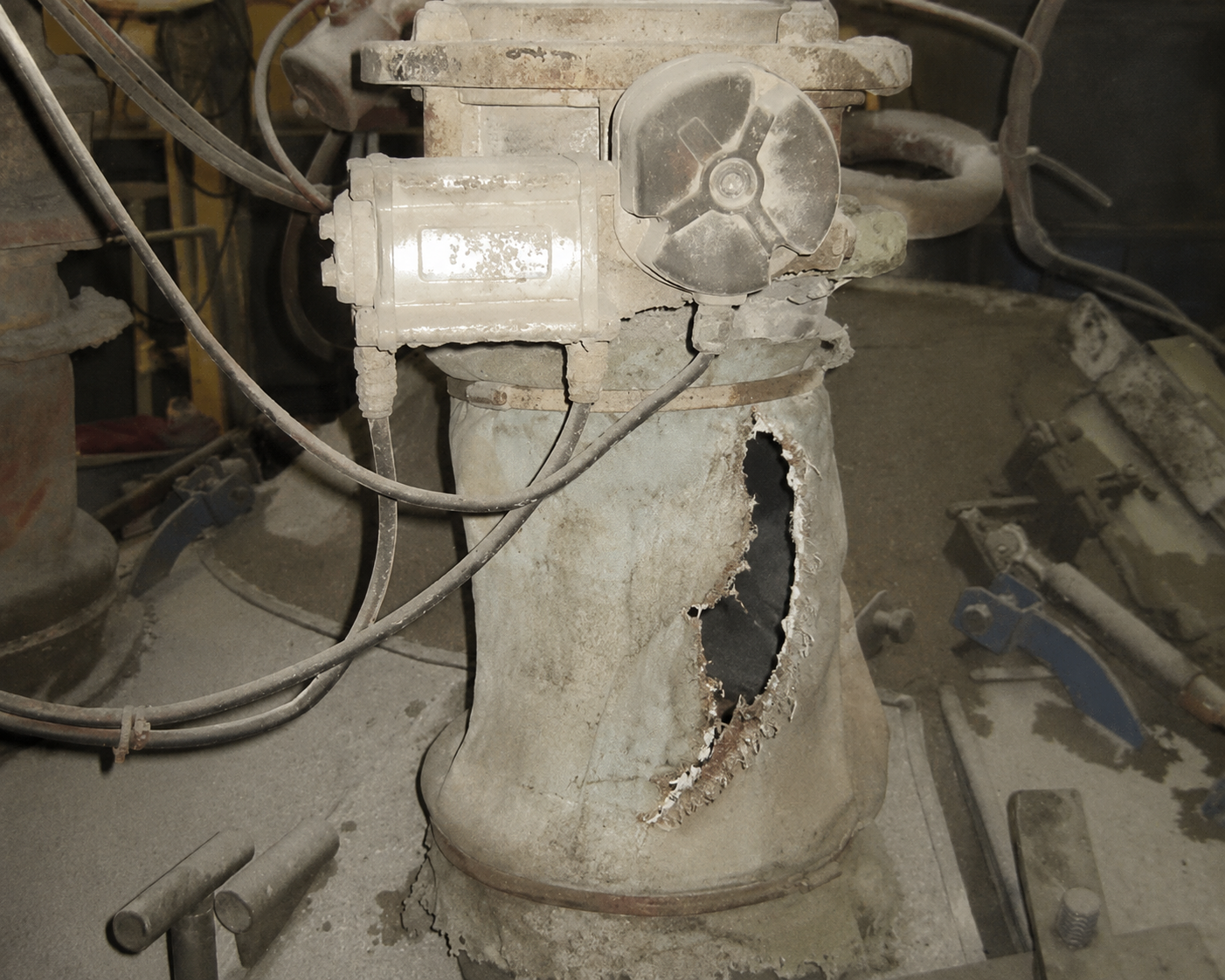
Frequent sleeve replacement
Repeated wear or tears point to a fit-up or operating condition worth checking.

Slow changeovers
Look at how operators remove, clean and refit the connector between runs.
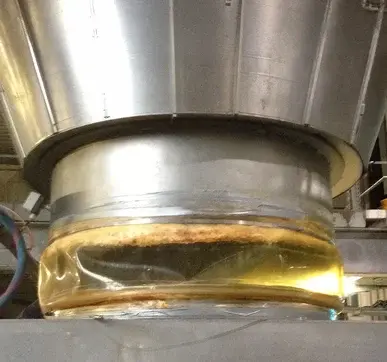
Product buildup
Check where material collects around the connection and how the area is cleaned.
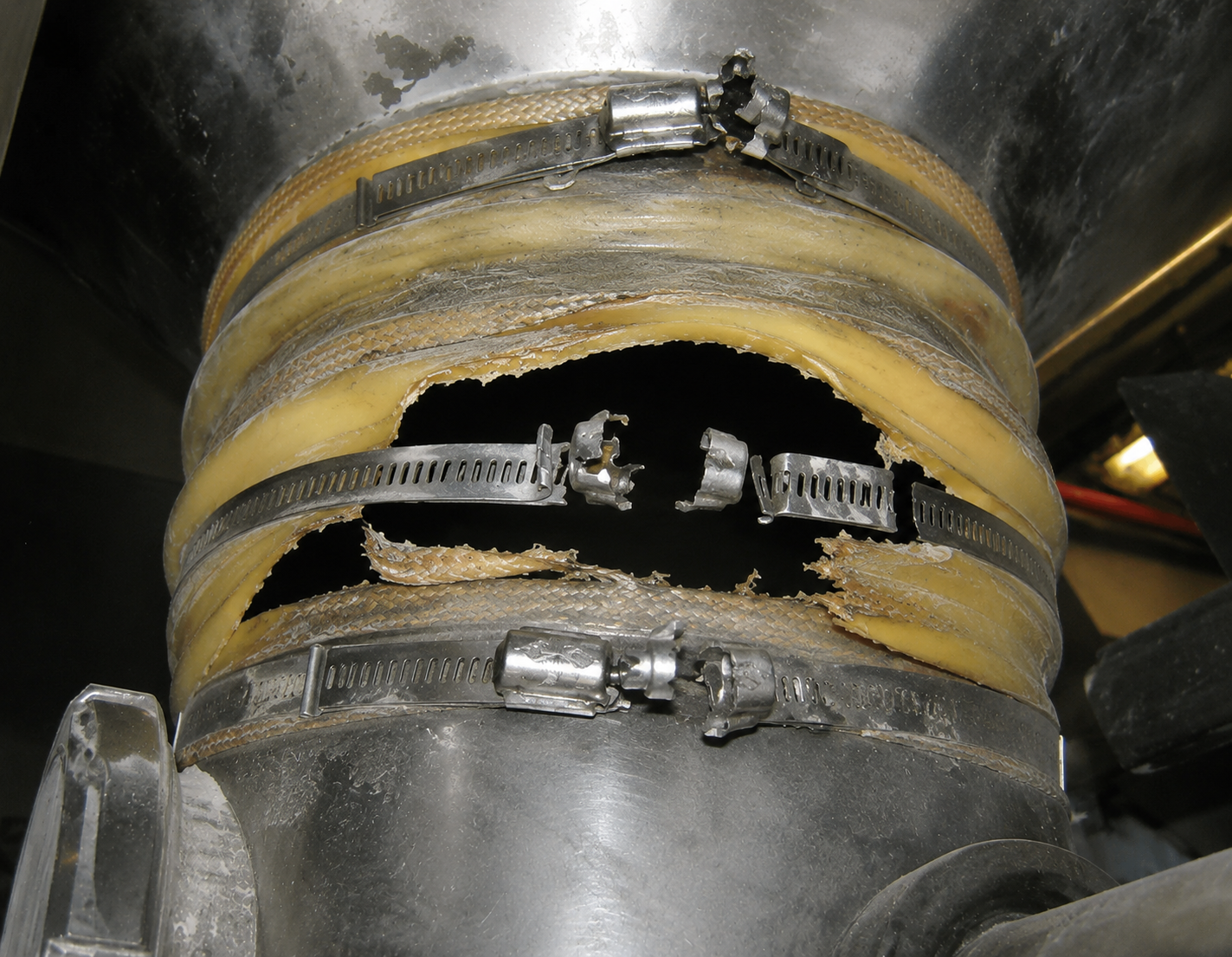
Clamp failures
Share operating pressure or vacuum and any surges so RTS can review the application.
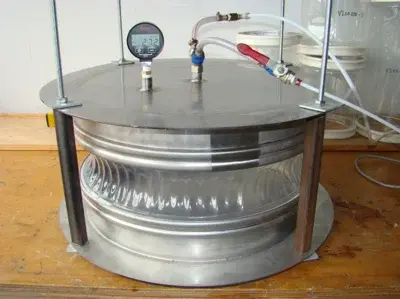
Too many spares
Review diameters and gaps across your equipment before standardizing spare connectors.
Compare the two connections
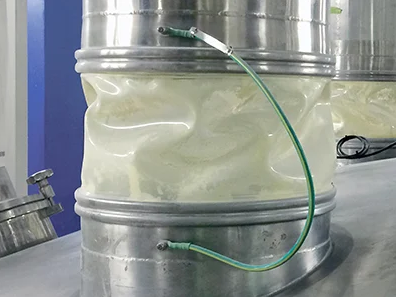
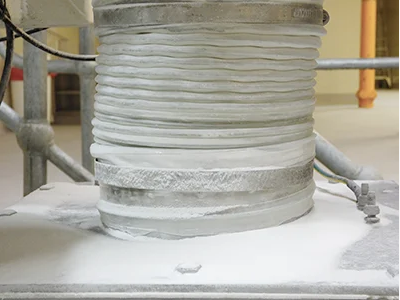
Move the slider to compare the existing clamp-style connection with the BFM® setup.
Explore the BFM® product range
Start with the application. Open a product for details or expand a group to see related fittings and accessories.
Flexible transfer, weighing and fillingBreathable and venting connectorsSpecialty and high-temperature connectorsSpigots and installationSafety, monitoring and covers
Flexible transfer, weighing and filling

Seeflex 040E for sifters
Review a clear flexible connection for vibrating or oscillating screening equipment.
Also known as: Flexible sifter sleeves, screen discharge boots.

Vacuum conveying connectors
Review vacuum conditions and whether the connector needs support rings.
Also known as: Vacuum transfer sleeves, suction conveying connectors.

Positive-pressure conveying connectors
Discuss operating pressure, surges and the connector configuration.
Also known as: Pressure-rated transfer sleeves, pressurized pneumatic conveying connectors.

Flexi-Light for filling
Review a flexible connection around a filling station or packaging line.
Also known as: Lightweight spring sleeves, coil-reinforced filling connectors.

Quick access port
Access a transfer point, such as a gravity-fed metal detector connection.
Also known as: Sampling port, metal detector test-ball port.

Tapered connectors
Connect transfer points with different diameters.
Also known as: Flexible reducers, tapered transition sleeves.

Seeflex 020E for weigh scales
Review a lighter flexible connection at a weighing point.
Also known as: Lightweight weigh-scale sleeves, flexible weighing connectors.

Weighing bellows
Review the connection at a weigh hopper and how it interacts with the load cells.
Also known as: Weigh hopper bellows, load-cell scale bellows.

Bulk bag loader
Review the connection at the filling head and bulk bag spout.
Also known as: Inflatable bulk bag loading head, FIBC filling spout.
Breathable and venting connectors

Venting surge hopper connector
Review a surge-hopper connection where displaced air needs a route out.
Also known as: Flexible surge hopper, vented surge hopper sleeve.

FM1 breather bags
Review a breather for an enclosed vessel or surge hopper.
Also known as: Hopper vent bags, vessel breather socks.

Breathable connectors
Explore permeable fabrics for process venting.
Also known as: Permeable transfer sleeves, woven venting connectors.
Specialty and high-temperature connectors

Seeflex 040AS
Review antistatic connector options for the application.
Also known as: Antistatic polyurethane sleeves, antistatic flexible connectors.

Look-through blanking caps
Close an unused connection while retaining visual access.
Also known as: Clear end caps, viewing caps.

Corner connectors
Review a connector around a corner or washing arrangement.
Also known as: Flexible corner sleeves, CIP wash-return connectors.

Teflex NP Opaque
Review this material when elevated process temperature is a concern.
Also known as: Opaque PTFE sleeves, high-temperature PTFE connectors.

Teflex Woven
Review a woven PTFE option against the material and process conditions.
Also known as: Woven PTFE sleeves, woven PTFE connectors.

Teflex NP Black
Review antistatic and high-temperature requirements together.
Also known as: Black PTFE sleeves, static-dissipative PTFE connectors.

Blanking socks and bins
Collect sifter overs or close off a discharge point.
Also known as: Sifter overs collection socks, screener reject bins.
Spigots and installation

Standard weld spigots
Review pipe fit, material, and available space for installation.
Also known as: Weld-on spigots, weld-in pipe adapters.

Lipped spigots
Review a lipped spigot for a tri-clamp connection.
Also known as: Clamp-on spigots, sanitary clamp adapters.

Surge hopper spigots
Select the spigot to suit the venting hopper arrangement.
Also known as: Venting hopper spigots, surge hopper adapters.
Safety, monitoring and covers

Tool-release connectors
Review options where controlled connector removal is required.
Also known as: TR connectors, tool-removable snap-fit sleeves.

Lockout systems
Discuss access control at the connection as part of the site procedure.
Also known as: Tool Release lockouts, padlockable connector locks.

Pneumatic monitoring systems
Review monitoring where the connection must be confirmed as part of the operating sequence.
Also known as: Connector presence monitoring, connector removal detection.
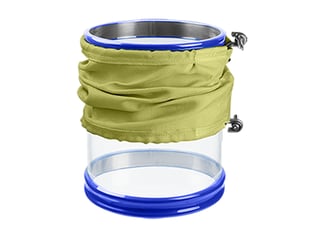
Kevlar covers
Review protective covers against the application and site requirements.
Also known as: Aramid protective sleeves, flame-retardant connector covers.
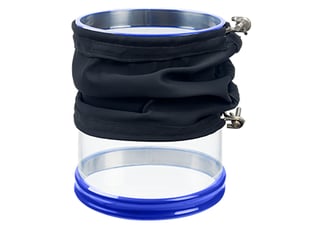
Blackout covers
Limit light exposure around a light-sensitive process.
Also known as: Light-blocking connector covers, opaque outer sleeves.
Where does the connection sit in your process?
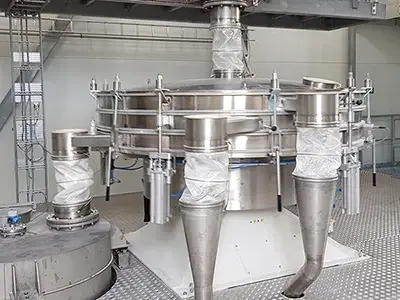
Review motion between the sifter and adjoining equipment.

Review access and cleanability at a gravity-fed metal detector.
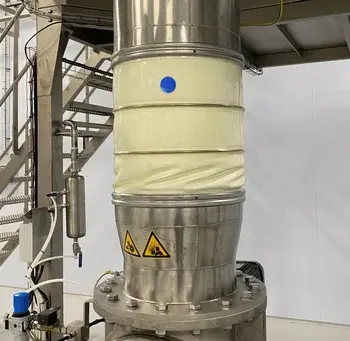
Share normal and peak pressures, plus the operating cycle.
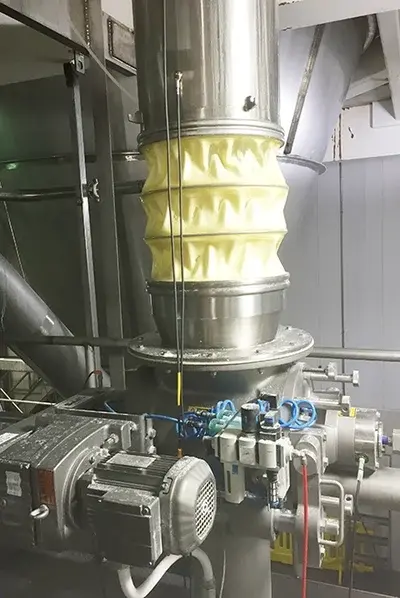
Review vacuum conditions and any need for connector support.
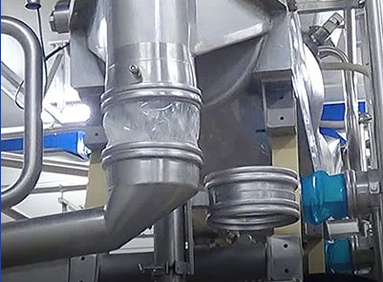
Share how you clean the line, including chemicals and temperatures if known.
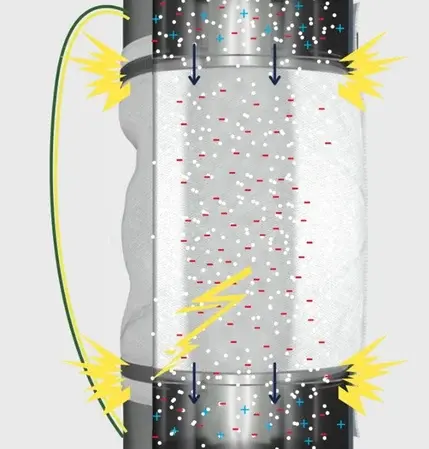
Identify the material and any site requirements for static control.
See BFM® fittings in action
How to snap in a BFM® connector
See how the connector is fitted and removed from the spigots.
Measuring for the right connector
See the measurements to gather before selecting a connector or checking fit-up.
See where plants have used BFM® fittings
Flour milling
Read how Bob’s Red Mill evaluated snap-fit connectors on its flour-milling equipment and what changed for the maintenance team.
Read the flour mill case studyBattery materials processing
See how an ultrasonic sifter and electronic magnet filter were retrofitted to make connector removal and refitting easier during cleaning.
Read the battery materials case studyNeed to check your installation gap?
Use the BFM® calculator to check the space between the spigots for your connector and installation type. Already have measurements or photos? Send them to RTS for review.
Literature and installation resources
BFM® full-line brochure
Browse the connector materials, spigots, accessories and typical applications in the RTS co-branded literature.
Download BFM brochure PDFInstallation Gap Calculator guide
See which dimensions to record and how to enter the installation type and movement in the calculator.
Download calculator guide PDFWhat information should I send RTS?
I know the BFM part number. What do you need?
Send the label code or part number, quantity and timing. A photo of the label helps if the code is hard to read.
I’m replacing a clamp-style sleeve. What should I measure?
Share the pipe diameter at each end, whether you measured inside or outside diameter, the space available and any movement. Include a photo of the existing connection if possible.
Can I send an inquiry with incomplete dimensions?
Yes. Tell us where the fitting sits, what you’re processing and what needs to change. Include pressure, vacuum, temperature or cleaning conditions if you know them.
How do I send photos or drawings?
Email them to sales@ratetechnology.com and include the RFQ reference if you have one.
READY TO DISCUSS YOUR APPLICATION?
Let’s find the right BFM® fitting for your process
Use the guided online RFQ to tell us what you’re connecting or replacing.
You can attach photos on the final step or email them to sales@ratetechnology.com.
RATE TECHNOLOGY SYSTEMS
BFM® Quote Request
Tell RTS what you’re connecting or replacing. Fill in the details you know.