
Match the feed device, scales and controller to your bag weight, fill tolerance and required cycle time.

Bulk Bag Fillers for Powders & Bulk Solids
Fill bulk bags to the required weight with a system built around your material, bag size and production rate. Review Flexicon filling, densification and pallet-handling options with RTS.
Request a QuoteWhat does your bag-filling process need to achieve?
Seal the bag inlet spout and provide a controlled path for displaced air as material enters the bag.
Review pre-inflation, densification, loop release and the pallet or conveyor arrangement for the next stage.
How a bulk bag filler works
An empty bag is attached to the fill head, its inlet spout is sealed where the bag design permits, and product enters from a hopper, valve or conveyor. A weighing system can stop the feed at the selected weight. The filled bag is then disconnected and removed on its pallet or through the handling line.
Bag attachment, feeding, weighing, air displacement and removal all affect the cycle. Optional pre-inflation shapes the empty bag; a selected densification system helps settle material during filling. Review these functions together rather than sizing from feed rate alone.
Also known as: Bulk bag filling stations, FIBC fillers, big bag fillers, jumbo bag fillers and super sack filling systems.
Choose the filler around bag changes and production needs
The current Flexicon range includes BFS - SWING-DOWN®, BFR - REAR-POST and BFB - BASIC designs. Published TWIN-CENTERPOST™ configurations also provide options for accessible bag attachment, sanitary service and pallet-jack removal. Compare the detailed construction and automation scope in the quotation.
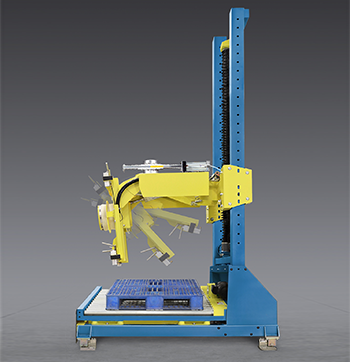
BFS - SWING-DOWN® Filler
The fill head lowers and pivots toward the operator for bag connections at floor level. Review it where operator reach and repeated bag changes are important, including pallet-conveyor installations.
Application idea: Frequent bag changes with accessible loop and spout attachment.
Also known as: Pivot-down bulk bag filling station.
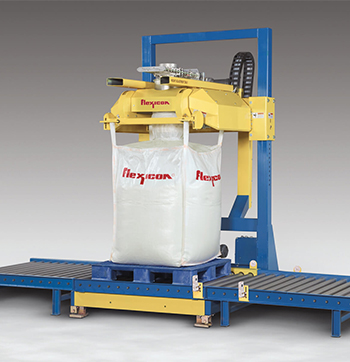
BFR - REAR-POST Filler
A cantilevered fill head provides access around the bag and can be integrated with roller conveyors and pallet handling. Select the weighing, adjustment and feed arrangement around the required duty.
Application idea: A fixed filling station forming part of a production line.
Also known as: Cantilevered bulk bag filler.
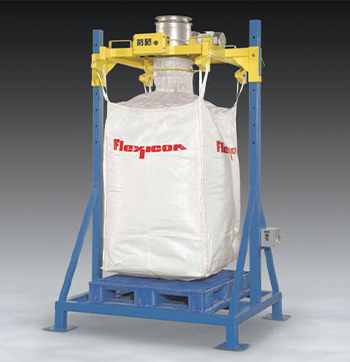
BFB - BASIC Filler
A practical starting point where automatic pallet dispensing and roll-through handling are not required. Confirm the included fill-head, bag-support and weighing components for the selected model.
Application idea: Lower-volume filling with manual pallet placement and removal.
Also known as: Basic bag-filling station, stand-alone FIBC filler.
Build the fill head and bag preparation around the material
Specify the required functions rather than assuming every filler includes the same package. Bag construction, dust characteristics and the selected model determine which components are suitable.

Inflatable bag-spout seal
An inflatable collar grips a compatible bag inlet spout and closes the dust escape path at that connection. Specify spout diameter, liner details and product compatibility.
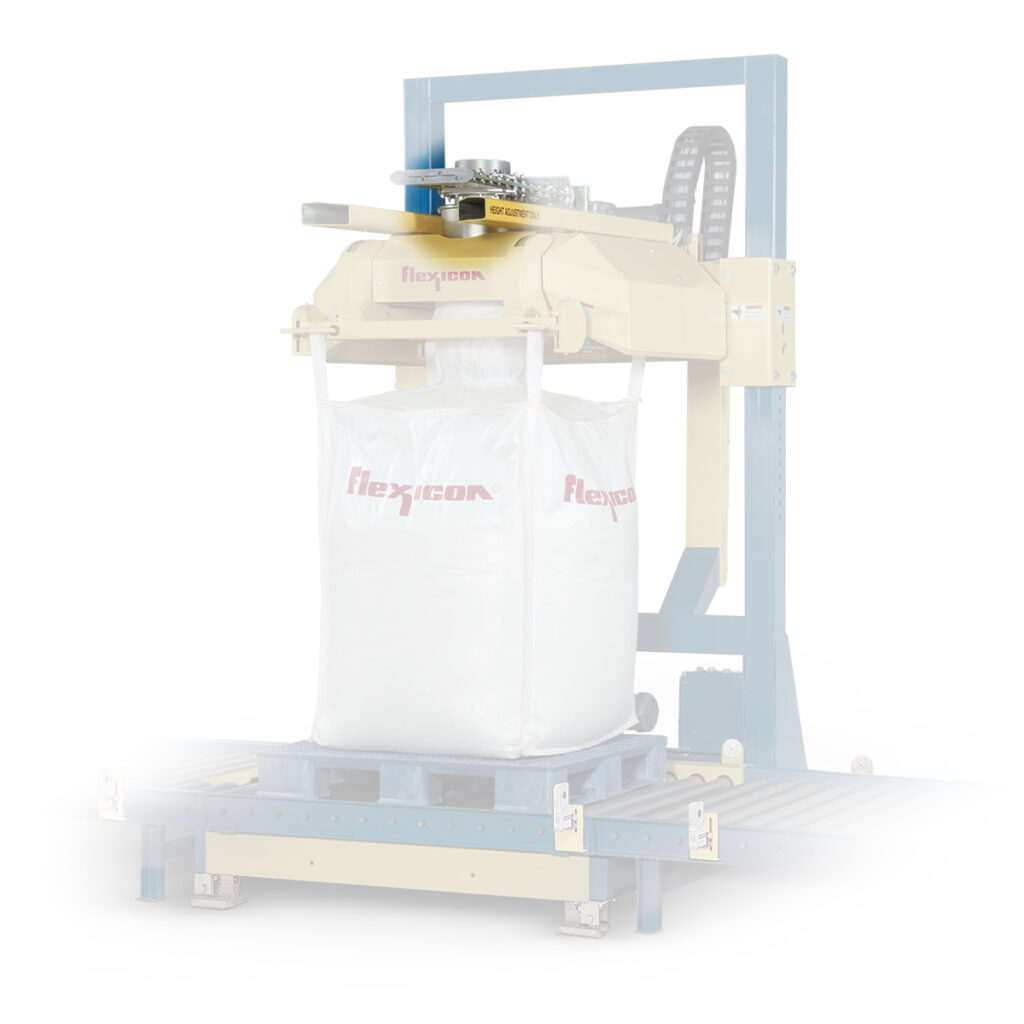
Air-displacement outlet
Air must leave the bag as material enters. Connect the vent to a suitable filter or extraction system, sized for the fill rate and any air introduced with the product.
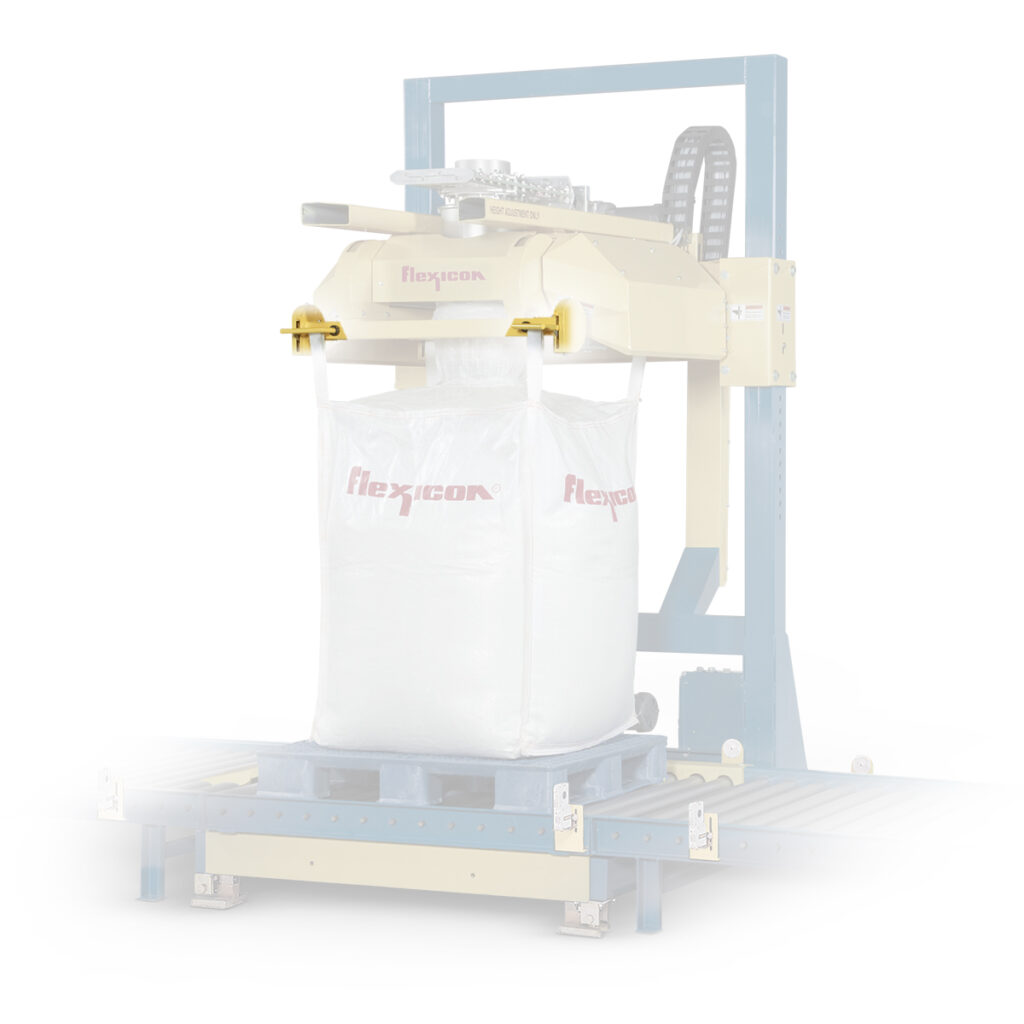
Bag hooks and loop release
Hooks support and position the bag loops during filling. Select access and release functions to suit the bag construction and the method of removing the completed load.

Bag pre-inflation
An optional inflator opens the empty bag before material enters. Removing folds helps product reach the bag corners; confirm suitability for the liner and material.
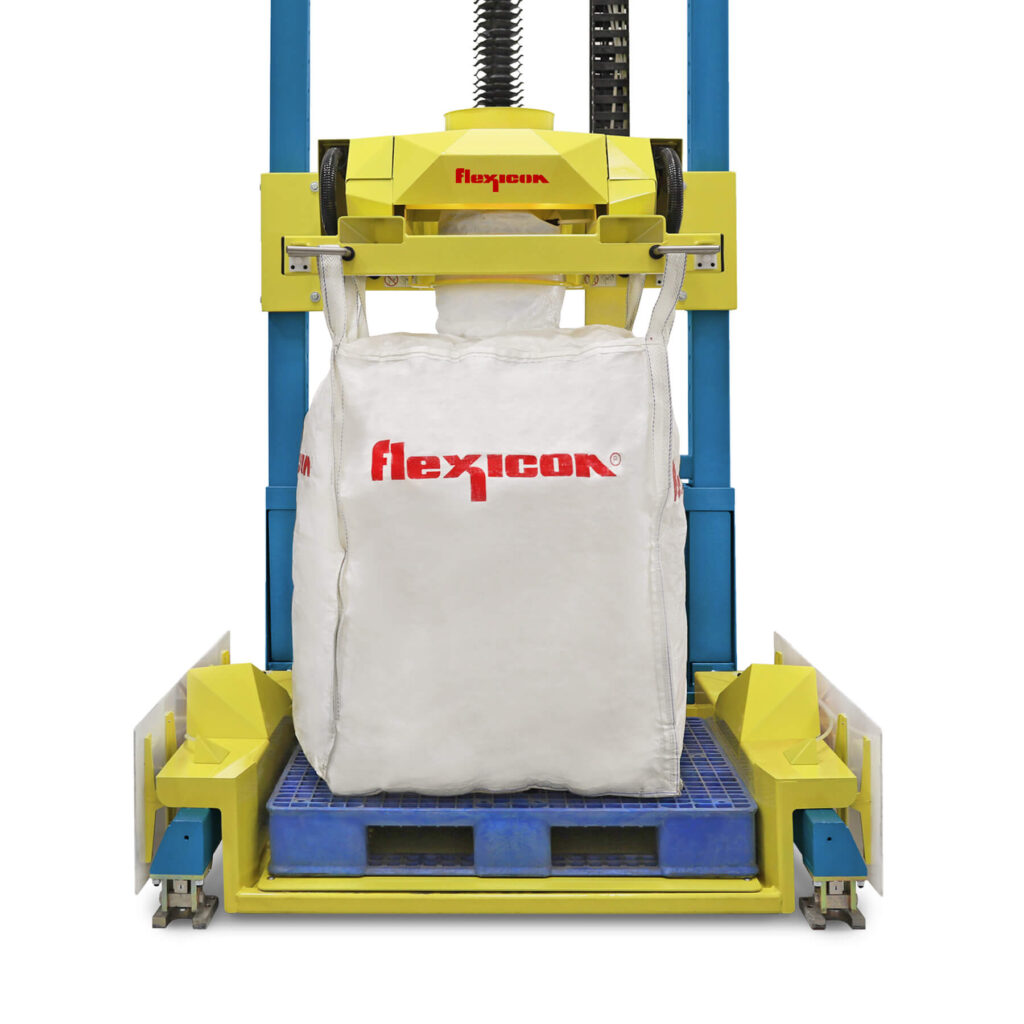
Densification and deaeration
A selected vibratory deck settles material and can improve use of bag volume and package shape. Coordinate vibration with weighing, material behaviour and the bag rating.

Fill-head height adjustment
Height adjustment accommodates different bags and connection positions. Compare manual, forklift-assisted or powered adjustment for the selected filler and changeover frequency.
Select the weighing and feed-control arrangement
A load-cell specification alone does not define achievable fill accuracy. Review the complete feeder, scale, controller and mechanical arrangement with the actual product.
| Approach | How it works | What to confirm |
|---|---|---|
| Direct bag weighing | Load cells measure weight gain at the filler while the feed device adds product. | Review bag tare, feed cutoff, product in flight, vibration isolation and the available feed-rate control. |
| Pre-weigh hopper | Material is weighed above the filler before it is released into the next bag. | Review total height, hopper refill time, discharge behaviour and how bag changes overlap with weighing. |
| Fast fill and dribble feed | The controller reduces the feed rate as the target weight approaches. | Specify the tolerance and units, material behaviour, feed device response and production rate. |
Plan the complete filling cycle
1. Position and connect
Place the pallet and empty bag, secure the loops and connect the inlet spout where applicable. Check that the operator can reach the attachment points.
2. Fill, vent and weigh
Prepare the bag, start the feed and provide the required air-displacement path. Coordinate settling, weighing and the change from high feed to final cutoff.
3. Release and remove
Close the material feed, release the spout and loops, then remove the filled bag. Include pallet placement and bag tie-off in the total production cycle.
Configurations selected around the job
These manufacturer examples show ways to adapt bag filling to the plant. Their equipment packages, materials and performance are specific to each design.
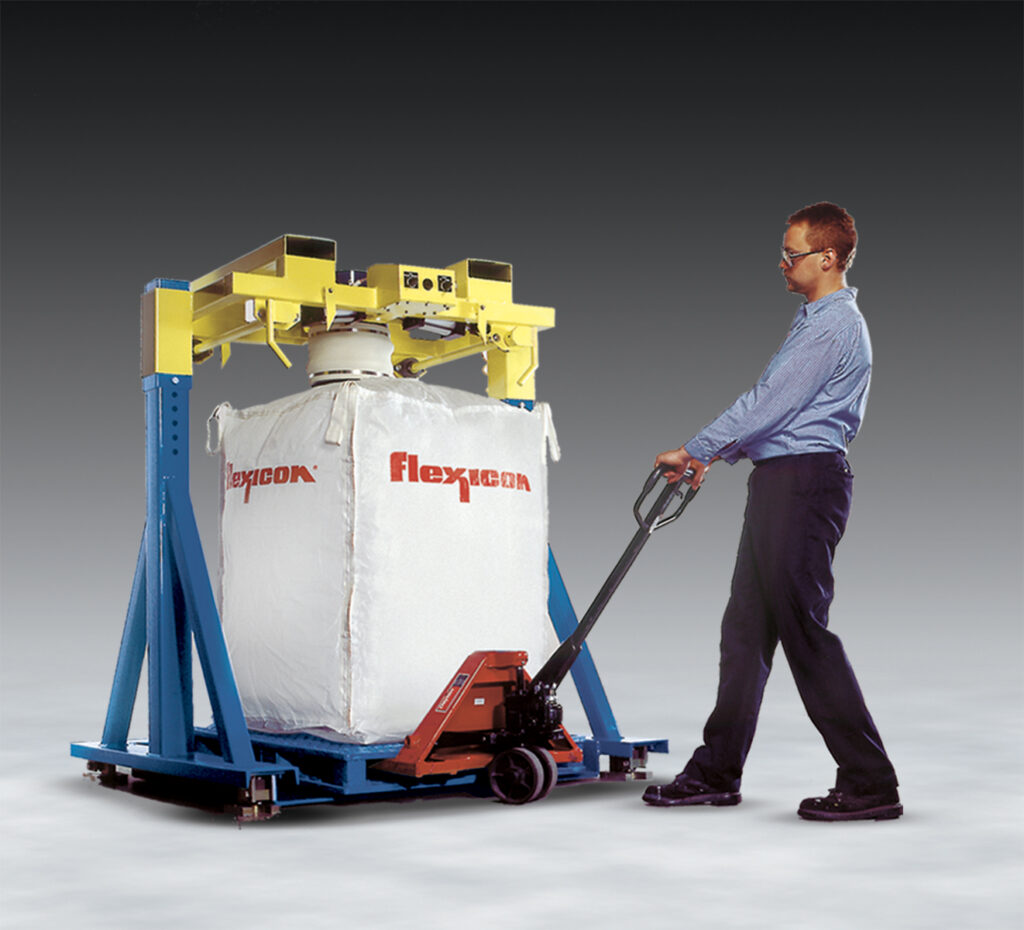
Low-profile pallet-jack access
A low-profile base allows suitable palletized loads to be removed with a pallet jack. Check pallet openings, deck height, approach clearance and the finished load.
Application idea: Fill bags where forklift access is limited.
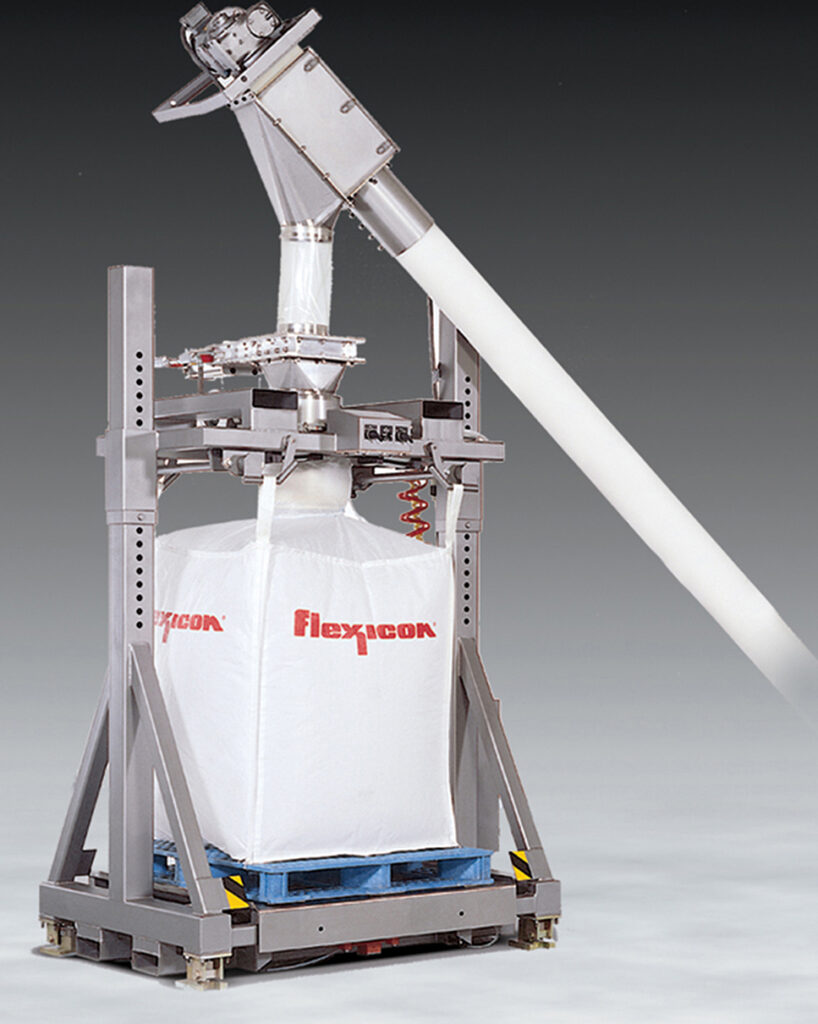
Sanitary and dairy construction
The published USDA Dairy accepted example uses stainless construction and specified product-contact finishes. Review cleaning access, contact parts and current project documentation.
Application idea: Package dairy ingredients with a defined sanitary specification.
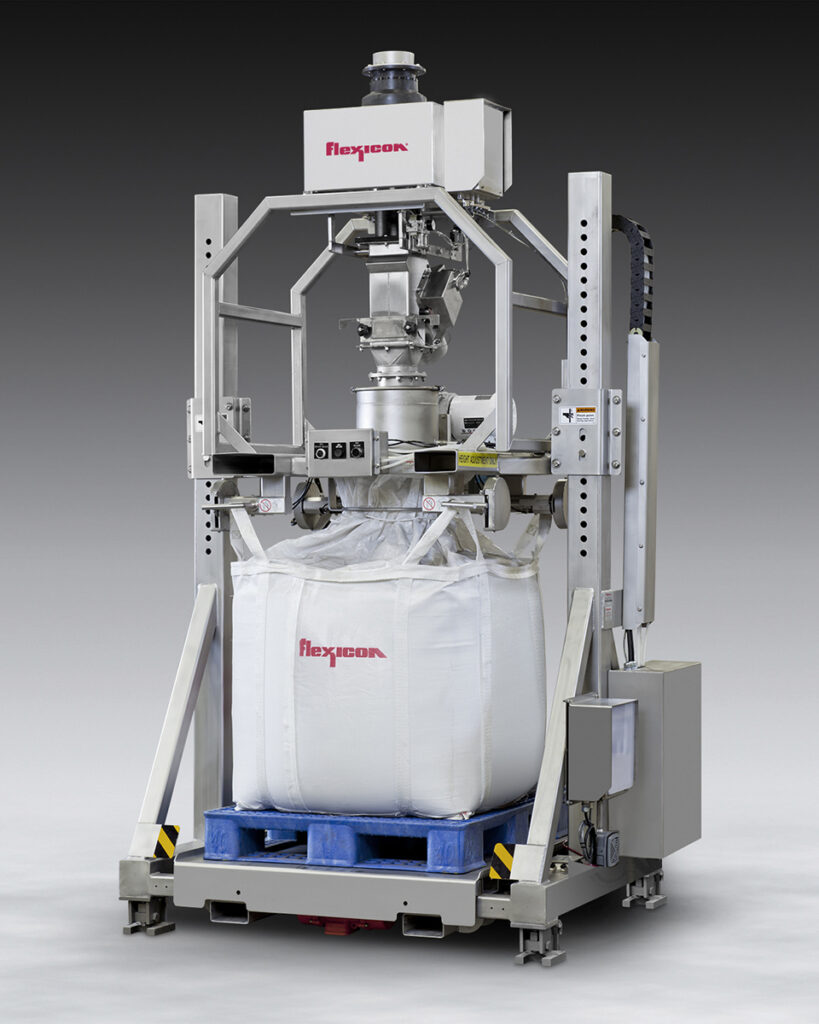
Integrated metal detection
The illustrated sanitary filler detects and diverts metal from a free-falling product stream before filling the bag. Match the detector and rejection arrangement to product and sensitivity requirements.
Application idea: Add a final metal check before bulk-bag dispatch.
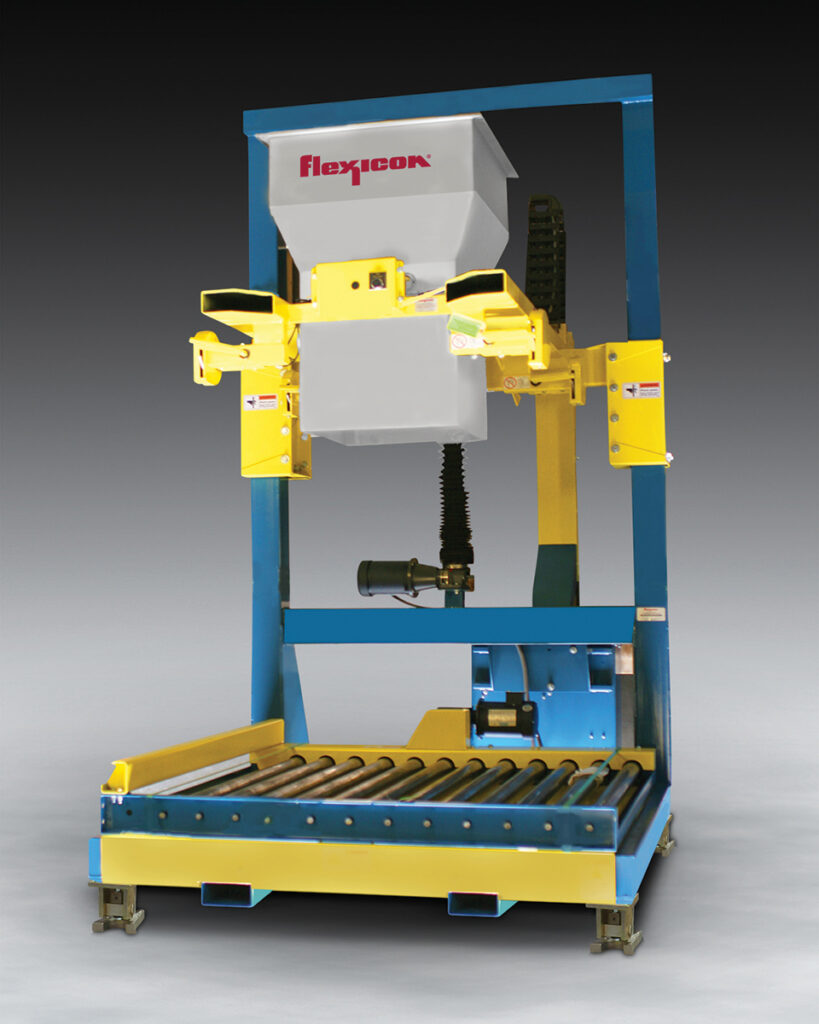
Wide-inlet filling
A larger inlet handles suitable chunky, moist or irregular materials in open or duffle-top bags. Specify maximum piece size and the inlet geometry instead of assuming a conventional spout will suit.
Application idea: Review mulch, large agglomerates or other difficult pieces.
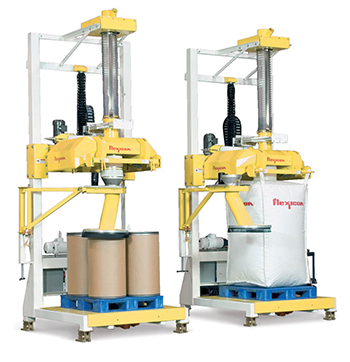
Multiple container types
A common filling station can use appropriate adapters for bulk bags, boxes or drums. Define every container and the changeover, sealing and removal method.
Application idea: Share a weighed filling station between package formats.
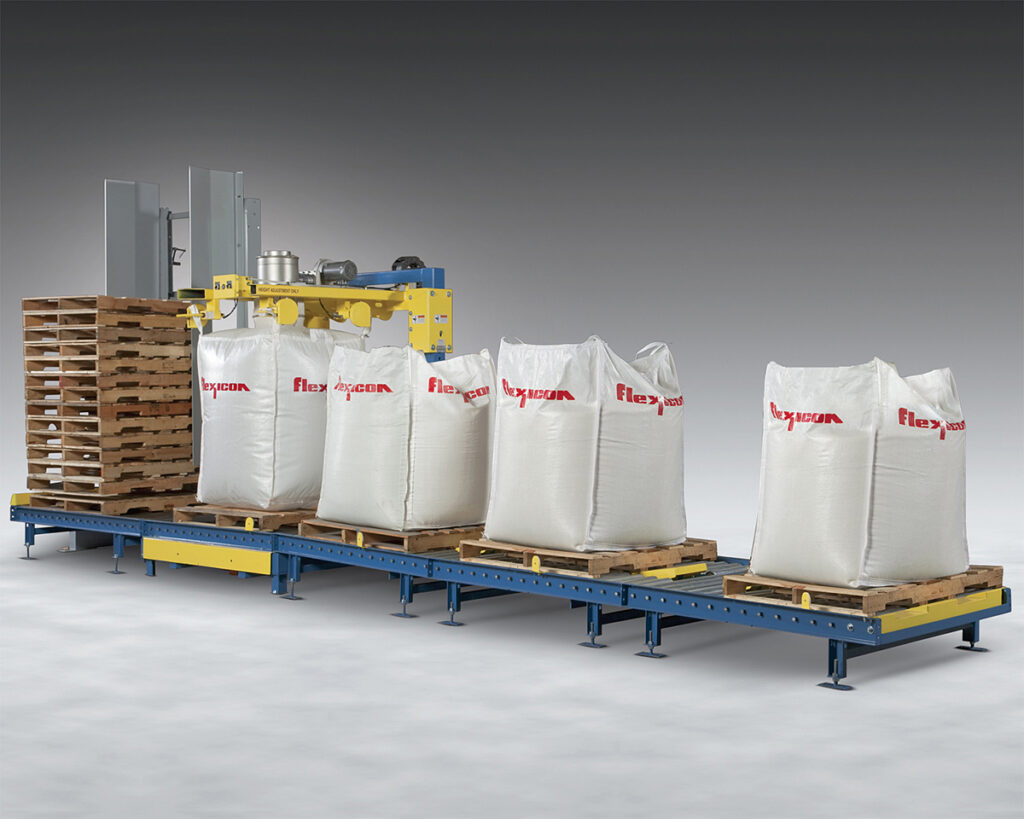
Automated pallet handling
A coordinated line supplies pallets to the filler and moves completed bags to an accumulation area. The illustrated system still uses an operator to attach empty bags.
Application idea: Reduce manual pallet movement between fills.
Build the pallet-handling line around the filler
A fast feeder will not deliver the required output if pallet placement or filled-bag removal becomes the bottleneck. Review the whole line, including operator access and the route for completed loads.
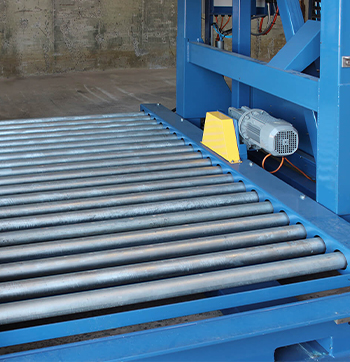
Powered and gravity sections
Powered rollers control movement and accumulation. Suitable gravity sections can serve selected transfer areas; the slope and load behaviour must be reviewed for the actual layout.
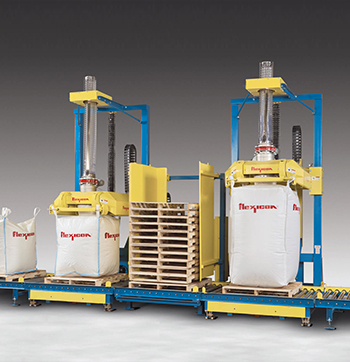
Pallet dispenser
A dispenser supplies individual pallets from a stack. Specify pallet size, construction, condition and stack arrangement so dispensing matches the line.
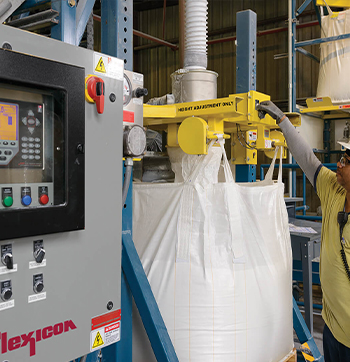
Controls and automation
A programmable controller and human-machine interface (HMI) can manage filling cycles, recipe settings and key operating parameters. Coordinate feed, weighing and bag release, with individual fillers running independently or together as required for different products and bag sizes.
Higher output: overlap bag changes with weighing
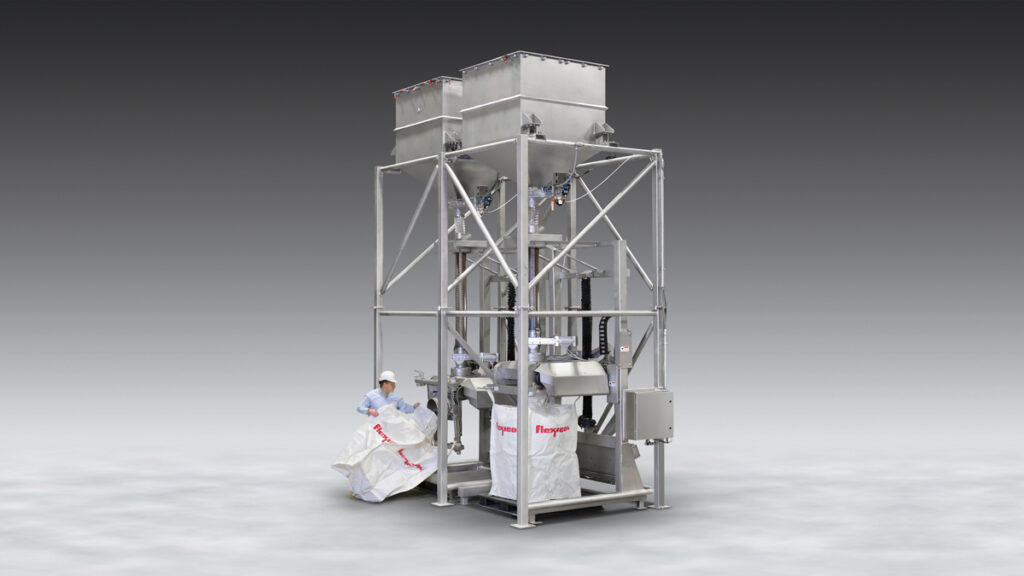
Dual fillers with pre-weigh hoppers
The documented dual SWING-DOWN® arrangement uses overhead weighing so a hopper can recharge while a completed bag is removed and the next bag is connected. Two stations allow work on one side while the other side completes its cycle.
Review the required output against material supply, available height, bag attachment, discharge time, venting and filled-bag removal. The published installation is an engineered example, not a standard throughput guarantee.
View configuration PDF →Technical configuration details
BFS - SWING-DOWN® Filler
The fill head lowers and pivots toward the operator for bag connections at floor level. Review it where operator reach and repeated bag changes are important, including pallet-conveyor installations.
Confirm operator reach, fill-head travel envelope, available height and how the selected pallet system interacts with the swing-down motion.
View configuration PDF →BFR - REAR-POST Filler
A cantilevered fill head provides access around the bag and can be integrated with roller conveyors and pallet handling. Select the weighing, adjustment and feed arrangement around the required duty.
Define whether the filler itself is weighed or a hopper above it performs the weighing. Confirm access and the required roller-conveyor arrangement.
View configuration PDF →BFB - BASIC Filler
A practical starting point where automatic pallet dispensing and roll-through handling are not required. Confirm the included fill-head, bag-support and weighing components for the selected model.
The linked TWIN-CENTERPOST™ example is an additional published design. BASIC and TWIN-CENTERPOST™ model names appear in different manufacturer documents; confirm the exact quoted frame and supplied functions.
View related TWIN-CENTERPOST PDF →Low-profile pallet-jack access
A low-profile base allows suitable palletized loads to be removed with a pallet jack. Check pallet openings, deck height, approach clearance and the finished load.
Confirm pallet-jack entry height, pallet geometry and loaded-bag dimensions. Low-profile pallet access does not automatically solve limited overhead clearance.
View configuration PDF →Sanitary and dairy construction
The published USDA Dairy accepted example uses stainless construction and specified product-contact finishes. Review cleaning access, contact parts and current project documentation.
Confirm the actual acceptance and finish documentation required. The USDA example discusses product-contact surfaces built to relevant 3-A standards; do not assume blanket 3-A certification for every filler.
View configuration PDF →Integrated metal detection
The illustrated sanitary filler detects and diverts metal from a free-falling product stream before filling the bag. Match the detector and rejection arrangement to product and sensitivity requirements.
Specify the product, expected contaminants, detection sensitivity and reject collection method. Include cleaning and access around the detector and diverter.
View configuration PDF →Wide-inlet filling
A larger inlet handles suitable chunky, moist or irregular materials in open or duffle-top bags. Specify maximum piece size and the inlet geometry instead of assuming a conventional spout will suit.
Provide a bag drawing and maximum lump size. Dust containment around an open-top bag needs a different review from an inflatable seal on a narrow inlet spout.
View configuration PDF →Multiple container types
A common filling station can use appropriate adapters for bulk bags, boxes or drums. Define every container and the changeover, sealing and removal method.
Send a drawing for each bag, drum or box, including its opening, height, target weight and removal method.
View configuration PDF →Automated pallet handling
A coordinated line supplies pallets to the filler and moves completed bags to an accumulation area. The illustrated system still uses an operator to attach empty bags.
Specify line direction, accumulation positions, operator access, pallet supply and full-bag pickup. Check the total bag cycle rather than the material-fill time alone.
View configuration PDF →Applications: connect the filler to your process
Feed from overhead storage
Gravity feed from a bin or pre-weigh hopper can simplify the route. Review shutoff, material head, feed consistency, displaced air and available height.
Feed by flexible screw conveyor
A screw conveyor can deliver product from a convenient source to the filler. Match high feed and dribble rates to the fill cycle, and consider product remaining in the discharge path.
Feed by pneumatic or vacuum system
A filter receiver can separate conveying air before product reaches the filler. Review the receiver, discharge valve, air balance and buffer capacity together.
Feed by tubular cable conveyor
A cable-and-disc system can connect material sources to filling points. Review the discharge control, cleanout, product integrity and response to a fill-stop signal.
Common bulk material examples
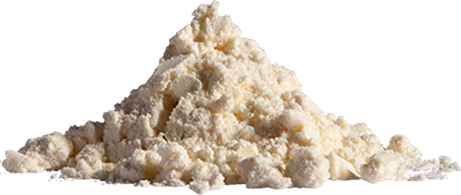
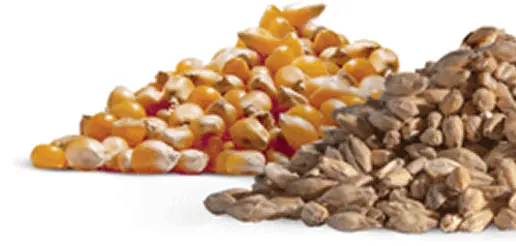
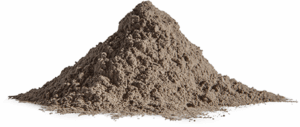
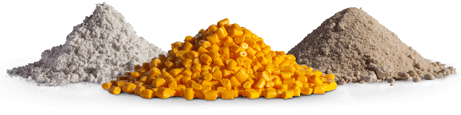
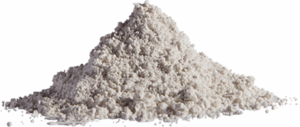
Powders, grains, pellets and minerals need different feed, venting and settling arrangements. Review each grade, bag design and operating condition individually.

What should drive the selection?
Total bags per hour
Include bag attachment, inflation, filling, settling, disconnection and removal. State whether the target is a peak rate or a sustained rate across the shift.
Weight and usable bag volume
Send target net weight, tolerance, bulk density and bag dimensions. The required mass must fit within the usable bag volume without exceeding its load rating.
Aeration and settling
Describe entrained air, dustiness and changes in density after filling. Review representative testing where bag stability or settling time is uncertain.
Operator and pallet access
Check attachment-point reach, forklift or pallet-jack access, conveyor crossings and space to tie off the filled bag. Include all bag and pallet sizes.
Cleaning, electrical requirements and service
Plan the cleanout
Define dry cleaning or washdown, cleaning chemicals and product-change frequency. Review the fill spout, inflatable collar, vent path, valves and feed equipment.
Review Canadian site requirements
Send voltage, phase and frequency, including 575 V where applicable. Define compressed-air supply, panel scope and the approval or inspection requirements for the quoted system.
Identify replacement parts
For inflatable collars, hooks, seals, actuators, scales or other service parts, send the model, serial number and photographs. Start in the RTS Stock Room.
Choose the materials of construction
Product-contact construction choices to review include carbon steel, 304 stainless steel industrial, 304 stainless steel sanitary, 316 stainless steel industrial and 316 stainless steel sanitary, with other materials or finishes on special request. Specify the supporting frame separately from contact parts and confirm availability for the selected filler.
Material grade, weld treatment, surface finish and sanitary detailing affect system cost. Match the construction to the product, cleaning procedure and required standard, including the inflatable seal and other non-metal contact materials.
Sanitary suitability depends on the complete design and finish, as well as the stainless steel grade. Confirm the exact documented requirements in the quotation.
For combustible or hazardous dust, provide available test data, area classification and plant protection requirements. Review the complete feed, filler, venting and dust-collection arrangement.
See bulk bag filling in operation
Watch the existing product video, then compare the fill-head motion, bag preparation and handling functions shown with the system you need.
Application case studies
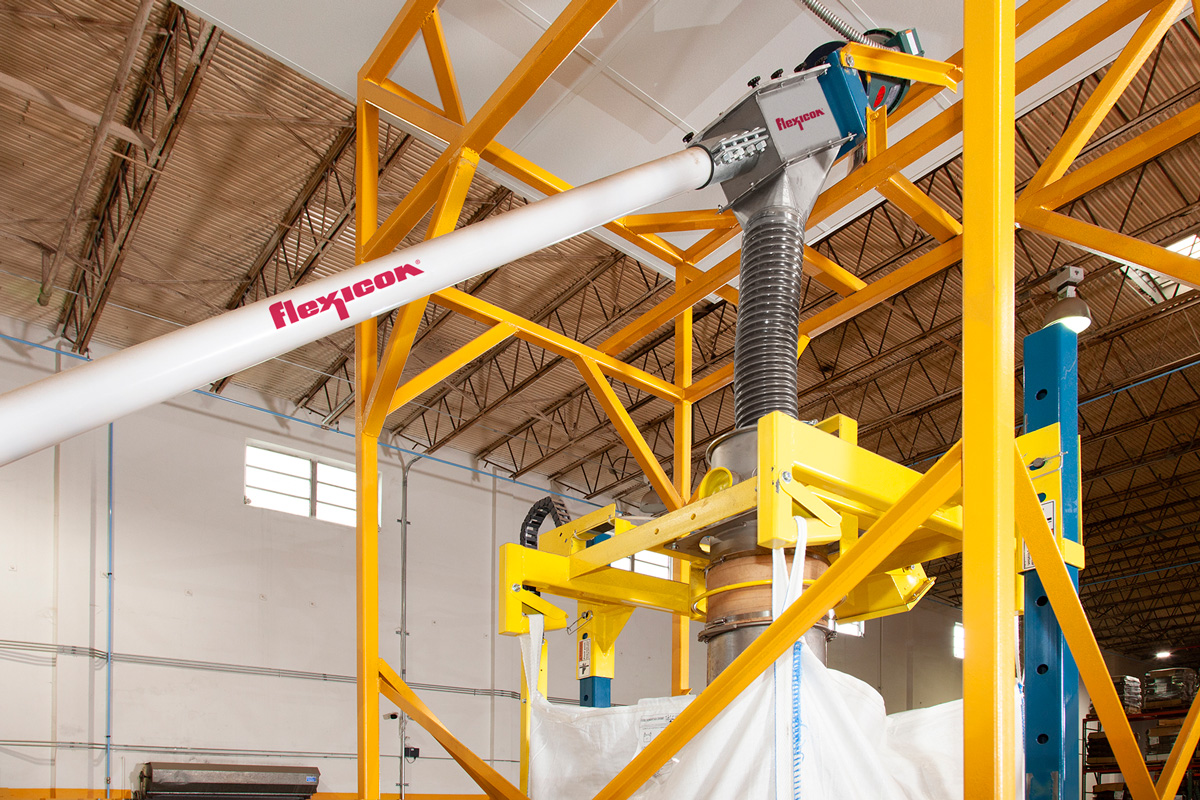
Mayorga: ground coffee into bulk bags
A flexible screw conveyor takes ground coffee from the grinder to a bulk bag filler, creating an intermediate package for the downstream packaging process.
Application idea: Review the filler as part of the production and packaging flow.
Read case study PDF →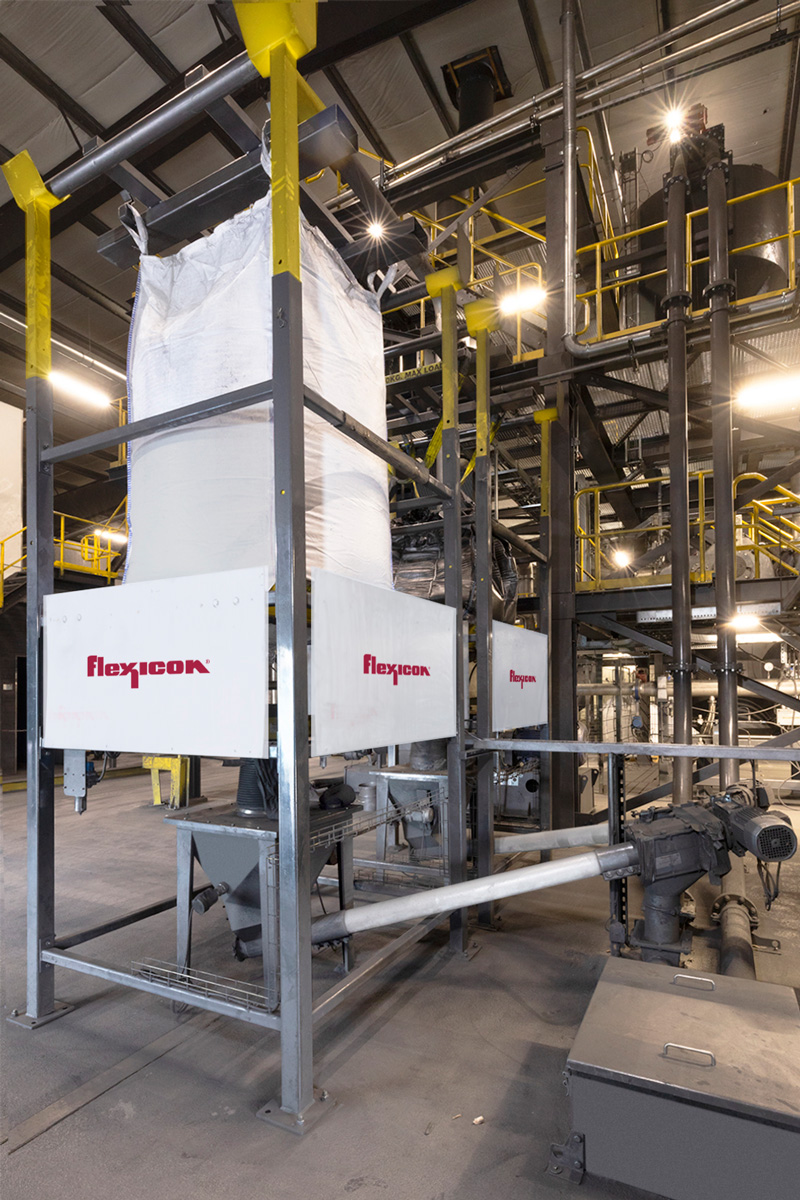
Asbury: graphite filling and dust control
Bulk bag fillers combine sealed spout connections, air-displacement filtration, load cells and densification for filling milled graphite.
Application idea: Review fill weight and containment together when upgrading an existing station.
Read case study PDF →Connect with the rest of your Flexicon system
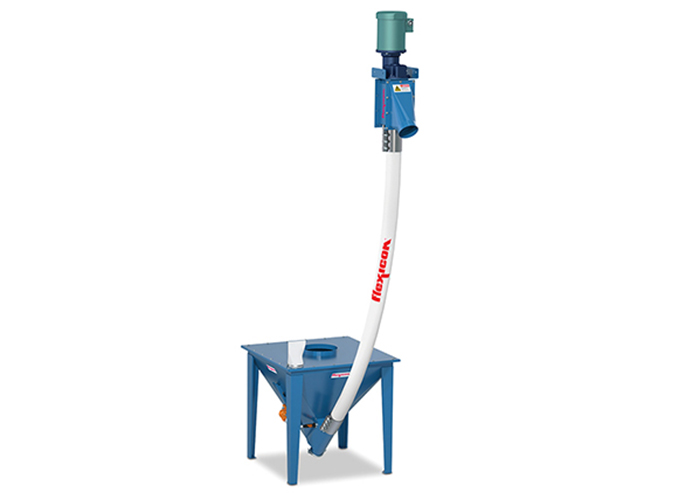
Flexible screw conveyors
Supply product to the filler with a coordinated feeding and cutoff arrangement.
Also known as: Flexible augers, spiral conveyors.
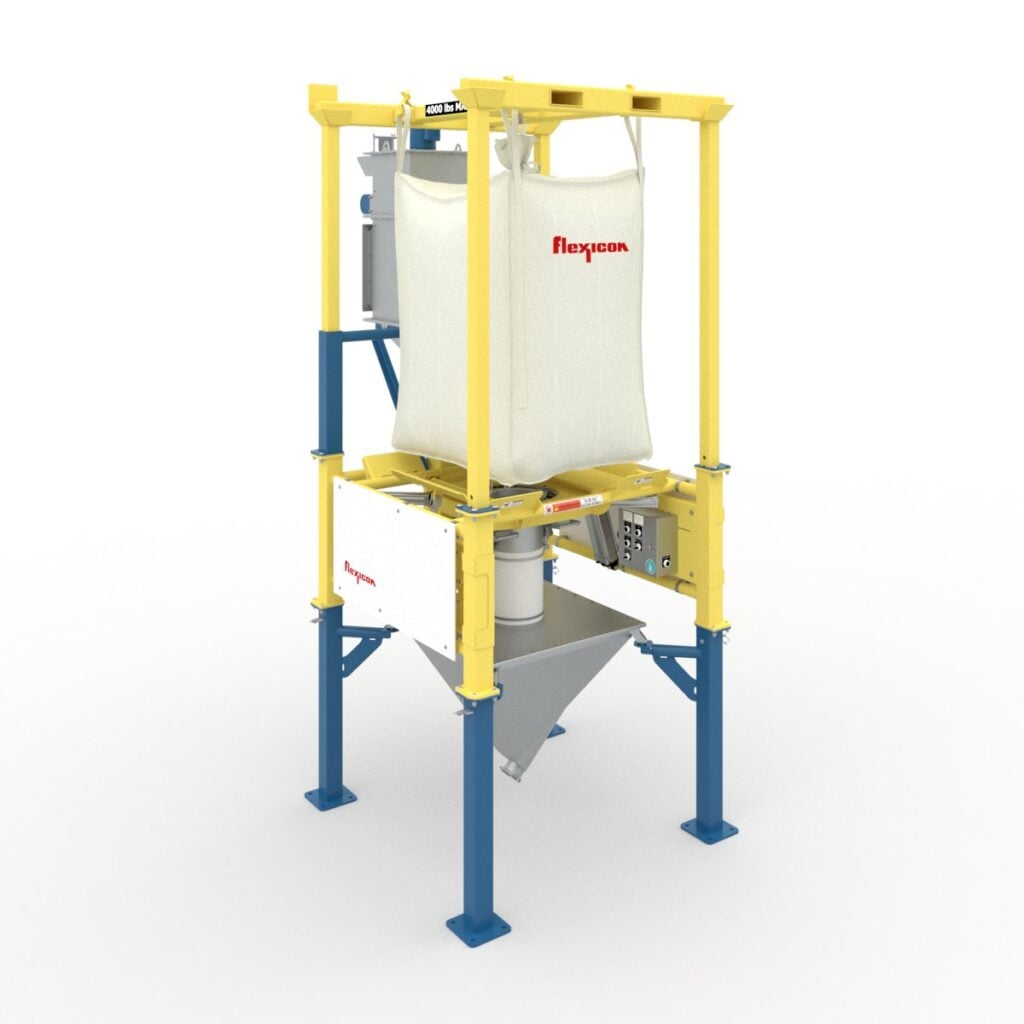
Bulk bag unloaders
Discharge incoming ingredients before processing or repacking into new bulk bags.
Also known as: Bulk bag dischargers, FIBC unloaders.
Pneumatic conveying systems
Bring material from storage or process equipment to a receiver above the filling station.
Also known as: Pneumatic conveyors, vacuum conveying systems.
Literature and technical resources
Brochures and application worksheets
Configuration/Application Ideas
- BFS - SWING-DOWN® Filler (PDF)
- BFR - REAR-POST Filler (PDF)
- TWIN-CENTERPOST configuration (PDF)
- Low-profile pallet-jack access (PDF)
- Sanitary and dairy construction (PDF)
- Integrated metal detection (PDF)
- Wide-inlet filling (PDF)
- Multiple container types (PDF)
- Automated pallet handling (PDF)
- Dual fillers with pre-weigh hoppers (PDF)
- Mayorga: ground coffee into bulk bags (PDF)
- Asbury: graphite filling and dust control (PDF)
Questions to help plan your bulk bag filler
Which filler design should I start with?
Start with bags per hour, bag dimensions and how the operator will connect and remove bags. Compare BFS SWING-DOWN access, BFR REAR-POST line integration and BFB BASIC stand-alone filling, then confirm the exact model and equipment scope.
What filling accuracy can I expect?
Send the target net weight, tolerance and required cycle rate. Accuracy depends on material flow, feed cutoff, product in flight, scale arrangement and operating conditions; confirm the performance target with the actual product.
Do I need bag inflation or densification?
Pre-inflation shapes the empty bag; densification settles product during filling. They solve different problems. The material, liner, bulk density and required bag shape determine whether one or both should be included.
How is dust contained during filling?
For a compatible spouted bag, an inflatable collar seals the inlet while a vent provides a filtered or extracted path for displaced air. Review the incoming feed and bag connection as one system.
Can bags be removed by pallet jack?
A published low-profile design provides pallet-jack access. Send the pallet dimensions, entry height and loaded-bag details so the arrangement can be checked.
Can the same unit fill drums or boxes?
A multipurpose design can use different adapters. Supply drawings and target weights for every container so the sealing, adjustment and removal functions can be reviewed.
Are sanitary or metal-detection options available?
Yes, published examples include sanitary stainless designs, a USDA Dairy accepted configuration and a filler with metal detection and rejection. Confirm the exact specification and documentation required for your project.
Can pallet handling be automated?
A system can dispense pallets, move filled bags and accumulate loads. Empty-bag attachment may still require an operator. Define the desired level of automation and the complete cycle.
What should I send for a quote?
Send material details, bag and pallet dimensions, target weight and tolerance, bags per hour, material source and available height. Include dust collection, cleaning, power, compressed air and removal requirements if known.
READY TO REVIEW YOUR BULK BAG APPLICATION?
Request a bulk bag filler recommendation
Send the material, bag details and filling duty. Download the worksheet or complete the guided request below.
Call 905-607-3240 or email sales@ratetechnology.com.
RATE TECHNOLOGY SYSTEMS
Bulk Bag Filler Quote Request
Fill in the details you know. Review your summary and submit the completed request at the last step.
Optional: attach a photo
Use the Attach a photo field in the secure form below to choose an image from your device. Wait for Upload complete before selecting Submit. You can leave this field empty and still send your request.