Move material
Compare flexible screw, pneumatic and tubular cable conveying around your material and route.
Convey, unload, fill and feed powders and bulk solids with equipment selected around your material, plant layout and production requirements.
Request a QuoteStart with the job you need done. The right arrangement depends on how material enters the system, where it needs to go and the condition it must arrive in.
Compare flexible screw, pneumatic and tubular cable conveying around your material and route.
Review bulk bag discharge, manual bag dumping or container tipping at the source.
Coordinate filling, weighing, ingredient delivery and the next process step.
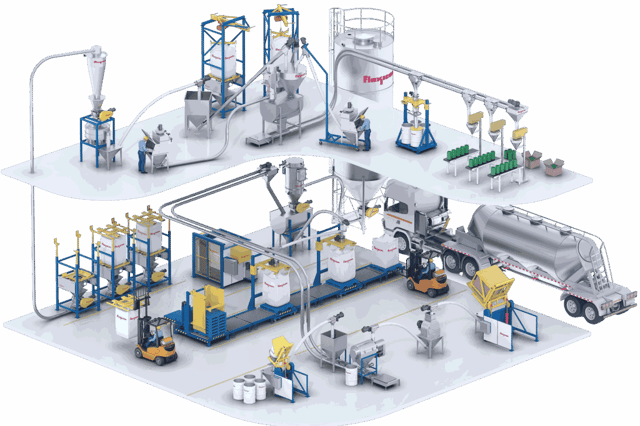
Rate Technology Systems helps Canadian manufacturers review Flexicon equipment as part of a working process. We look at material behaviour, required rate, available space, hygiene and how the system connects to upstream and downstream equipment.
That can mean one conveyor or a coordinated system with bulk bag handling, ingredient intake, conveying, weighing and controls. We help identify the information needed before equipment is sized or quoted.
Material is not reaching the next process reliably.
Bag emptying or product transfer is creating cleanup and containment problems.
Operators are repeatedly lifting bags or moving containers between steps.
Material arrives with more breakage or a different blend than the process needs.
The handling system cannot keep up with mixers, packaging or other equipment.
The present arrangement makes maintenance, changeovers or sanitation harder.
Move powder or granules between process steps.
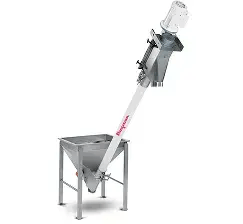
A straightforward enclosed transfer route, with screw geometry selected around the material.
Also known as: Flexible auger conveyors, spiral conveyors, helix conveyors.
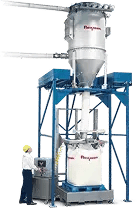
Move material through an air-driven pipeline.
Review pressure or vacuum conveying around the route, product characteristics and receiving equipment.
Also known as: Air conveying systems, vacuum conveying systems, positive-pressure conveying systems.
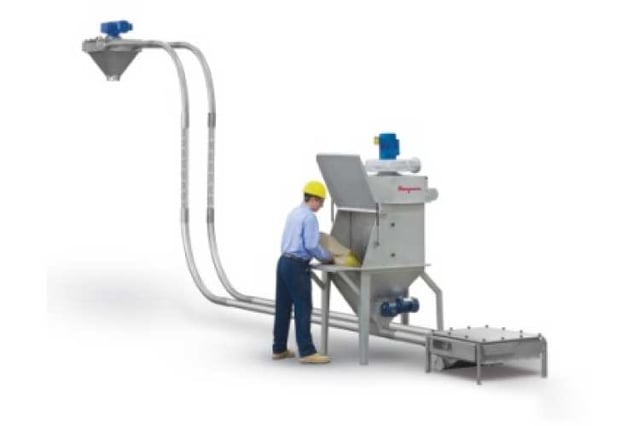
Move material gently through enclosed tubing.
Review a disc-and-cable arrangement when product handling and the route are important.
Also known as: Cable drag conveyors, tubular drag cable conveyors, cable-and-disc conveyors.
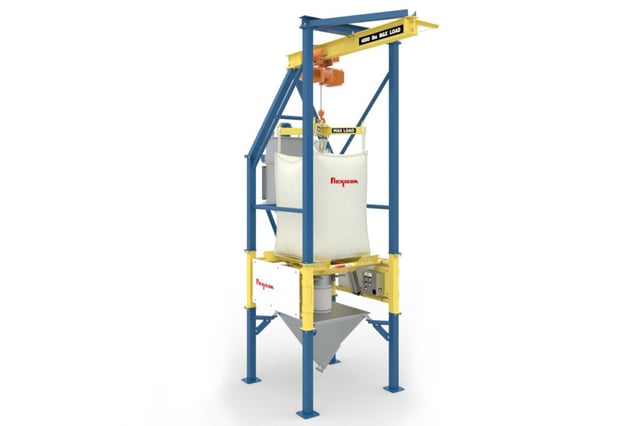
Empty bulk bags into the process.
Match bag support, spout connection, flow promotion and the receiving hopper to your material.
Also known as: Bulk bag unloaders, FIBC unloaders, super sack unloaders.
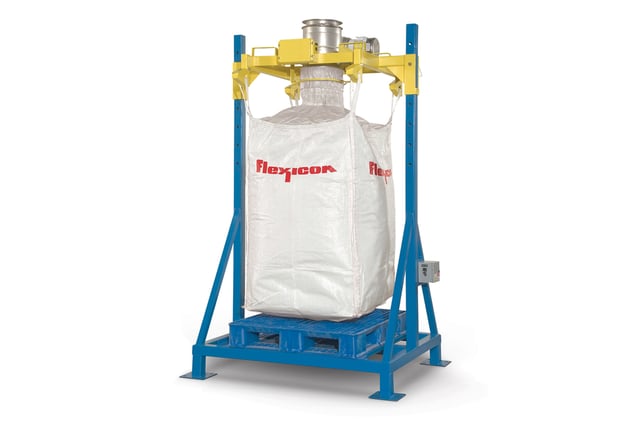
Fill bulk bags for storage or shipment.
Review bag handling, weighing, filling-head connection and displaced-air management together.
Also known as: FIBC filling stations, super sack fillers, big bag fillers.
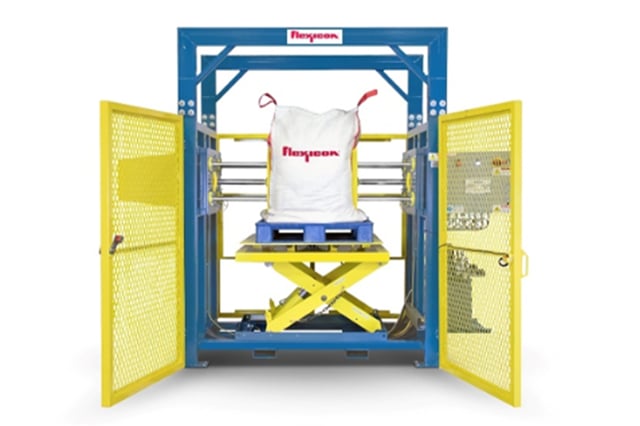
Loosen compacted material before unloading.
Discuss bags that have hardened or consolidated during shipment or storage.
Also known as: FIBC conditioners, bulk bag massagers, jumbo bag massagers.
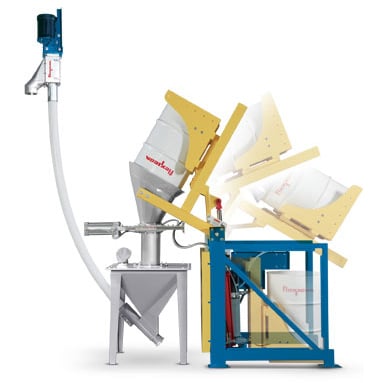
Tip containers into downstream equipment.
Review container size, lifting access, discharge height and the required containment.
Also known as: Drum tippers, box tippers, container tilters.
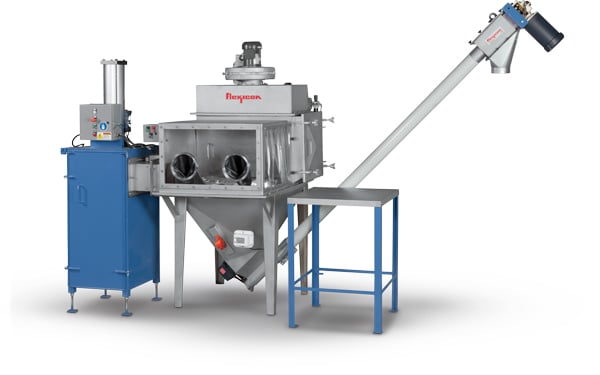
Introduce ingredients from hand-held bags.
Coordinate manual bag emptying, dust extraction and the conveyor or hopper below.
Also known as: Bag tipping stations, sack emptying stations, manual bag unloading stations.
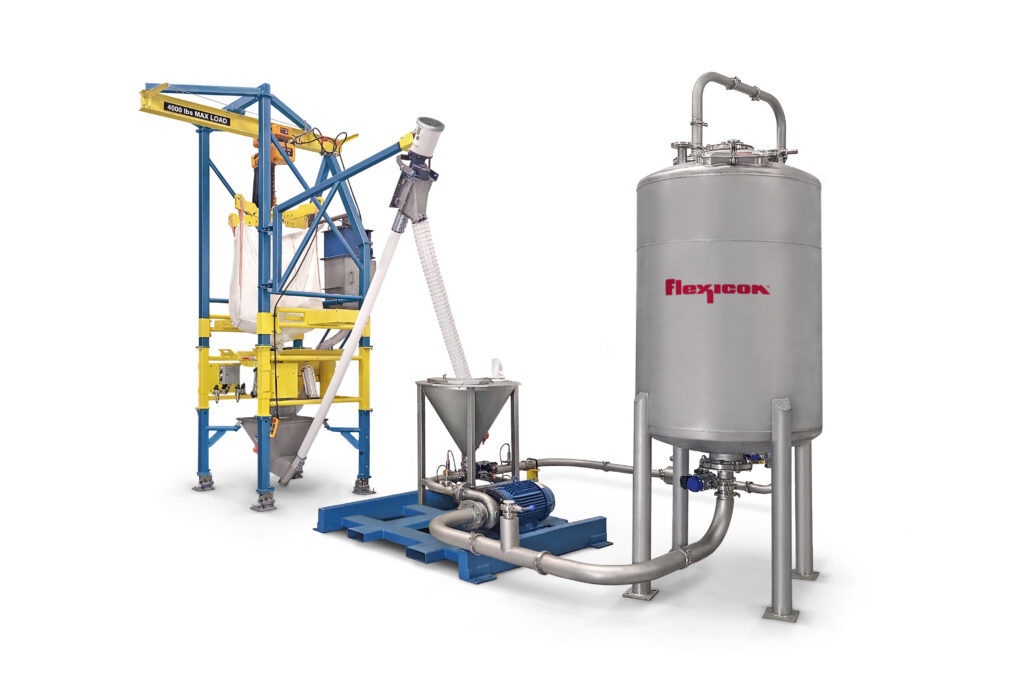
Introduce powders into a liquid stream.
Review powder induction, liquid circulation and the connected mixing or batching process.
Also known as: Powder induction eductors, venturi powder induction systems.
Review an enclosed mechanical transfer with a rotating flexible screw. Material characteristics, screw design and the inlet arrangement guide selection.
Review transfer through piping using pressure or vacuum. Air requirements, receiving filtration, the route and product behaviour all matter.
Review enclosed transfer using discs and cable. Discuss fragile ingredients, blends, discharge points and the cleaning routine.
There is no single best conveyor for every material. Tell us the bulk density, particle size, required rate, horizontal distance and vertical lift so we can compare the practical options.
Start with this short equipment montage, then explore the product introductions below. Each video plays within this page.
Manufacturer equipment montage. This is an overview, rather than an application-specific performance test.
Flexicon introduces its flexible screw conveyor and enclosed material-transfer approach. Review the equipment arrangement alongside your material and installation requirements.
Flexicon introduces bulk bag unloading equipment. Use this overview to discuss bag support, the discharge interface and how material enters the equipment below.
Identify bulk bags, hand-held bags, drums, boxes or another upstream source.
Select the conveying method and route around the available space and the product.
Coordinate feeding, weighing or batching with the receiving process and controls.
Review connections, displaced air, access and the cleaning procedure across the system.
At Sazon, a GOYA Foods manufacturing division in Florida, Flexicon supplied bulk bag dischargers on load cells connected to pneumatic conveying lines feeding production blenders. The published application illustrates how unloading, weighing and conveying can work together.
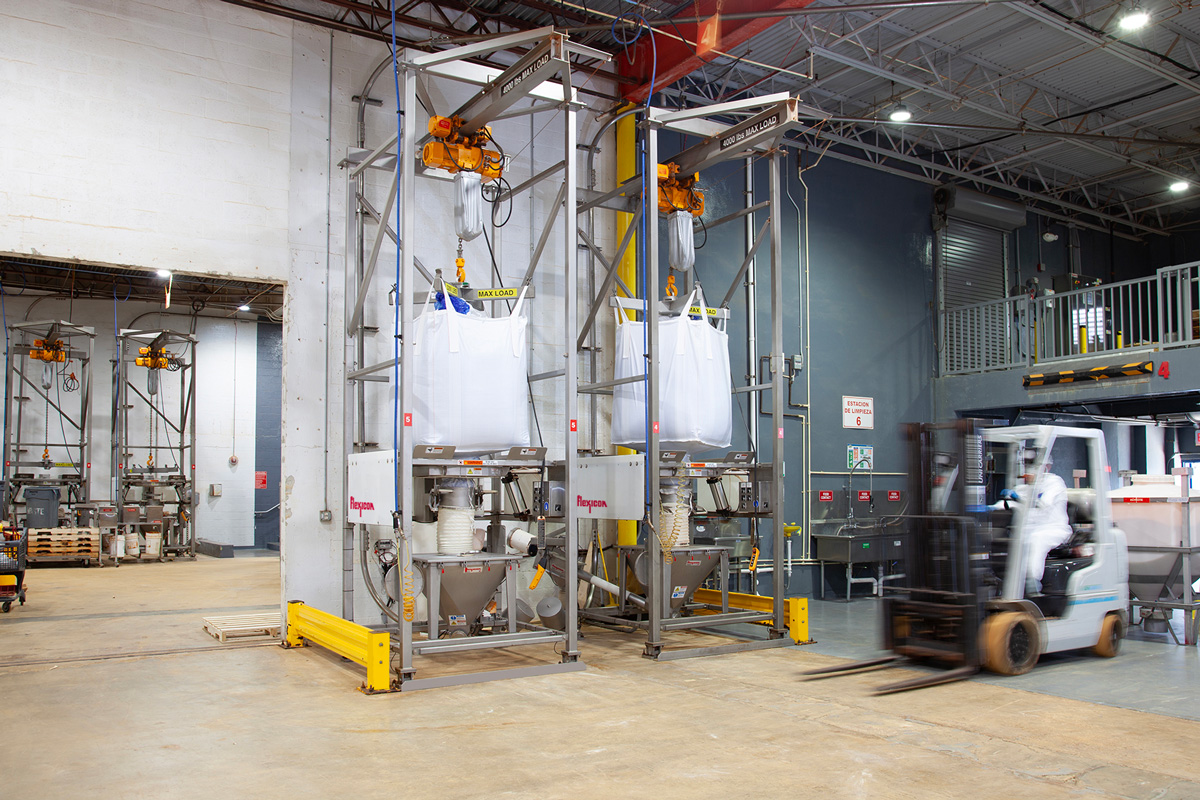
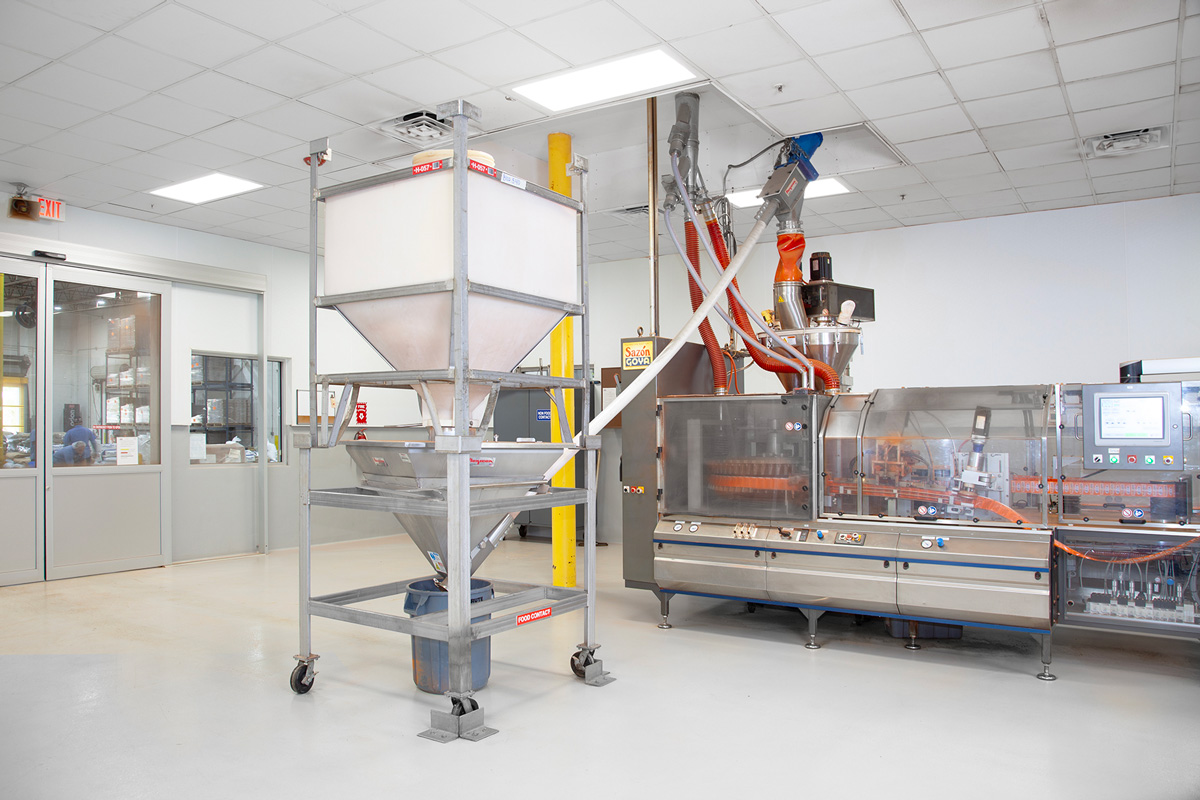
If your team repeatedly handles ingredient bags before blending or packaging, RTS can review the intake method, recipe requirements, transfer route and receiving equipment together.
Discuss a Similar ApplicationThe Franklin Farms East case describes a bulk bag discharger, bag dump station and flexible screw conveying used to introduce dry ingredients into a blending process. The project addressed ingredient intake, dust containment and the available headroom.
For dairy and food ingredients, the review should include product-contact construction, cleaning, bag handling and how minor and major ingredients enter the process.
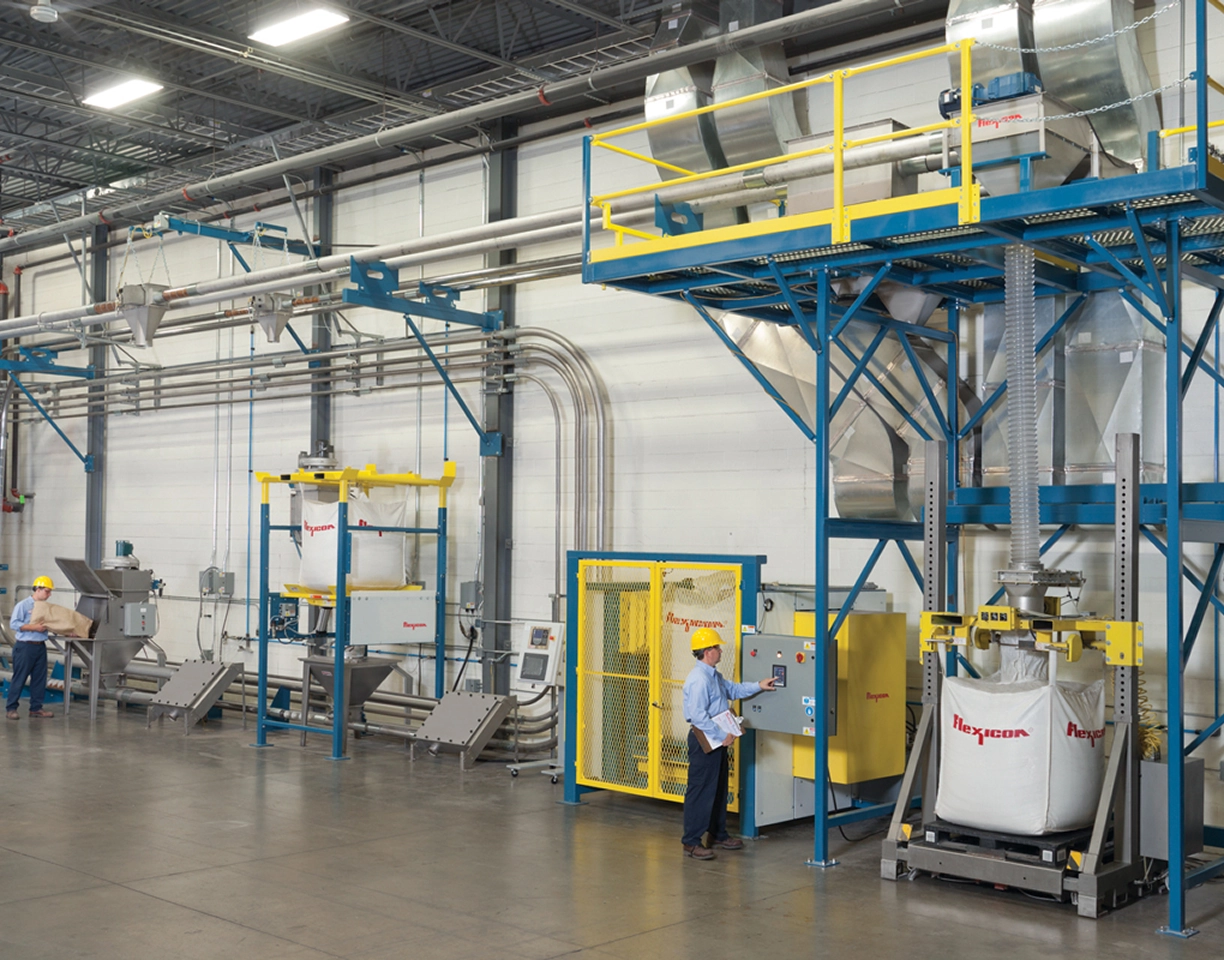
Read the Dry Milk Solids Case Study PDFFull-scale testing can help evaluate conveying rate, flow behaviour, product degradation and equipment configuration using your material. RTS can coordinate the test discussion and the information needed to define a useful trial.
Agree the rate, product condition and operating result the test needs to demonstrate.
Discuss the sample quantity, condition and any handling or cleaning requirements.
Use the test results to refine selection before committing to the final arrangement.
Examples to discuss with RTS include the materials below. Flowability, bulk density, moisture, abrasion and cleaning requirements can change the equipment configuration.


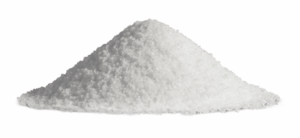



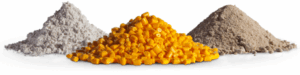

Review equipment choices, transfer points, access and the available headroom.
Discuss sanitary or heavy-duty construction, controls and the electrical supply. 575V and approval requirements are confirmed for the quoted configuration.
Coordinate technical questions, testing, installation requirements and startup support appropriate to the project.
Existing equipment support is part of the discussion too. If you need a replacement, send the model, serial number and photographs so RTS can help identify the appropriate next step.
A handling project may need more than a conveyor. Discuss recipe handling, batch-weight requirements, ingredient sources, mixers, packaging equipment and the signals needed between machines.
RTS can help coordinate a Flexicon system review around these interfaces. The equipment and control scope are confirmed for the specific project.
Discuss an Integrated SystemEquipment families, system arrangements, sanitary construction and engineering capabilities in one reference.
Open Full-Line Brochure PDFA case study showing ingredient intake and conveying within a food-production process.
Open Application Case Study PDFTell RTS the material, bulk density if known, required rate, source and destination. Include horizontal distance, vertical lift, available headroom and a photo or sketch. Need to convert your measurements? Use the RTS unit conversion tool.
Send the available space, access restrictions and the equipment above and below the transfer. Layout, cleaning and maintenance access are considered alongside the handling requirement.
Yes. RTS can help compare the material, route and production requirements. Where performance or product condition needs confirmation, a material trial can be discussed.
Yes. Share the material, cleaning method, operating environment, electrical supply and required approvals so the selected construction and quoted scope can be reviewed.
READY TO DISCUSS YOUR APPLICATION?
Download the worksheet to complete with your team, or tell us about your project using the online application below.
Completed a worksheet? Email it with your photos or drawings to sales@ratetechnology.com.
RATE TECHNOLOGY SYSTEMS
Tell us about your equipment, material and installation. Fill in the details you know.
Prefer to speak directly? Email Sales or call 905-607-3240.