
Receive material at a convenient loading point and convey it to an elevated mixer, bin or other process.

Flexible Screw Conveyors for Powders & Bulk Solids
Move material from bags, hoppers and process equipment to the next stage. Review the conveying route, feed rate, cleaning needs and configuration with RTS.
Request a QuoteAre you transferring material, feeding a process, or refilling equipment?
Review continuous transfer, intermittent demand or volumetric delivery before selecting the conveyor and controls.
Coordinate the conveyor with level signals, batch controls and the equipment receiving the material.
How a flexible screw conveyor works
A rotating steel spiral moves bulk material through an enclosed tube. In the standard arrangement, the motor sits beyond the discharge point and the product path contains no internal bearings or seals. The flexible screw is the only moving part touching the material.
The inlet can connect to a floor hopper, bag dump station, bulk bag unloader or process outlet. Screw geometry, tubing, incline and material behaviour are reviewed together.
Also known as: Flexible auger conveyors, spiral conveyors, helix conveyors and flexible screw conveying systems.
The main components to review
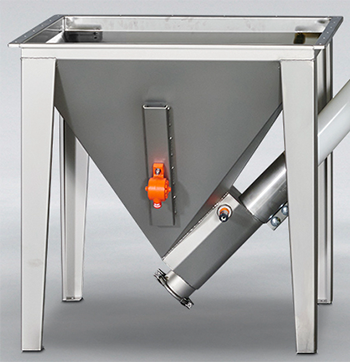
Charging adapter
Connect the conveyor inlet to the available material source. Hopper flow promotion can help keep difficult powders reaching the screw.

Flexible screw
Select the spiral profile around the product. Flowability, bulk density, abrasiveness and the condition of the material all matter.
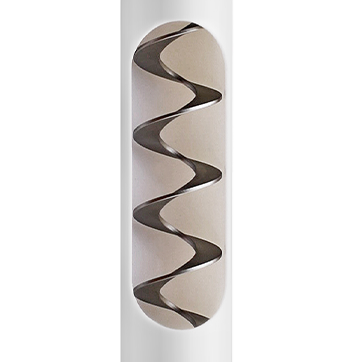
Enclosed tube
Review polymer or metal tubing, access for cleaning and the physical route. The enclosure helps contain material during transfer.
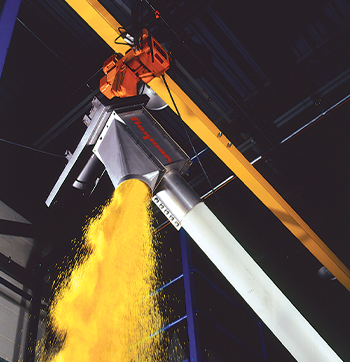
Discharge and drive
Locate the outlet around the receiving equipment and available headroom. A dedicated low-profile arrangement is also available.
Why plants use flexible screw conveying
A simple product-contact path
One moving product-contact component and no internal bearings in the standard conveying path make this an economical option to review for many transfer jobs. The screw and tube still need inspection and replacement as they wear.
Layout flexibility
Horizontal, inclined and vertical arrangements can be reviewed around existing equipment. Confirm the route, available bend radius and supports rather than assuming the tube can follow any path.
Intermittent operation
Start/stop and demand-controlled operation can suit feeder refill and packaging duties. Review full-load restart with the actual material, drive and operating conditions.
Cleaning and product changeover
Accessible cleanout and removable components can support changeover. Define the cleaning procedure, drying requirements and access before selecting the construction.
Hopper agitators & flow enhancement
A conveyor can only transfer material that reaches its inlet. Cohesive powders, oily blends and products that compact can bridge or rathole in the hopper, leaving the screw short of material even when product remains above it.
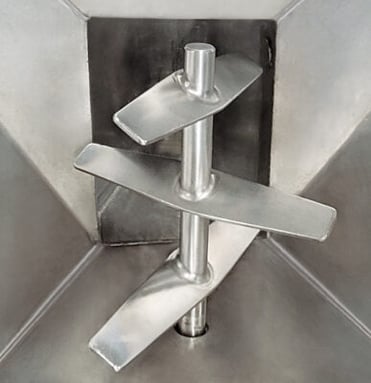
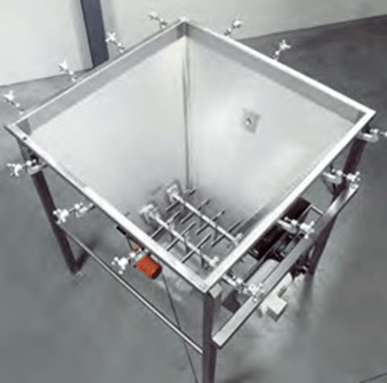
Mechanical agitation at the inlet
An optional hopper agitator helps keep difficult material moving toward the screw inlet. Review the agitator geometry, hopper shape, material condition and conveyor demand together. It is a flow aid, not a substitute for a correctly selected conveyor.
Vibration, aeration or a combination
Optional hopper wall vibrators and aeration pads provide other approaches to flow promotion. Select them around the actual powder: an aid that works for one material can compact or over-aerate another. Include dust capture and the receiving process in the review.
What should RTS review? Send the material, bulk density, moisture or oil content, how it arrives in the hopper, and a description of bridging or inconsistent flow. Representative material testing can help establish which hopper and flow-aid combination suits the duty.
Configurations selected around the job
Start with the installation and material, then compare the construction and access you need. Select a card for further detail below.
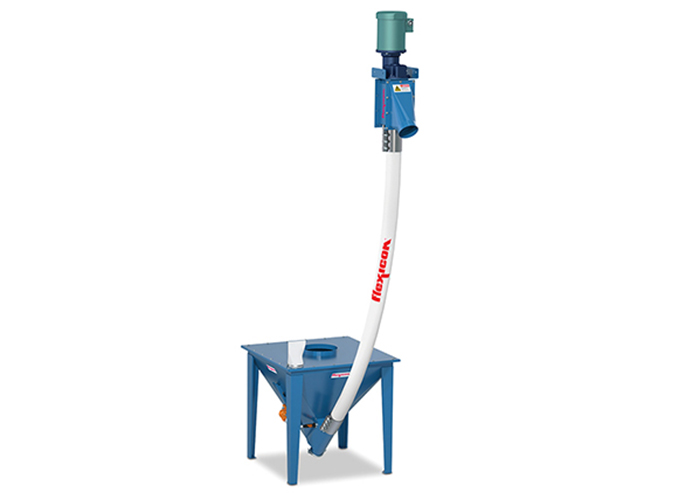
Stationary process conveyor
A fixed transfer between a hopper and process equipment. Define the inlet and discharge elevations, available route and support locations.
Application idea: A bag dump station feeding a mixer on the next level.
Also known as: Fixed flexible auger, hopper-fed conveyor.
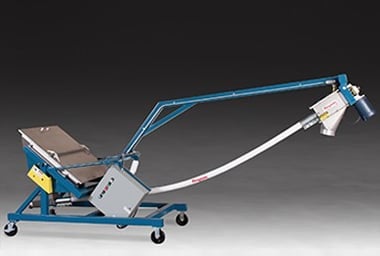
Mobile & tilt-down systems
Caster-mounted systems can serve more than one location. Tilt-down arrangements help with doorway clearance and screw removal; check the full operating and travel envelope.
Application idea: Move the unit between production lines and a cleaning area.
Also known as: Portable auger conveyor, tilt-down conveyor.
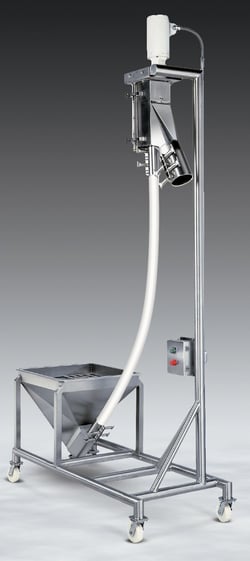
Sanitary & dairy configurations
Review stainless construction, surface finish, weld treatment and disassembly. Flexicon publishes sanitary mobile designs and a twin-conveyor system constructed to 3-A standards.
Application idea: Transfer food ingredients where cleaning access is part of the selection.
Also known as: Sanitary flexible conveyor, hygienic screw conveyor.
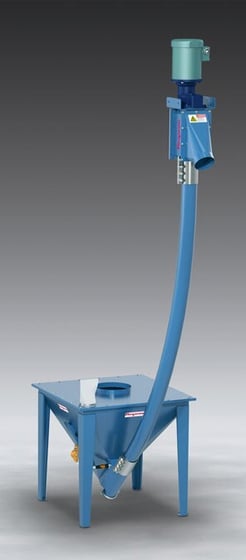
Abrasion-resistant all-steel design
The published all-steel design combines a carbon-steel tube, heavy-duty spiral and heavy-gauge hopper and discharge housing for abrasive service.
Application idea: Review silica sand, cement, crushed glass or abrasive minerals.
Also known as: All-steel flexible conveyor, heavy-duty flexible auger.
More options to build around your installation
The conveyor is one part of the handling system. Use the inlet, receiving process and access requirements to decide which options belong in the quotation.
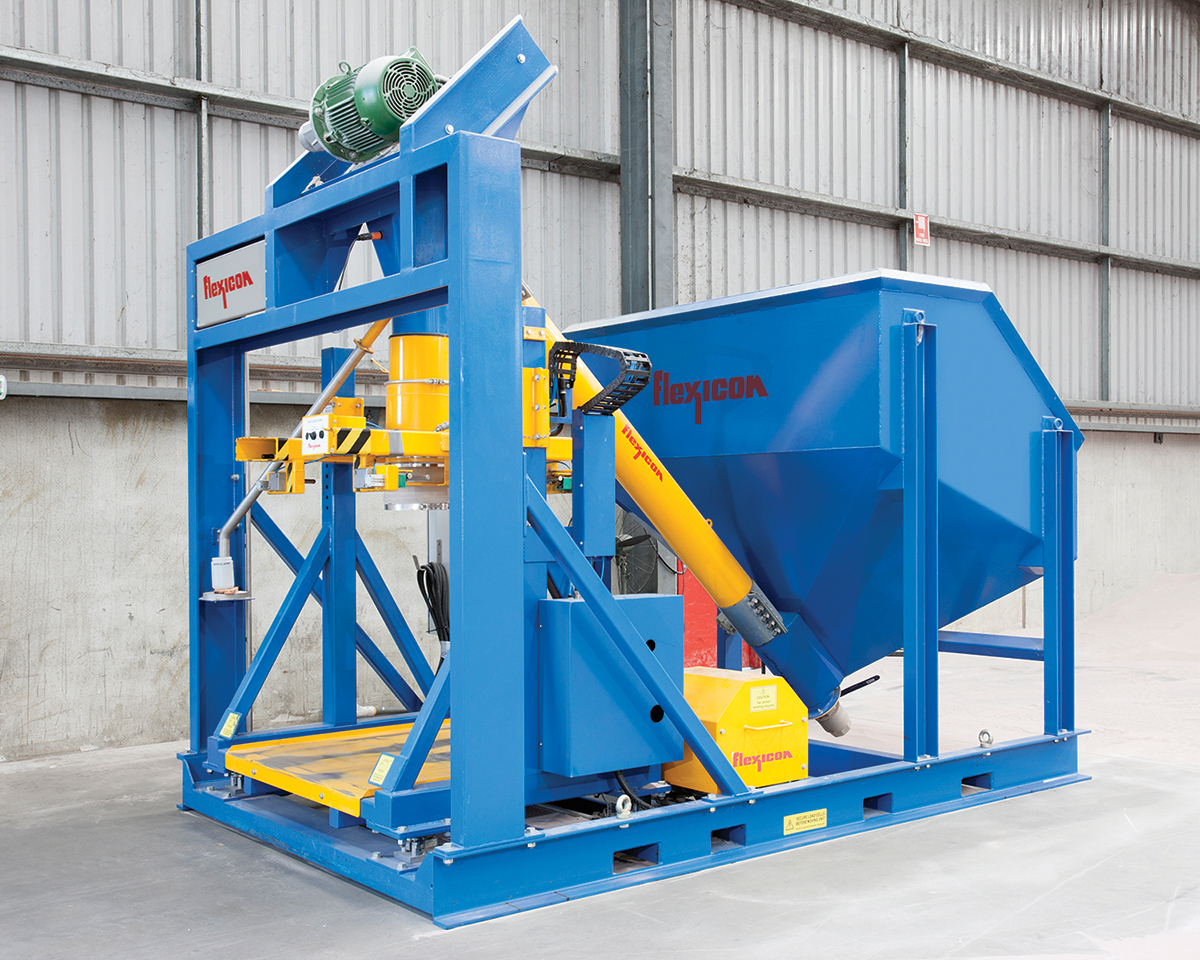
Abrasive mineral conveying & bulk bag filling
At Tronox in Western Australia, Flexicon integrated a loader-fed hopper, heavy-duty steel-tube screw conveyor and bulk bag filler on a movable skid to handle zircon and rutile.
The abrasive minerals called for a thick stainless steel spiral. Load cells beneath the filling deck provide weight feedback to a PLC, which reduces conveyor speed near the target and stops the feed at the selected bag weight. This is a purpose-built installation, with construction and performance specific to its duty.
Application idea: Combine mineral transfer, wear-resistant construction and weight-controlled bulk bag filling in one system. Read the manufacturer case study for the installation details.
Read case study PDF →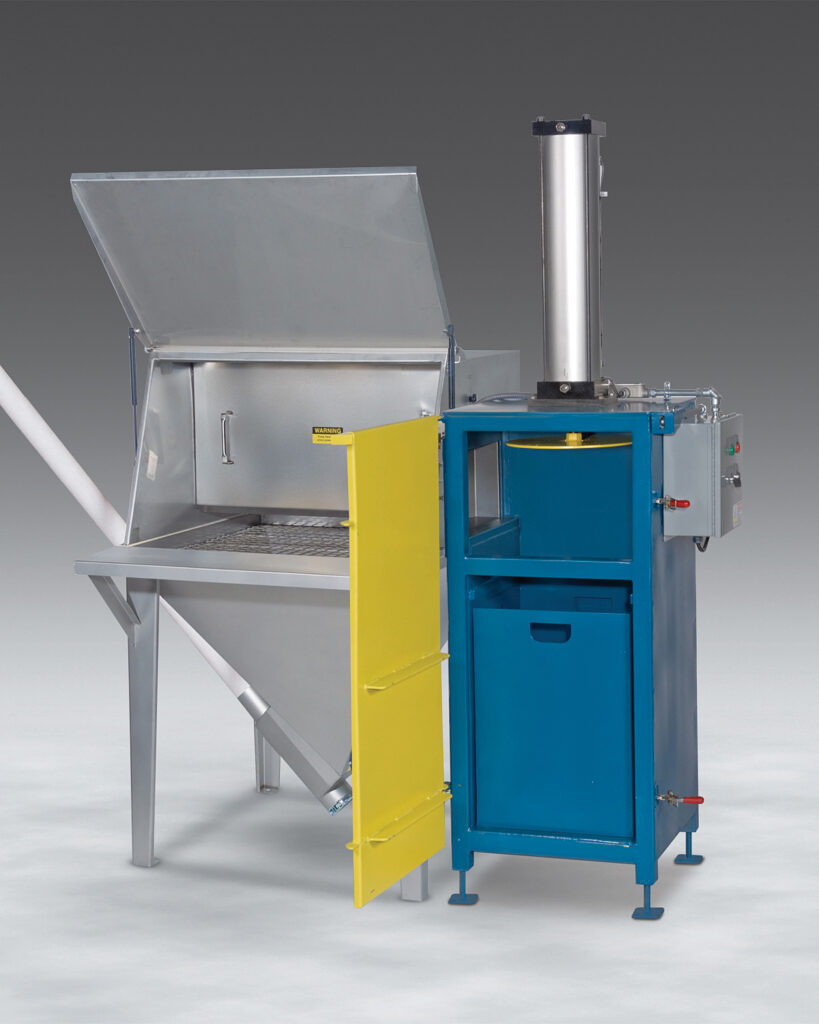
Integrated bag dumping, dust capture & bag compaction
Combine manual ingredient loading with a conveyor receiving hopper, integrated dust collection and an optional empty-bag compactor. This can address both material transfer and handling of used bags.
Flexicon’s documented manual-dump system draws dust from dumping and compaction through cartridge filters; reverse-pulse cleaning returns collected material to the hopper. Review extraction, housekeeping, operator access and the available space.
Application idea: Bagged additives transferred to an elevated mixer with a defined empty-bag disposal route.
View configuration PDF →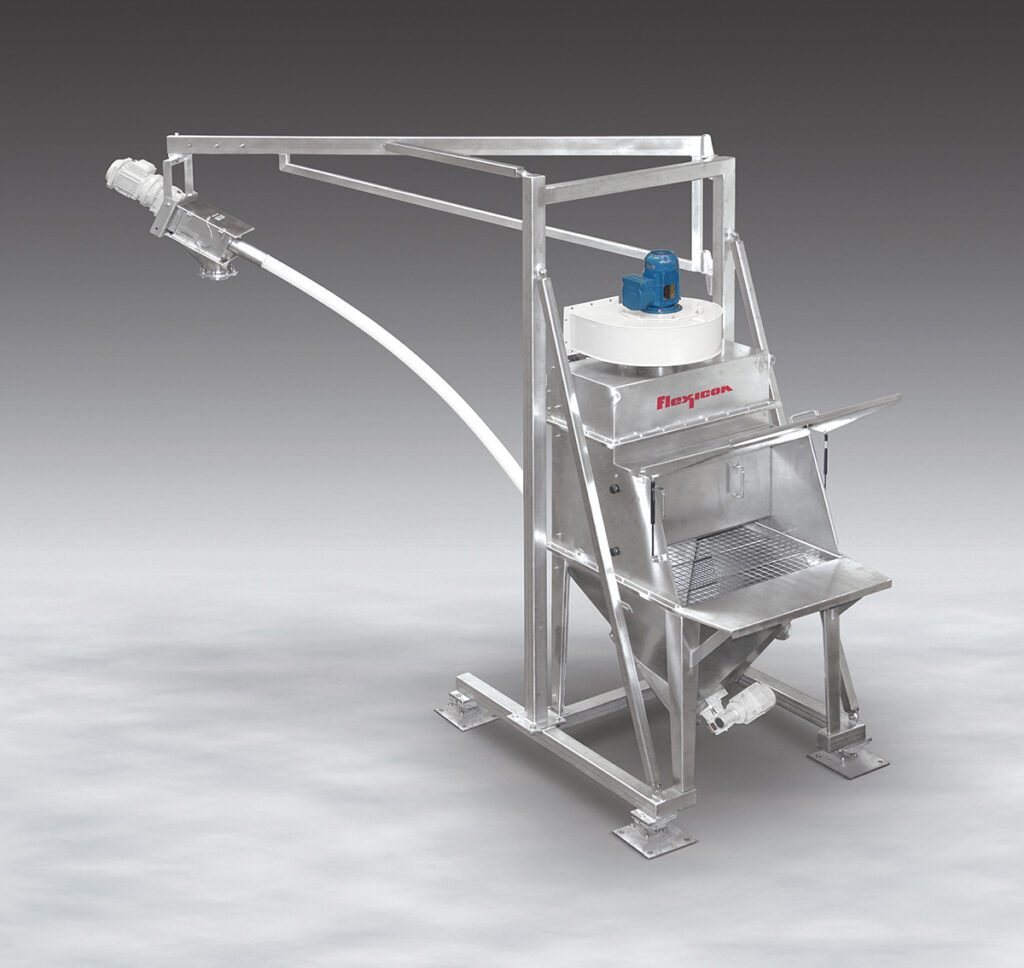
Weigh batching: measure loss at the source or gain at the receiver
The illustrated sanitary bag-dump system supports the hopper and conveyor on load cells to measure loss in weight. Its controller switches from a higher feed rate to a dribble rate near the batch target.
An alternative gain-in-weight arrangement weighs the receiving hopper as one or more conveyors add ingredients. Define the target batch, tolerance, refill sequence and allowable feed time before selecting the weighing arrangement.
Application idea: Prepare weighed ingredient additions to a blender rather than relying on screw speed alone.
View configuration PDF →Technical configuration details
Stationary layout, screw geometry & routing
Use a fixed conveyor where the material source and receiving point stay in place. Send horizontal distance and vertical lift separately, plus the planned tube route and access for removing the spiral. Avoid selecting length from a floor-plan distance alone.
Screw profiles and hopper flow aids should be reviewed with the actual product. An enclosed transfer does not remove the need to consider displaced air at the receiving vessel.
Portable, tilt-down & twin-conveyor layouts
Flexicon’s published tilt-down arrangement combines bag dumping, bulk bag discharge and conveying on a portable base. Lowering the boom helps movement through doorways and access to the screw for cleaning.
A separate twin tilt-down sanitary design can feed two vessels, or convey two materials, from a common base. These are configuration examples, not equipment supplied as standard on every conveyor.
Open Configuration PDFCleaning access & sanitary construction
Define dry cleaning or washdown, cleaning chemicals, product changeover and the access needed to remove the spiral. The sanitary mobile example uses stainless construction with ground and polished welds.
Confirm the required finish and applicable standard for the quoted system. A sanitary option on one design does not make every conveyor 3-A compliant.
Open Configuration PDFAbrasive materials & wear-resistant construction
The all-steel example is intended for materials such as silica sand, crushed glass, garnet and cement. Its published construction uses a metal tube and heavy-duty screw with round, square, flat or bevelled profiles.
Send particle size, bulk density and expected operating hours so wear, flow and maintenance access can be reviewed. The manufacturer’s example lists a 115 mm tube and lengths up to 12 m; these are configuration-specific figures.
Open Configuration PDFLow headroom at the discharge?
Flexicon also publishes a low-profile conveyor with its drive motor at the inlet. This provides an alternative where space above a receiving hopper or vessel is restricted.
It is an exception to the standard discharge-drive arrangement described above. Send the receiving opening, available height and maintenance clearances before deciding which layout fits.
Open Configuration PDFConveying, volumetric feeding or weigh batching?
Demand-controlled transfer
Use the receiving equipment’s demand or level signal to coordinate start/stop. Define what should happen if the destination is full or material stops reaching the inlet.
Volumetric delivery
Screw speed can regulate volume delivered. If bulk density or hopper conditions vary, a given speed does not guarantee a fixed mass flow.
Weighed batches
Where a target batch weight matters, review the conveyor with load cells and a control system. The conveyor alone does not measure the delivered weight.
Tell RTS the required transfer rate and, separately, any batch weight, cycle time or dosing tolerance. This helps distinguish a conveyor duty from a precision feeding requirement.
Where can flexible screw conveyors be used?
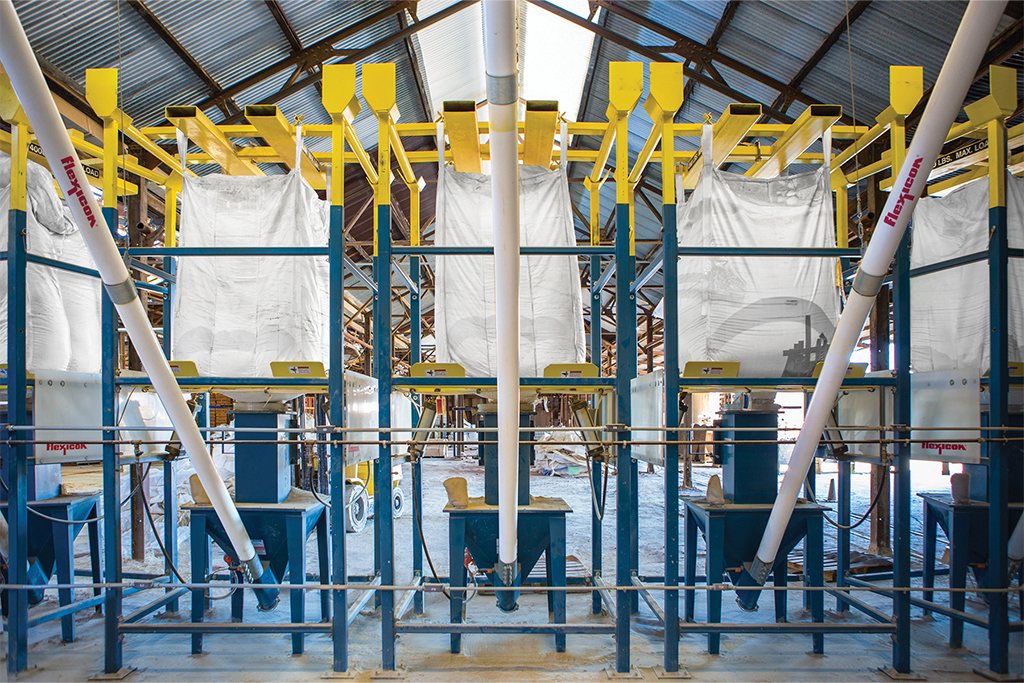
Bulk bag discharging
Feed from a bulk bag unloader into downstream processing. Coordinate bag discharge, inlet capacity and conveyor demand.
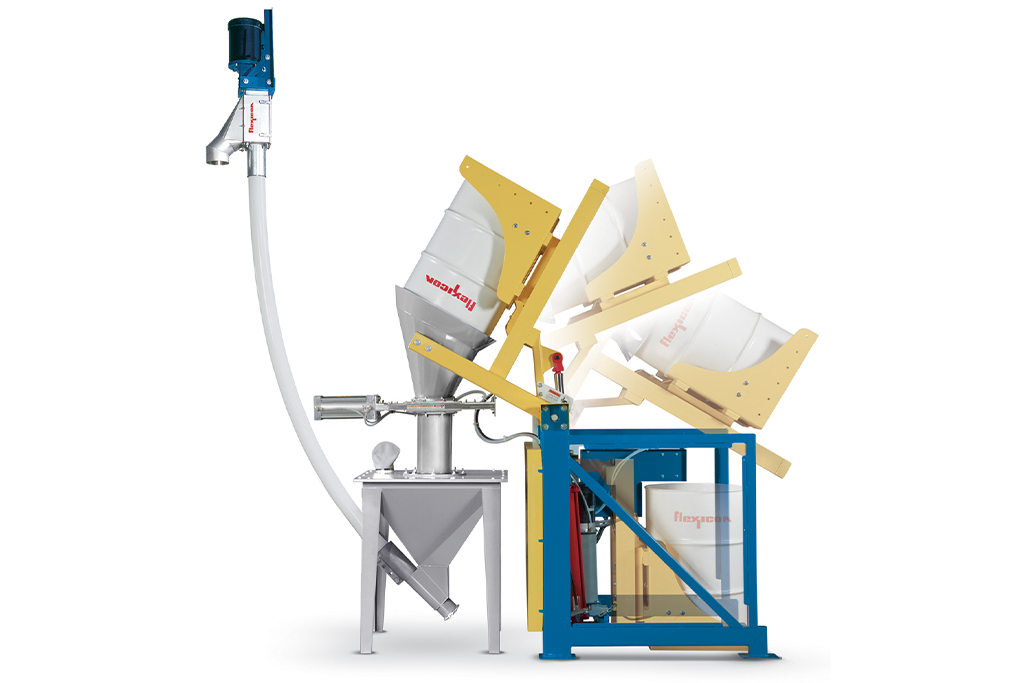
Bag or container dump stations
Receive from a bag dump station or container dumper. Review the surge entering the hopper as well as the transfer rate.
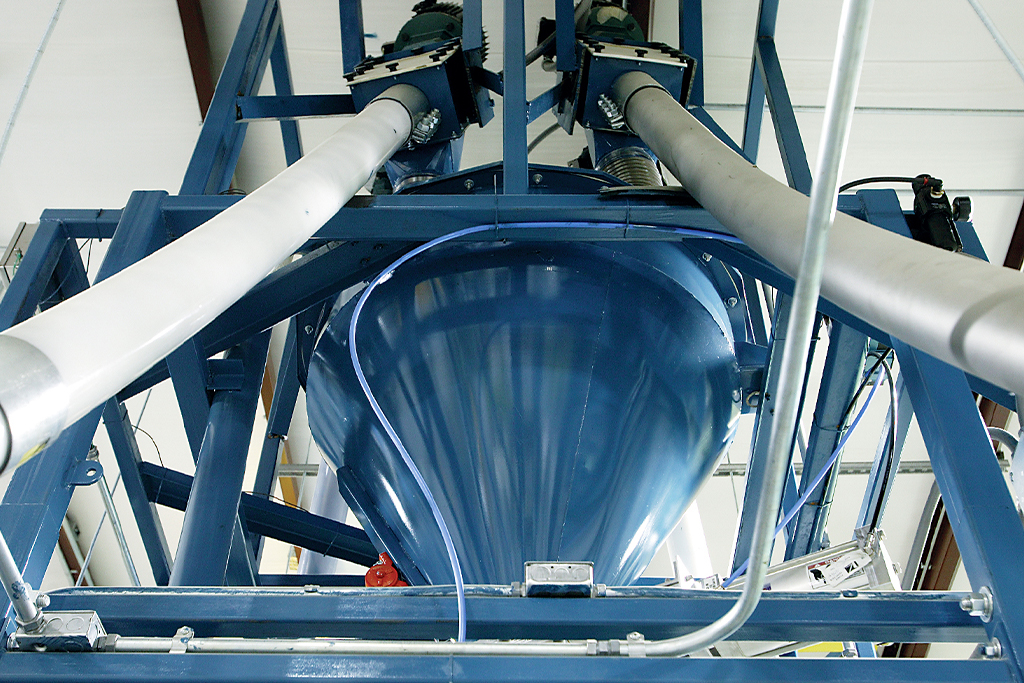
Gravimetric & volumetric feeder refill
Refill a gravimetric feeder or volumetric feeder. Define available refill time, inlet volume and control signals.
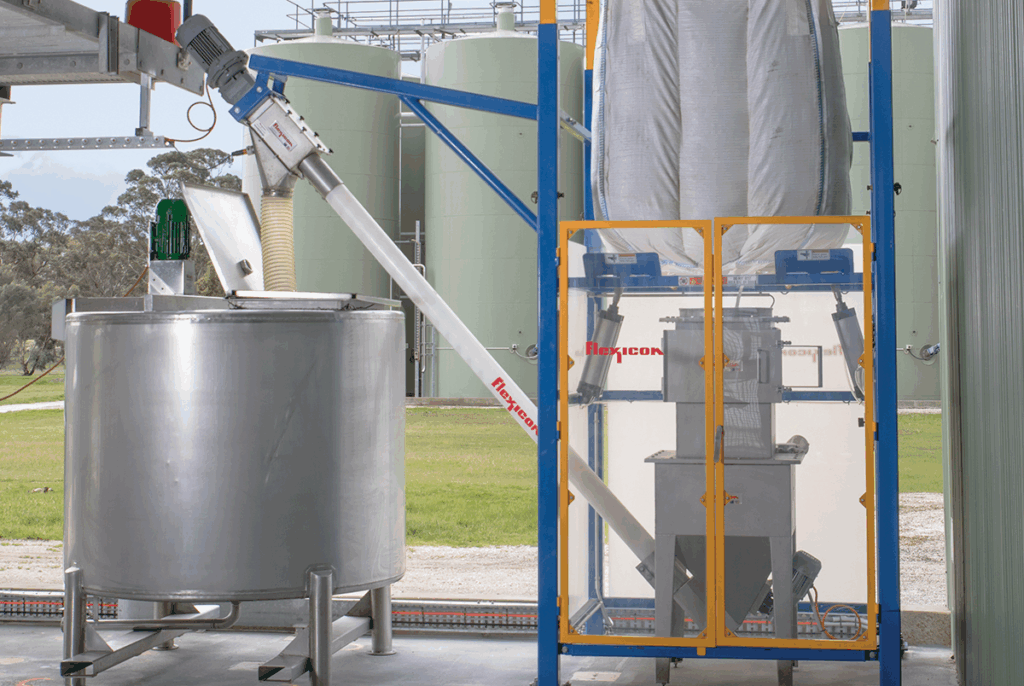
Volumetric feeding
Use speed control to regulate volumetric delivery to a process. Review bulk density and hopper conditions; speed alone does not measure the mass delivered.
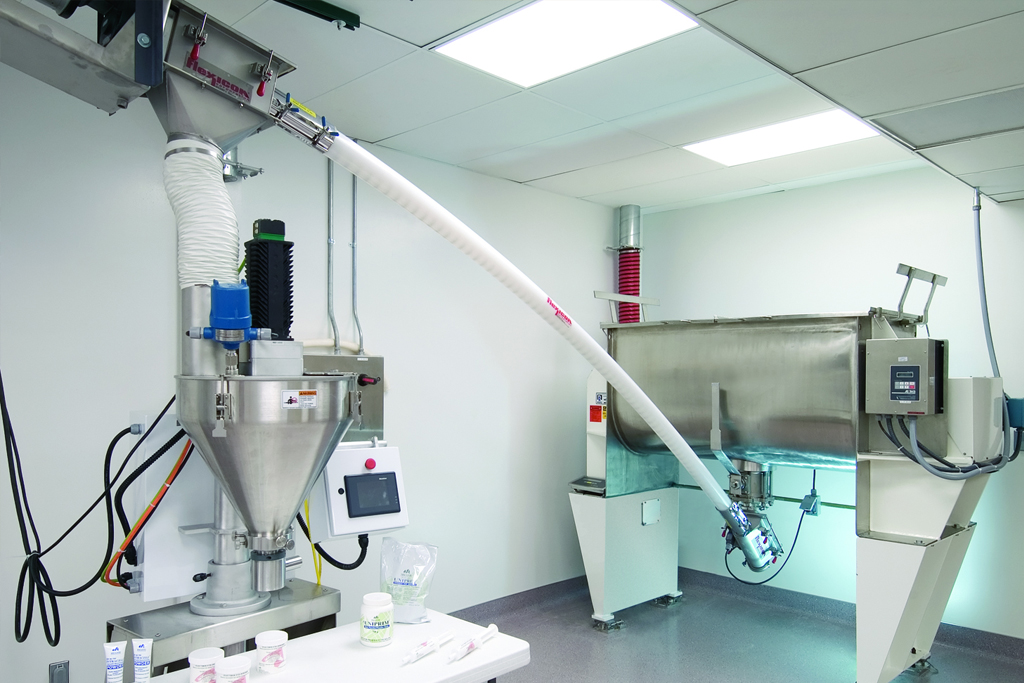
Conveying to or from process equipment
Connect bins, hoppers, mixers, screeners, mills or dust collector discharge. Include receiver venting, level signals and maintenance access.
How the equipment fits into your process
1. Receive and promote flow
Define how bags, containers or upstream equipment deliver material. Review dust capture, hopper capacity and the need for vibration, agitation or aeration.
2. Convey and control
Match the spiral, tube route and drive to the transfer duty. Include intermittent operation, batch cutoff and any upstream or downstream interlocks.
3. Discharge and confirm demand
Connect to the receiver with suitable access, venting and level or weight feedback. Include cleanout and maintenance clearances in the layout.
What changes when your material changes?
The same conveyor layout can behave differently with a different powder or blend. These are the material details that guide screw, tube, hopper and cleaning choices.
Does it bridge, pack or smear?
For cohesive powders and oily blends, review how material reaches the screw. Share moisture or oil content, storage conditions and any existing flow problems so hopper shape, agitation and spiral geometry can be considered together.
Review hopper flow enhancement →Is it abrasive?
Silica sand, cement and crushed glass need a wear-focused review. Send particle size, bulk density and operating hours; compare the documented all-steel design and make room to inspect and replace wearing components.
Review the all-steel configuration →Must particles or blends stay intact?
Tell RTS how much particle breakage or change in blend uniformity is acceptable. Assess representative material in the proposed arrangement before committing to a screw profile, speed and route.
How will it be cleaned?
For food ingredients, additives or frequent recipe changes, define dry cleaning versus washdown, allergen changeovers and acceptable residue. Review contact materials, finish, cleanout and space to remove the spiral.
Review sanitary construction and access →Common bulk material examples
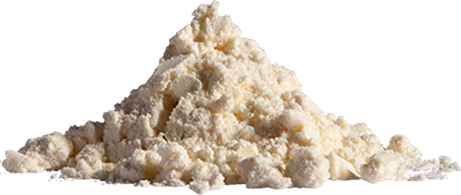
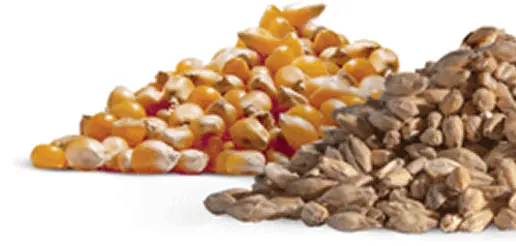
Material examples retained from the existing RTS page. Each grade, particle size and operating condition needs its own suitability review.



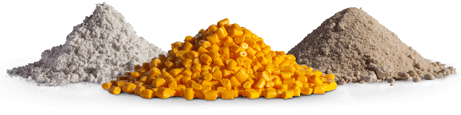

See the conveyor and real applications
Flexible screw conveyor overview
Flexicon’s introduction to the conveyor and its operating arrangement. Start here to see the equipment before reviewing configurations.
Cosmetics blending and packaging retrofit
Flexicon’s Delagar/Belcam application video describes integrating blending with bulk bag discharge and flexible screw conveying to a packaging line.
Weigh batching for terra cotta production
Flexicon’s Gladding McBean video shows bulk bag discharge and flexible screw conveyors as part of an ingredient weigh-batching system.
Published application examples
These are Flexicon manufacturer case studies, not claims that RTS supplied these installations. Read the PDFs without leaving for a supplier product page.
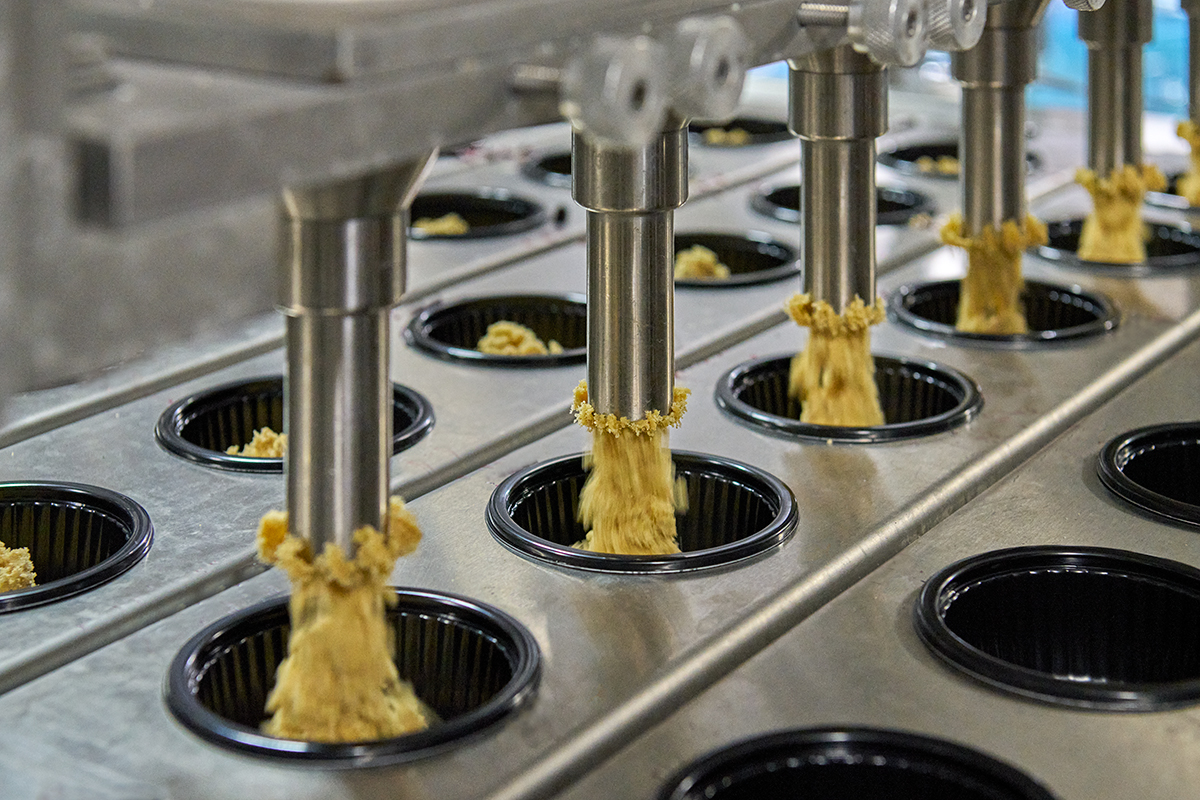
Lone Star Bakery: feeding a crumb depositor
Flexicon’s published bakery application uses a portable flexible screw conveyor to supply a dessert-cup crumb depositor. A tote tipper loads the hopper; the crumb blends include fats and oils, so material testing informed the hopper vibration, mechanical agitation and spiral selection.
A useful example when the product is cohesive and the packaging machine needs a dependable supply.
Read Case Study PDF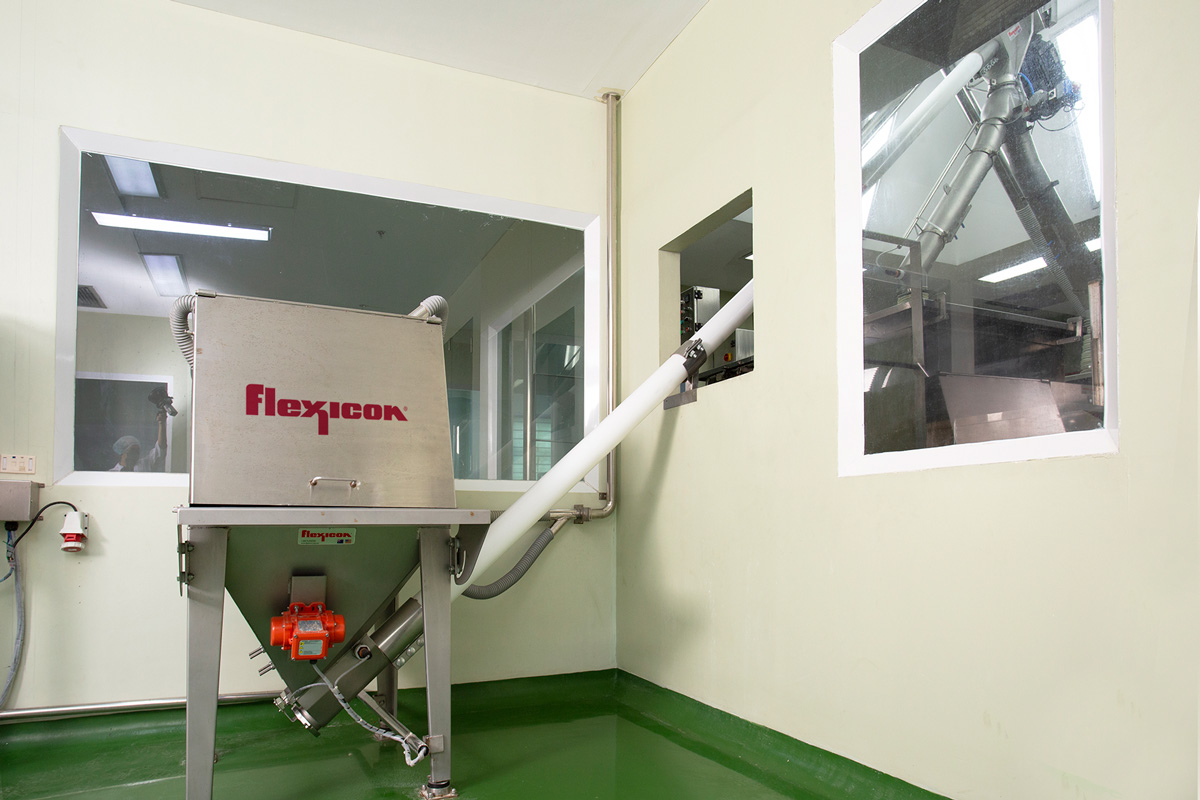
Blaine Manufacturing: bagged ingredients to two blenders
A floor hopper feeds an inclined flexible screw conveyor through a wall into a blending room. A wye diverter routes powdered ingredients to either of two ribbon blenders. Flexicon reports improved handling and hygiene compared with loading bags directly into the earlier blender.
A useful example of separating the bag-loading area from the processing room.
Read Case Study PDF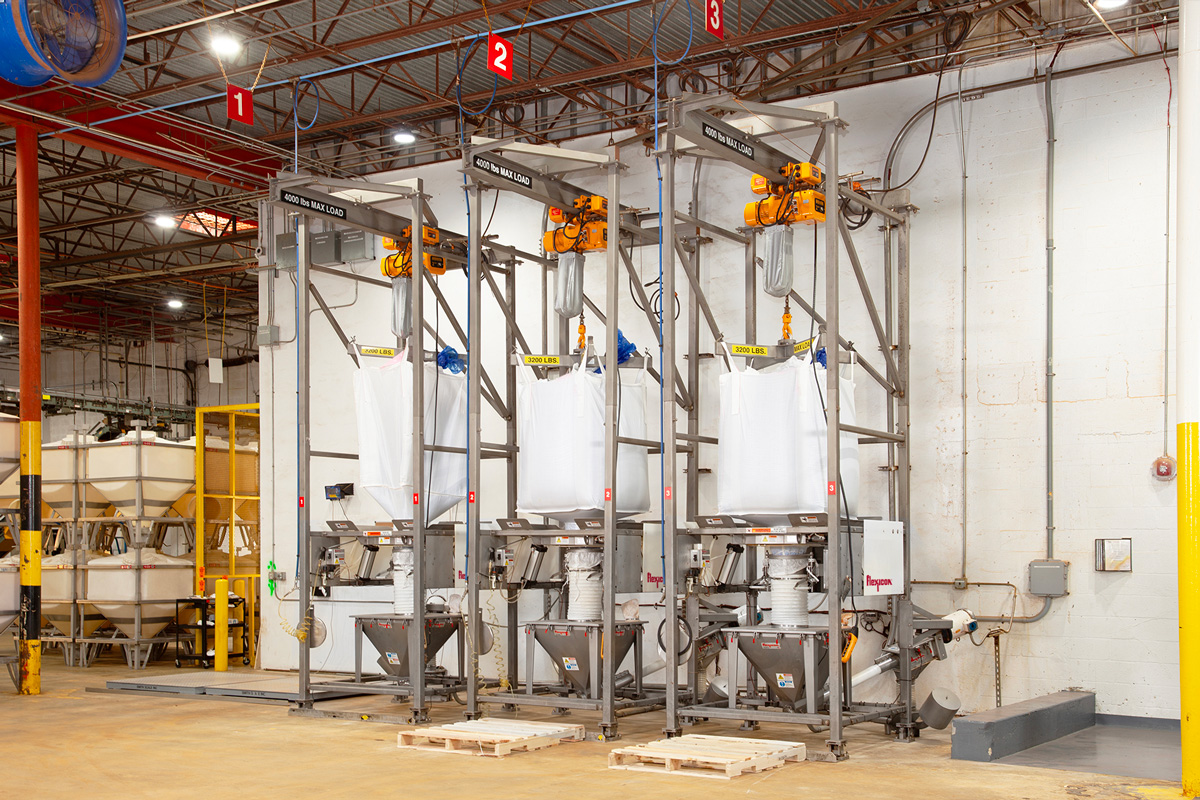
GOYA / Sazon: integrating conveying and weigh batching
The published system combines bulk bag unloading, flexible screw conveying, load-cell-based batch control and pneumatic transfer to blenders. Flexicon reports plant output increasing from 21 to 35 batches per shift after the wider project.
The reported result belongs to the integrated installation, including added equipment, not the flexible screw conveyor alone.
Read Case Study PDFCleaning, electrical requirements and service
Plan the cleanout
Define the cleaning method and changeover frequency. Review spiral removal space, cleanout access and suitable components before selecting a cleaning procedure.
Review Canadian site requirements
Send voltage, phase and frequency, including 575 V where applicable. Confirm the motor, panel and approval requirements for the selected system.
Identify the existing equipment
For replacement spirals, tubes or other parts, send the model, serial number and dimensions. Start in the RTS Stock Room.
Choose the materials of construction
Common product-contact construction choices include carbon steel, 304 stainless steel with an industrial finish, 304 stainless steel with a sanitary finish, 316 stainless steel with an industrial finish, and 316 stainless steel with a sanitary finish. Other materials, finishes and special requirements can be reviewed on request.
The material grade, weld treatment, surface finish and cleaning requirements affect the cost of the system. Stainless steel and sanitary finishes generally add cost compared with a comparable carbon-steel industrial design. RTS can help match construction to the product, process and budget.
Confirm the scope of product-contact parts, conveyor tube material, frame construction and required finish in the quotation. Sanitary construction includes design and finishing requirements beyond the stainless steel grade alone.
For combustible dust service, share any dust test report, known Kst/Pmax, area classification and existing protection. Motor or enclosure ratings alone do not establish the protection required for the complete installation.
When should we compare another conveying method?
A flexible screw conveyor is a useful starting point for many short-to-medium transfer duties. If your route, capacity or product response suggests another method, review the alternatives with RTS.
Pneumatic conveying
Review a different route or pickup arrangement, available air system and the product’s response to air conveying. Explore pneumatic / vacuum conveying →
Tubular cable conveying
Compare product handling, routing, cleanout and the required throughput with the flexible screw option. Explore tubular cable conveying →
Connect with the rest of your Flexicon system
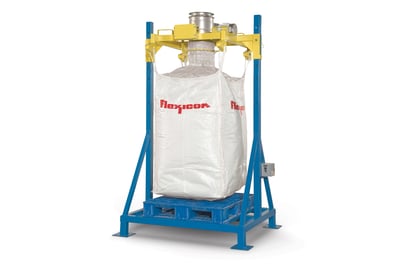
Bulk bag fillers
Review how material reaches the fill head and how filling is controlled.
Also known as: Bulk bag filling systems, FIBC fillers.
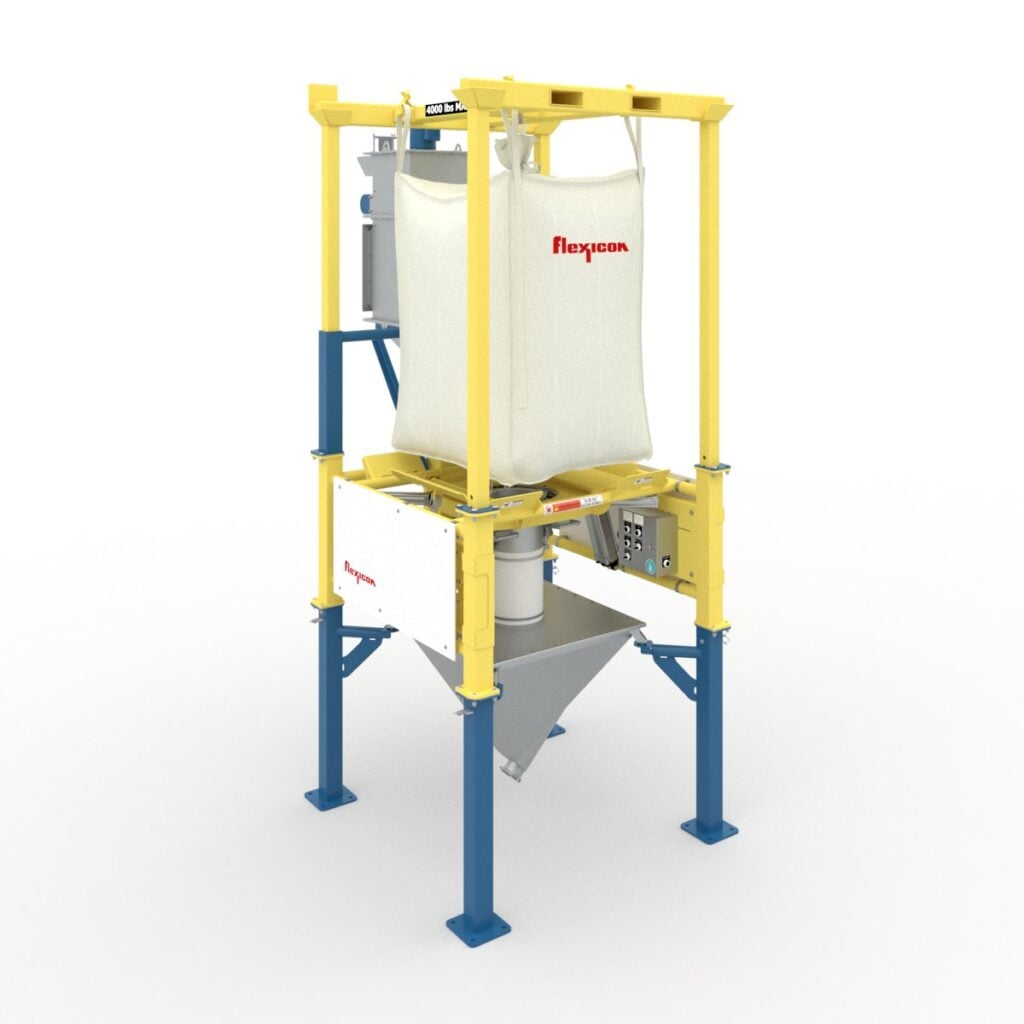
Bulk bag unloaders
Discharge bulk bags into the conveyor inlet. Review bag support, dust containment, flow promotion and the required conveying rate as one handling system.
Also known as: Bulk bag dischargers, FIBC unloaders, super sack unloaders.
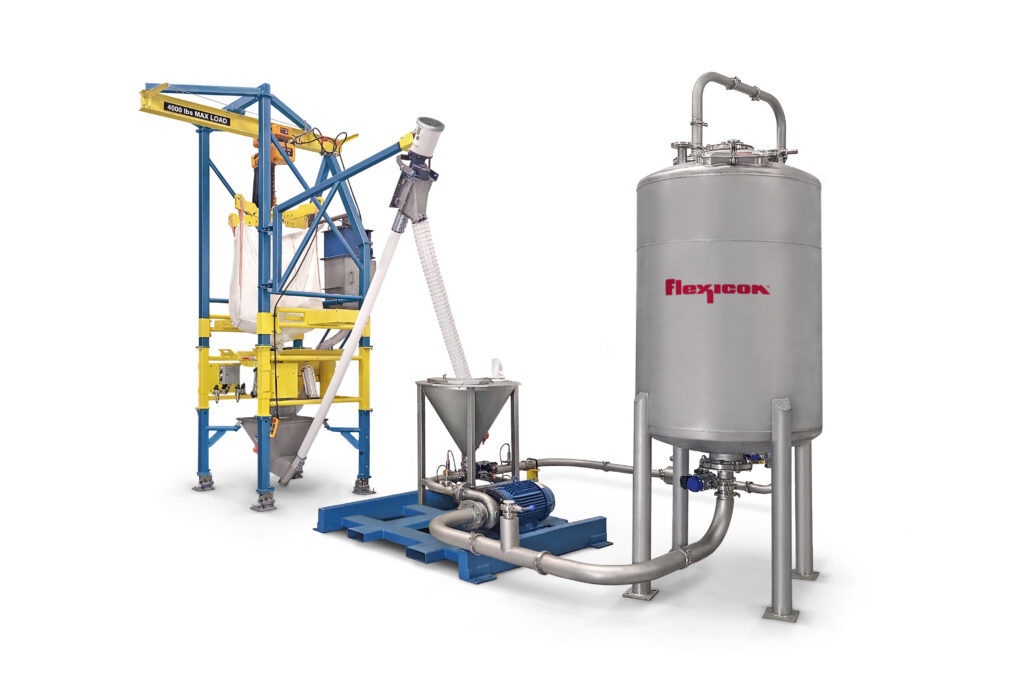
Liquid mixing eductors
Review the next process where dry ingredients must be incorporated into a liquid.
Also known as: Powder induction systems, mixing eductors.
Literature and technical resources
Brochures and application worksheets
Configuration/Application Ideas
- All-steel abrasion-resistant configuration (PDF)
- Mobile tilt-down configuration (PDF)
- Twin tilt-down sanitary system (PDF)
- Low-profile configuration (PDF)
- Tronox zircon and rutile case study (PDF)
- Integrated manual bag dump system (PDF)
- Sanitary loss-of-weight batch system (PDF)
- Sanitary mobile conveyor configuration (PDF)
Questions to help plan your conveyor
What information should I send?
Send material name, bulk density, particle size, required rate, horizontal distance and vertical lift. Include source and receiving equipment, cleaning needs, controls and a sketch. Use the unit converter if your measurements use different units.
What capacity or conveyor size do I need?
Start with minimum and maximum transfer rates, with units, and the route. Capacity depends on the product and configuration; a diameter alone is not a reliable sizing method. Tell RTS about surges and batch cycle times as well as the average rate.
Can it feed a weighed batch?
It can be integrated with a weighing system. Share the target batch weight, tolerance, allowed feed time and scale arrangement. Volumetric operation without weight feedback is a different duty.
Can it handle fragile particles or a pre-mixed blend?
Describe the acceptable change in particle size or blend uniformity, then review representative material testing. Do not assume the same outcome for every product or route.
Are mobile, sanitary and low-headroom options available?
Yes. Published designs include caster-mounted and tilt-down systems, sanitary mobile and twin-conveyor arrangements, and an inlet-driven low-profile version. Confirm the detailed construction and required standard for the quotation.
Can you offer a quick-ship conveyor?
Ask RTS to check current availability against your material, length, construction, electrical requirements and options. A published quick-ship programme applies to selected configurations; the promised delivery date belongs in the quotation.
Can I send photos or a drawing?
The online request includes the existing Flexicon HubSpot form with its optional attachment control. Follow the file types shown there. For other supporting files, email sales@ratetechnology.com with the RFQ reference.
READY TO REVIEW YOUR CONVEYING APPLICATION?
Request a flexible screw conveyor recommendation
Send the material, route and duty. Download the worksheet or complete the guided request below.
Call 905-607-3240 or email sales@ratetechnology.com.
RATE TECHNOLOGY SYSTEMS
Flexible Screw Conveyor Quote Request
Fill in the details you know. Review your summary and submit the completed request at the last step.
Optional: attach a photo
Use the Attach a photo field in the secure form below to choose an image from your device. Wait for Upload complete before selecting Submit. You can leave this field empty and still send your request.