Review a short transfer or a longer route with multiple pickup points and destinations.
Pneumatic & Vacuum Conveying Systems
Move powders and bulk solids through enclosed pipelines. Review Flexicon PNEUMATI-CON® dilute-phase systems around your material, conveying route, capacity and receiving process.
Request a QuoteWhat does your conveying system need to do?
Match the pickup connection, pressure arrangement, seals and receiving system to the containment requirement.
Coordinate conveying with receiver capacity, level demand, weighing and the equipment using the material.
How pneumatic conveying works
An air or gas stream moves bulk solids through an enclosed pipe. A feeder or pickup adapter introduces the product, an air mover establishes the flow, and a receiver or suitable process vessel separates the product from the conveying air.
Flexicon PNEUMATI-CON® systems use dilute-phase conveying: particles travel suspended in the gas stream. The material, rate, line route, pressure losses and receiving arrangement determine the design. Pipe diameter or blower size alone is not a sizing method.
Also known as: Pneumatic conveyors, vacuum conveyors, powder transfer systems, dilute-phase conveying and air conveying systems.
Vacuum or positive pressure?
Both arrangements move product in an air stream. Start with the source and receiving points, then review the material and required performance before selecting one.
Vacuum conveying
A downstream vacuum source draws air and product through the line. This can suit container pickup, multiple inlets and applications where inward leakage at an opening helps containment.
Confirm receiver discharge, filtration, product sensitivity, allowable vacuum and the route. Vacuum containment still depends on the complete system and its operating procedure.
Also known as: Vacuum transfer, suction conveying.
Positive-pressure conveying
An upstream blower pushes air through the line while a suitable feed arrangement introduces product. Review it for transfers from a source to one or more receivers, including storage-vessel filling.
Confirm the feed valve, pressure rating, receiving-vessel venting and route. Capacity and distance are specific to the material and system layout.
Also known as: Pressure conveying, blower conveying.
Plan the complete transfer
1. Meter and entrain
Introduce a controlled quantity of product into the conveying air. Match the feeder or pickup adapter to the material flow and available pressure difference.
2. Convey and route
Move product along a defined line, with bends and diverters selected for the route and material. Include the line-clearing sequence and destination controls.
3. Separate and discharge
Remove solids from the air stream and discharge to the process. Coordinate receiver venting, filter cleaning, level signals and batch or continuous outlet operation.
The main components to review
The blower or vacuum source, feed equipment, conveying line and receiver must be selected together. The following components are matched to that overall design, rather than supplied as one standard package.
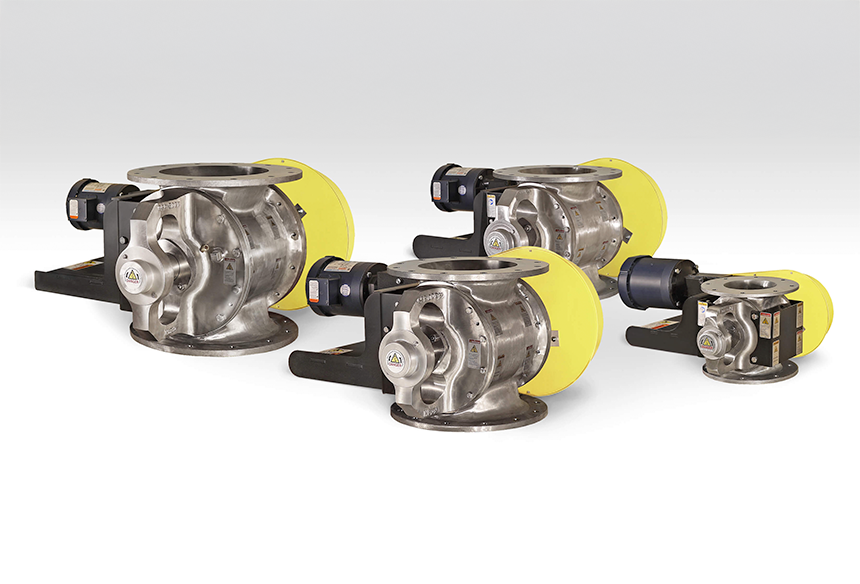
Rotary airlocks and pickup adapters
Meter product into a line and manage the pressure difference at the feed point. Confirm clearances, leakage, wear, cleaning access and suitability for the material.
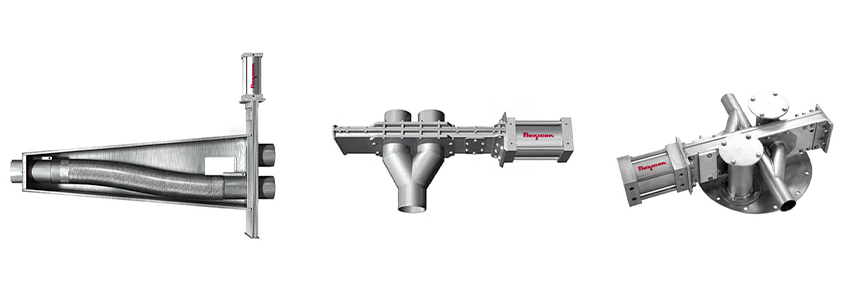
Diverters and line routing
Direct material between routes or receiving points. Review valve position feedback, sealing, product hold-up and how routing changes are interlocked.
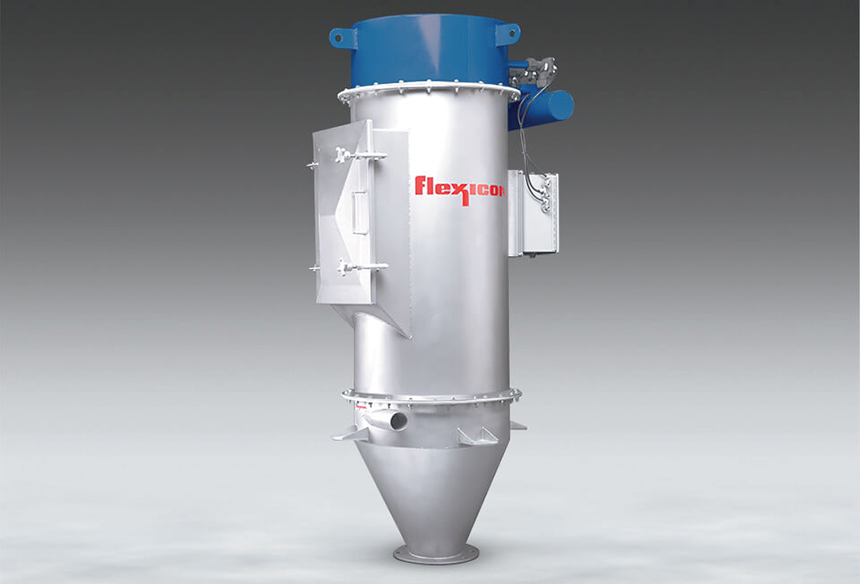
Filter receivers
Separate solids from conveying air using filter media. Select filtration, reverse-pulse cleaning, access and discharge hardware for the product and duty.
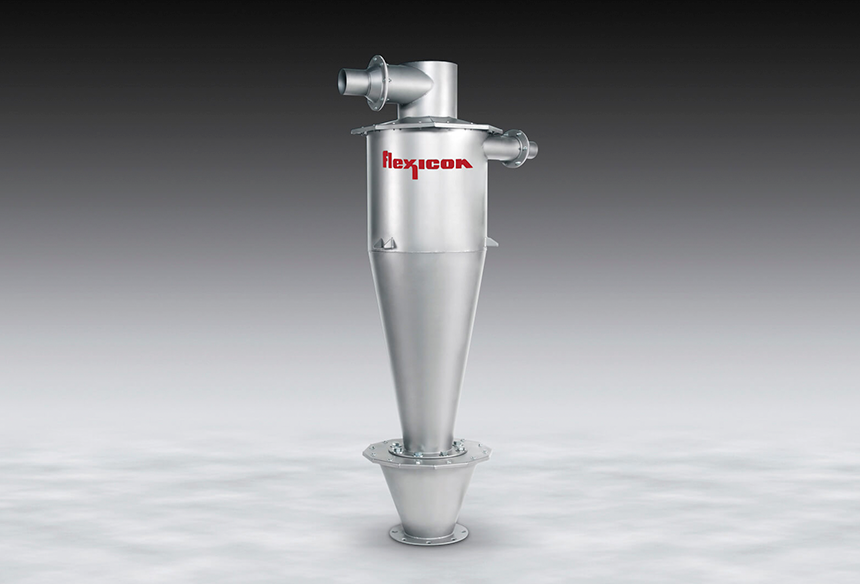
Cyclone separators
Use cyclonic action to separate suitable particles. Review the particle-size distribution and whether a downstream filter is required for remaining fines.
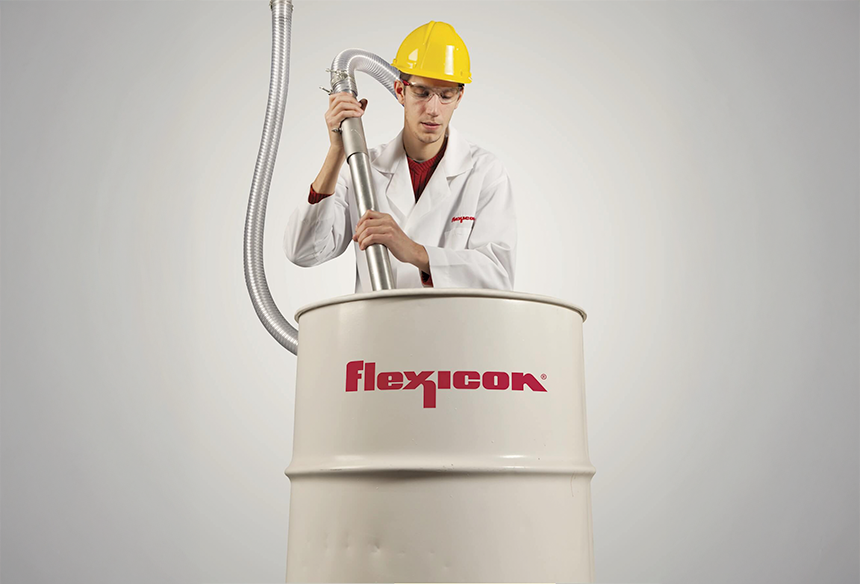
Handheld vacuum wands
Draw material from compatible drums, boxes or other containers through a hose. Review hose length, pickup access, material bridging and manual handling.
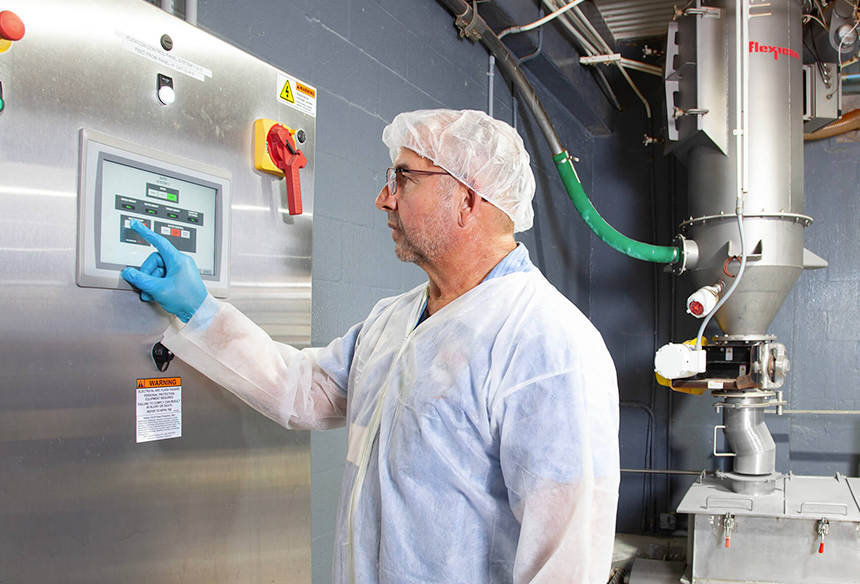
Automation and controls
Coordinate air movers, feeders, diverters, receivers and filter cleaning. Specify level demand, batch recipes, weighing, alarms and the required PLC or plant interface.
Choose the intake and receiving arrangements
Metered pickup
A rotary airlock with a flow-through adapter can introduce product into pressure or vacuum lines. A suitable screw feeder can also meter product into selected vacuum pickups.
Flood-feed pickup or wand
Non-flow-through adapters and wands are vacuum intake options. Send the source opening, supply behaviour and required rate so pickup air and material flow can be reviewed.
Batch or continuous discharge
A batch receiver can collect a charge and then discharge through a valve. Continuous discharge may use an airlock to maintain the required pressure difference. Define whether interruptions are acceptable.
Configurations selected around the job
These manufacturer examples illustrate intake, weighing and discharge arrangements. Confirm the components and performance for your own installation.
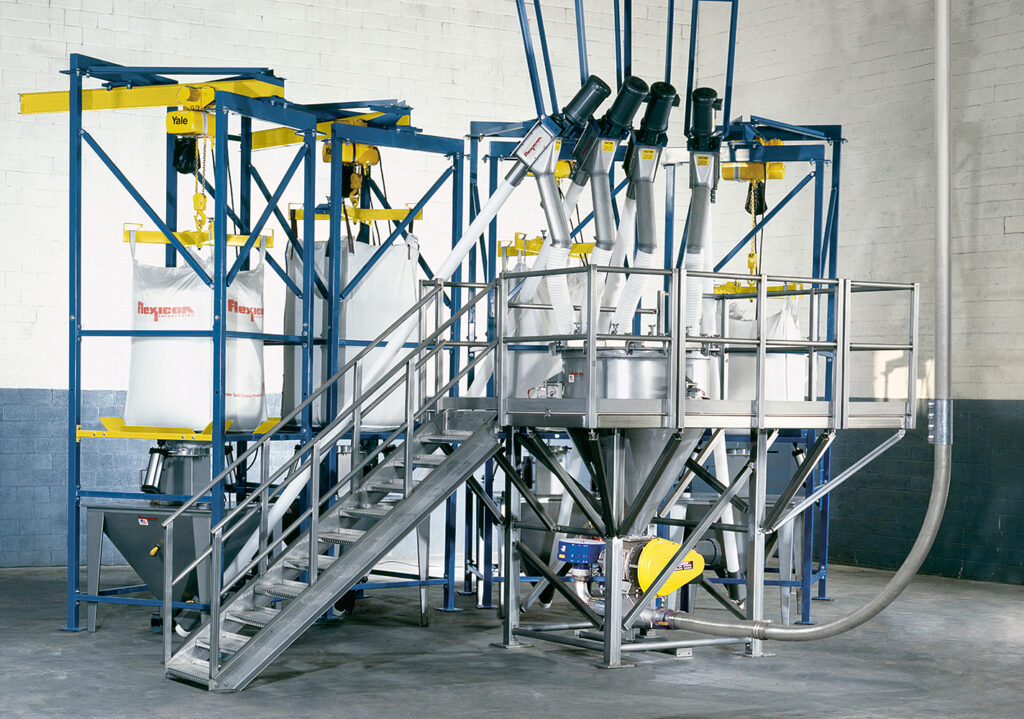
Weighed transfer from bulk bags
The published arrangement combines bulk bag unloading, screw feeding and pneumatic transfer for weighed ingredient delivery.
Application idea: Move a batch from a bag station to a remote process.
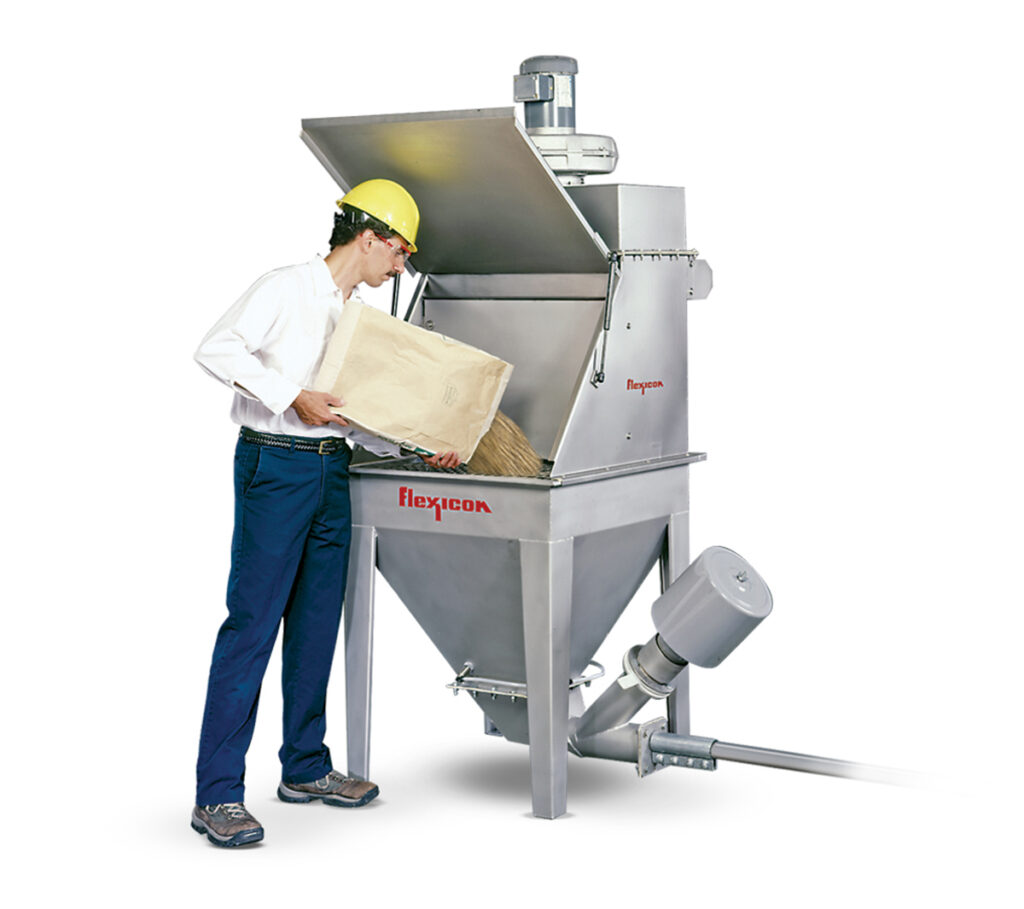
Manual bag dumping into a line
A bag dump station receives smaller containers and can meter product into a pneumatic line. Review loading frequency, local dust capture and cleanout.
Application idea: Transfer bagged ingredients to a mixer without carrying bags upstairs.
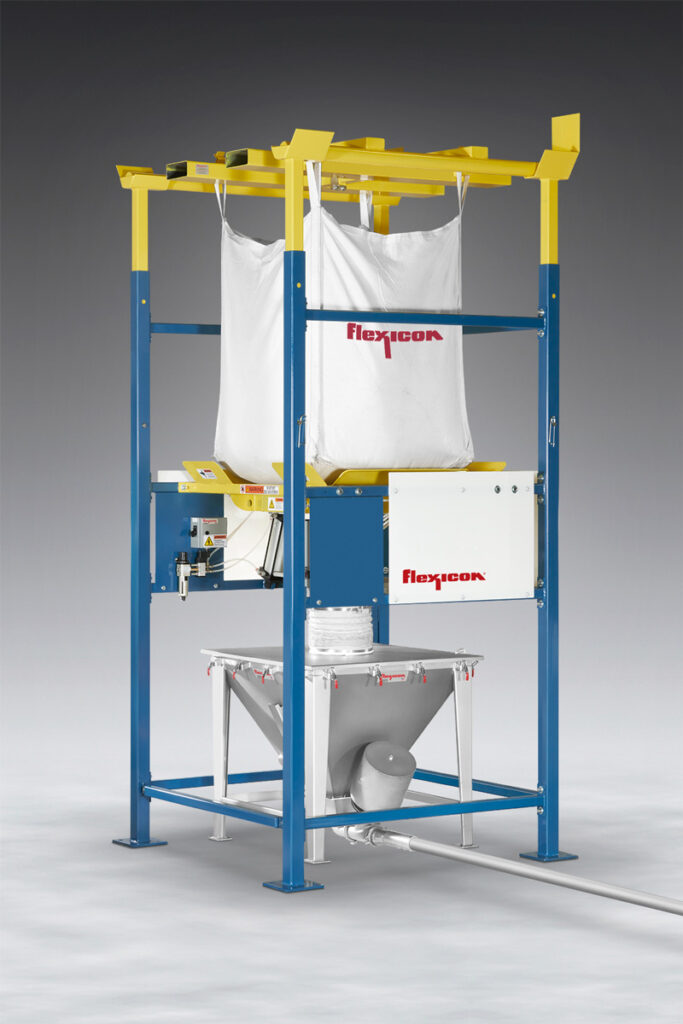
Bulk bags feeding a vacuum system
A sealed bulk bag discharge interface supplies a vacuum pickup. Flow promotion and liner handling are reviewed with the conveying intake.
Application idea: Unload dusty powders into a contained transfer line.
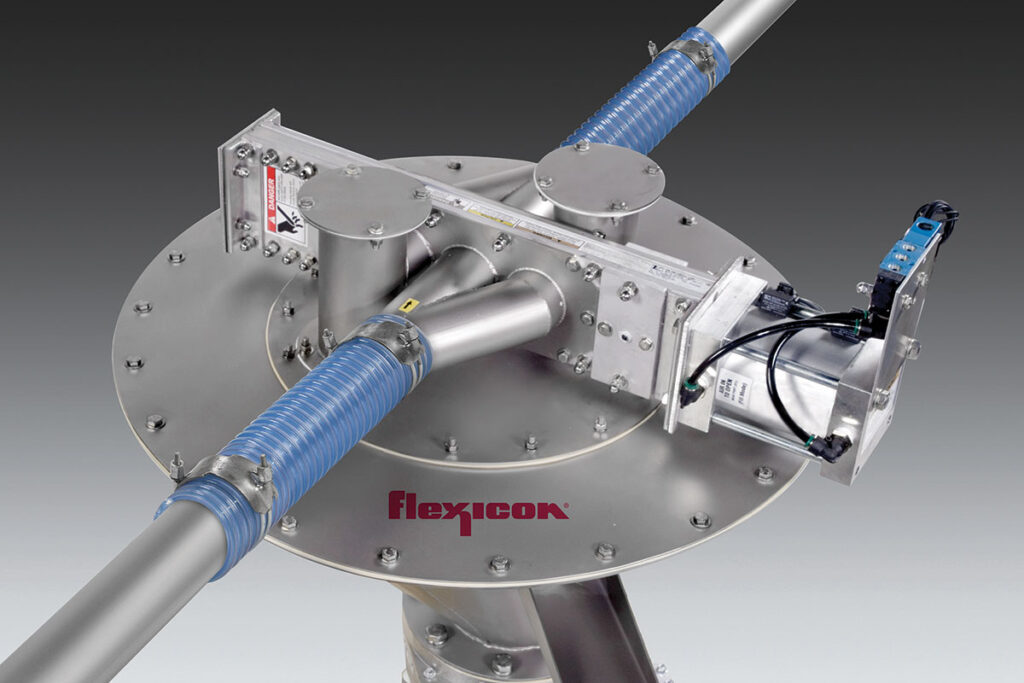
Fill/pass weigh hoppers
A fill/pass valve directs product into a weighed hopper or lets it continue along a common line. Coordinate the batch target, valve sequencing and final air path.
Application idea: Supply weighed additions to several process points.
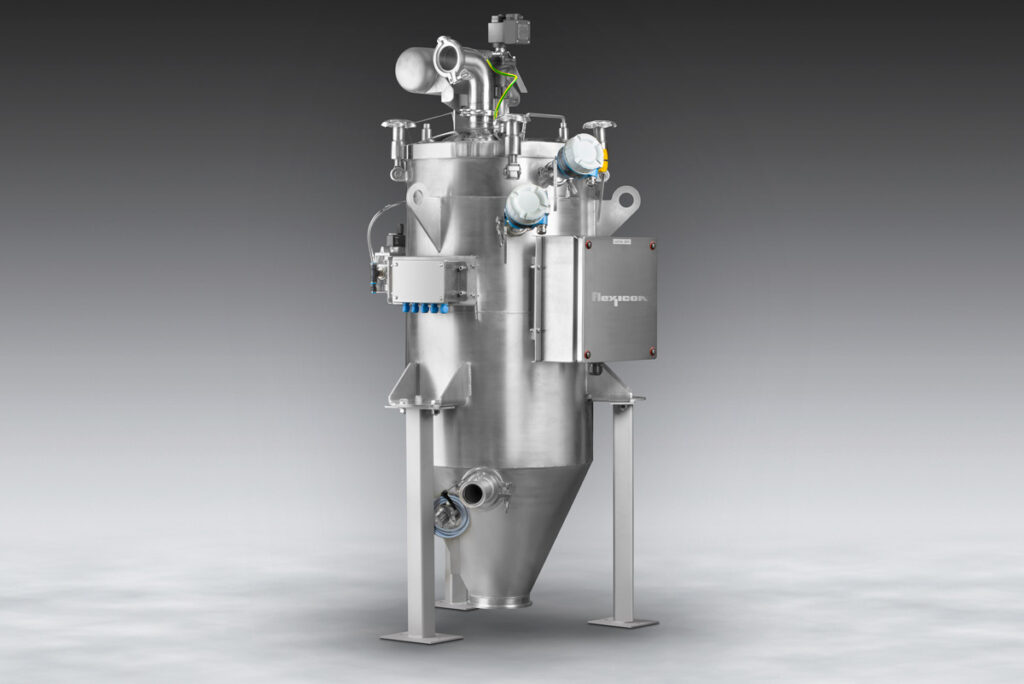
Sanitary filter receiver access
The pharmaceutical-grade example provides top access to the filter plate and product-contact areas. Match the finish, filter media and disassembly to cleaning requirements.
Application idea: Feed contamination-sensitive product to packaging or processing.
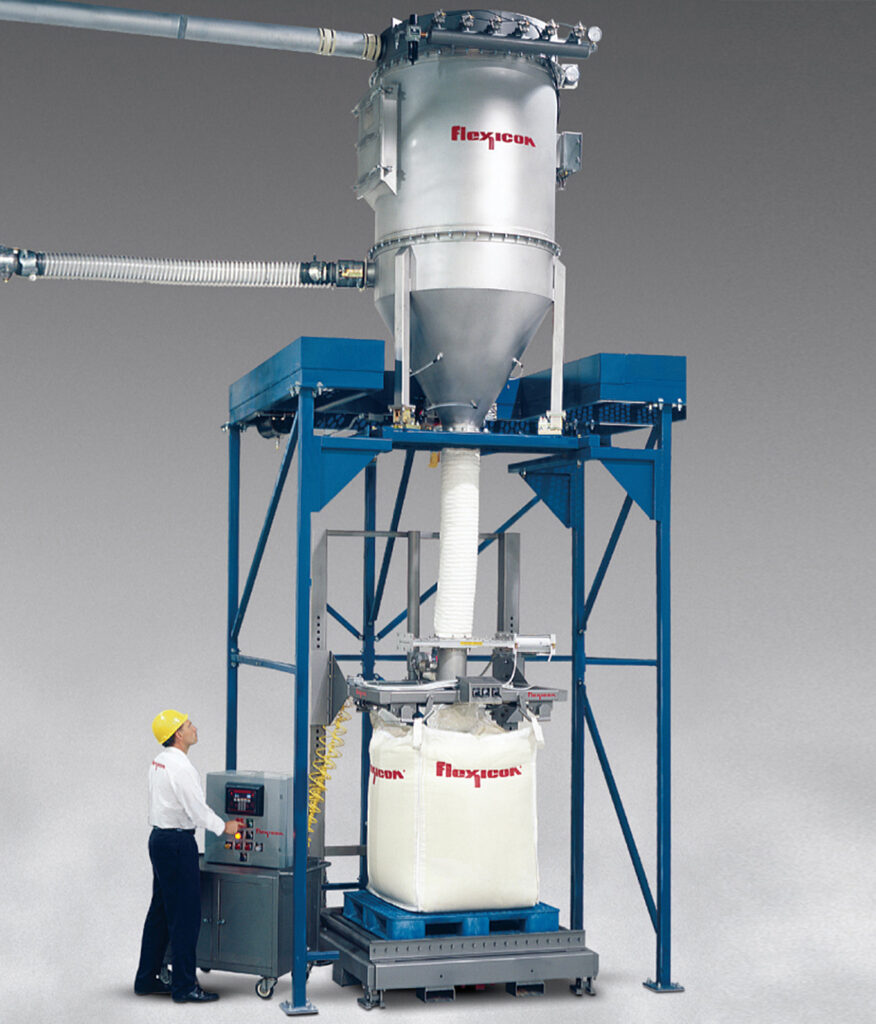
Pneumatic pre-weighing above a filler
A filter receiver on load cells weighs material before it drops into the bulk bag filler. This separates the weighing step from bag replacement.
Application idea: Coordinate bulk-bag filling with incoming pneumatic supply.
More options to build around your installation
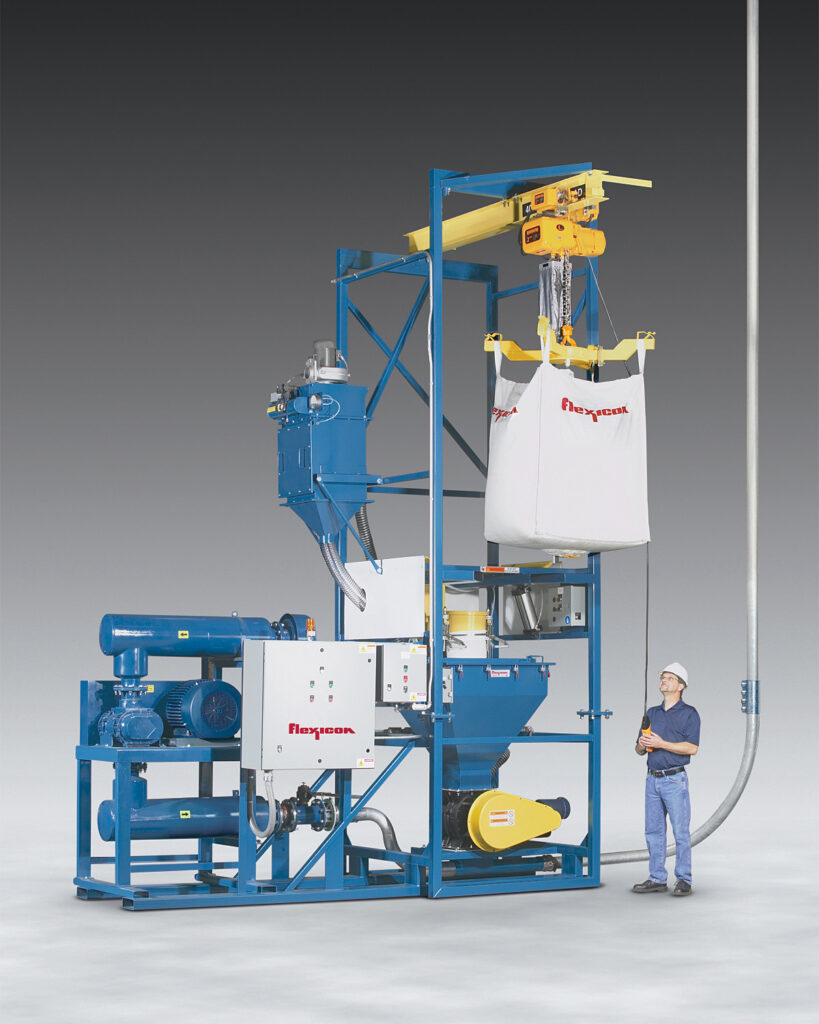
Skid-mounted bulk bag unloading to storage
The documented skid combines bag handling, discharge and positive-pressure conveying to send material into storage vessels. It provides an example of supplying silo storage from bulk bags rather than a bulk delivery vehicle.
Review the complete inlet and destination: bag-change rate, silo venting, level controls, available route and utilities.
View configuration PDF →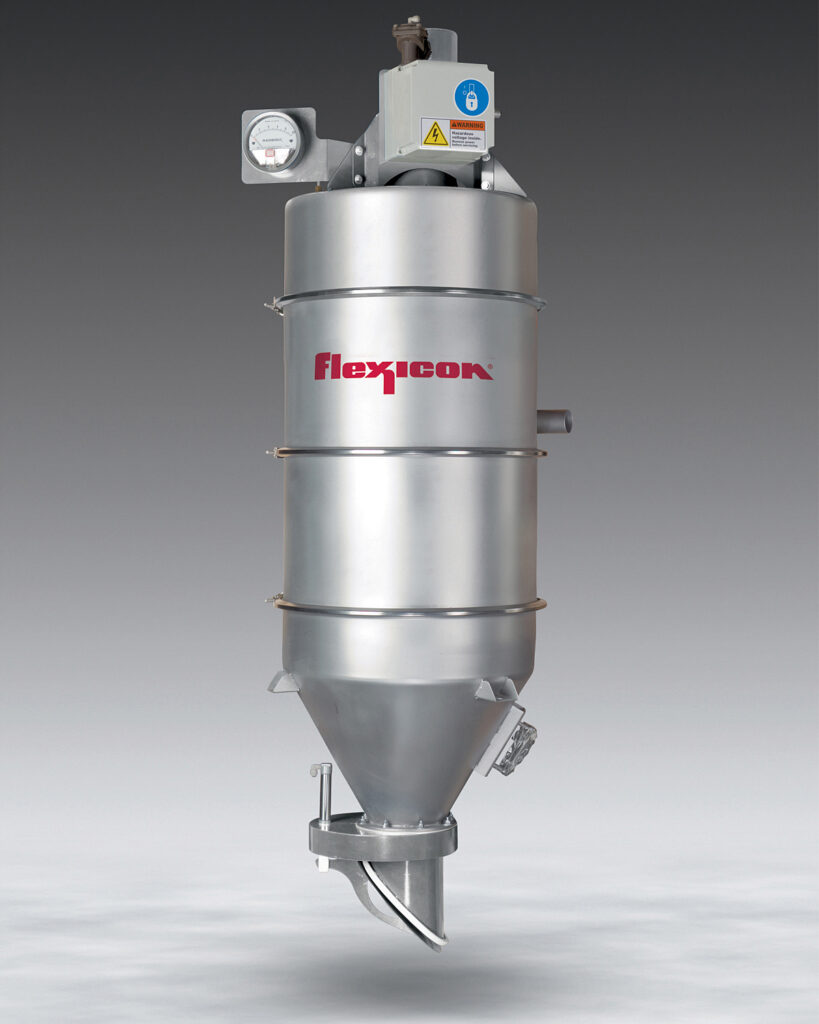
Vacuum receiver with pneumatic dump valve
This clamp-together receiver collects product through a filter cartridge and discharges through a pneumatically operated flap valve. Quick-release construction provides access for cleaning and filter maintenance.
Confirm holding volume, batch timing, filter cleaning and how receiver discharge is coordinated with the vacuum cycle and downstream process.
View configuration PDF →Technical configuration details
Vacuum conveying: pickup, receiver and discharge
Send all pickup points, the available source interfaces and the destination. Define whether material is drawn continuously or in cycles and whether the receiver can pause to discharge. Review inlet-air filtration and vacuum effects on the product.
Positive-pressure conveying: feed and destination venting
Define the feeder and conveying line, receiving-vessel pressure limits and the path for conveying air to leave. Include filter capacity, high-level protection, valve interlocks and any requirement to change routes during operation.
Weighed transfer from bulk bags
The published arrangement combines bulk bag unloading, screw feeding and pneumatic transfer for weighed ingredient delivery.
Specify batch weight, allowable error, transfer time and where weighing occurs. Consider product remaining in the feeder, line or receiver before declaring a batch complete.
View configuration PDF →Manual bag dumping into a line
A bag dump station receives smaller containers and can meter product into a pneumatic line. Review loading frequency, local dust capture and cleanout.
Specify sack weights and additions per hour, along with screens, magnets or other intake equipment. The bag-dump extraction and conveying air perform different functions.
View configuration PDF →Bulk bags feeding a vacuum system
A sealed bulk bag discharge interface supplies a vacuum pickup. Flow promotion and liner handling are reviewed with the conveying intake.
Confirm the bag outlet and liner, actual flow condition, receiving hopper and intake adapter. Include bag-change interruptions and any need to reclose partly full bags.
View configuration PDF →Fill/pass weigh hoppers
A fill/pass valve directs product into a weighed hopper or lets it continue along a common line. Coordinate the batch target, valve sequencing and final air path.
Supply a destination schedule and batch sequence. Confirm how the shared line is cleared and where air or unused material flows after the final valve.
View configuration PDF →Sanitary filter receiver access
The pharmaceutical-grade example provides top access to the filter plate and product-contact areas. Match the finish, filter media and disassembly to cleaning requirements.
The illustrated design specifies 316L contact construction and cleaning access. Confirm the applicable sanitary specification, filter materials and current documentation for the quoted receiver.
View configuration PDF →Pneumatic pre-weighing above a filler
A filter receiver on load cells weighs material before it drops into the bulk bag filler. This separates the weighing step from bag replacement.
Define the batch weight, receiver and filler heights, available refill time, and discharge rate into the bag. The linked configuration title and PDF describe the actual pneumatic filling example.
View configuration PDF →Applications: connect conveying to the process
Refill a feeder or packaging hopper
Demand signals start a transfer before the receiving equipment runs low. Confirm minimum and maximum levels, available receiver volume and process consumption during the transfer.
Batch ingredients into a mixer
Coordinate source selection, weighing, line clearing and discharge to the mixer. Identify the required recipe tolerance and whether ingredients can share conveying equipment.
Fill a silo or day bin
Check receiving-vessel venting, usable storage, high-level protection and routing from the source. The vessel and filter must suit the selected pressure or vacuum arrangement.
Pick up from containers or mobile sources
Review wands, hoses, bulk bag unloaders or vehicle interfaces as appropriate. Specify source access, material condition and how often pickup points change.
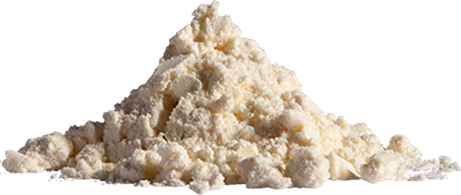
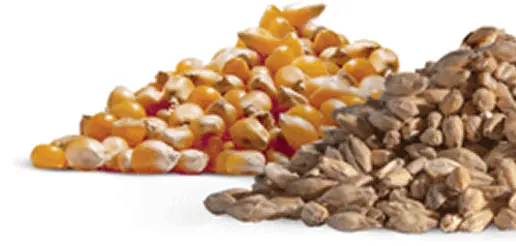
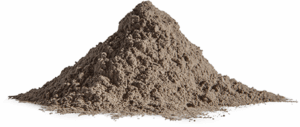
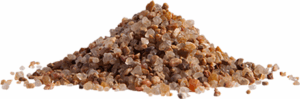
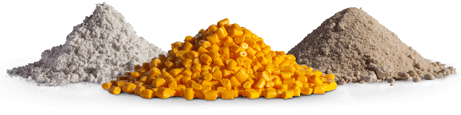
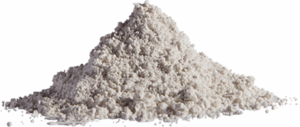
Common bulk material examples
Material examples are a starting point for review. Particle size, density, moisture, abrasiveness and the response to conveying air determine suitability; representative testing may be needed.
What should drive the selection?
Rate and route
Send minimum, normal and peak rates, horizontal distance, vertical lift, bends and all inlet/outlet elevations. A straight-line floor-plan distance does not describe the conveying duty.
Particle integrity and wear
State the permitted change in particle size or blend quality. Abrasive products may need selected bends or wear components; fragile products may justify testing or comparison with another method.
Moisture and air quality
Describe moisture, oil, temperature, stickiness and sensitivity to air exposure. Define conveying-gas cleanliness and any drying, cooling or special atmosphere requirements for review.
Changeover and line clearing
Define carryover limits, cleaning method and transfer-end sequence. Confirm the acceptable residual material rather than assuming an air purge establishes sanitary cleanliness.
Cleaning, electrical requirements and service
Plan access and filter maintenance
Review access to receivers, filters, feeders and bends. Define dry cleaning or washdown, drying time, product changes and the condition in which maintenance is performed.
Review Canadian site requirements
Send voltage, phase and frequency, including 575 V where applicable. State available compressed air for controls/filter cleaning and confirm air-mover, motor, panel and approval requirements.
Identify replacement equipment
For filter elements, airlocks, diverters, seals or other parts, send the model, serial number and photographs. Start in the RTS Stock Room.
Choose the materials of construction
Product-contact choices to review include carbon steel, 304 stainless steel industrial, 304 stainless steel sanitary, 316 stainless steel industrial and 316 stainless steel sanitary. Other materials, 316L construction or special finishes can be reviewed where specified. Confirm pipe, receivers, valves, seals and filter media separately from supporting frames.
Alloy, finish, sanitary detailing and abrasion resistance affect system cost. The number of receiving points, filtration, feed controls and route also influence the equipment scope. Match construction to the material, cleanout procedure and process requirements.
Confirm the required finish and documentation for each component. Stainless steel grade alone does not establish sanitary suitability.
For combustible or hazardous dust, provide available dust test data, area classification and the plant protection requirements. Review conveying, receivers, venting and isolation as a complete installation; an electrical rating alone does not define the protection required.
See pneumatic conveying in operation
Watch the existing RTS product video, then compare the intake, receiver and discharge arrangements with your application.
Application case studies

LKAB: wet, abrasive mica transfer
The documented mica installation conveys material from a wet process to an elevated receiver feeding the drying stage. The case addresses restricted routing and abrasive wear.
Application idea: Review moisture, temperature and bend wear with the representative material.
Read case study PDF →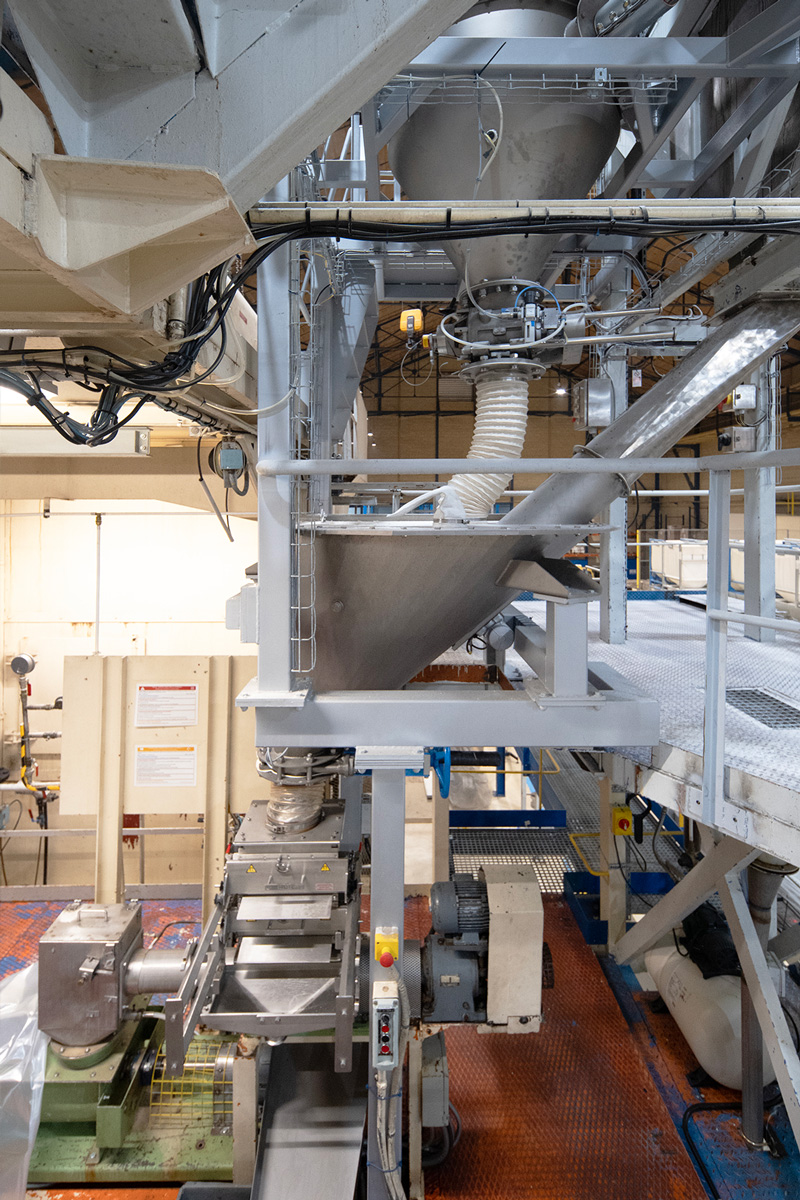
Tereos: sugar to two destinations
Bulk-bag discharge feeds a pneumatic line, with a diverter routing extra-fine sugar to the process or packaging line. Receivers separate conveying air at the destinations.
Application idea: Review the source station, routing valves and receiving equipment together.
Read case study PDF →When should we compare another conveying method?
Compare the route, throughput, particle integrity, cleanout and operating requirements before committing to a method.
Flexible screw conveyors
Review a mechanical transfer for a suitable route and product. Coordinate the inlet and discharge with the process and assess cleanout and wear.
Tubular cable conveyors
Review cable-and-disc conveying where product handling and the route make it suitable. Define the acceptable particle damage and required cleanout.
Connect with the rest of your Flexicon system
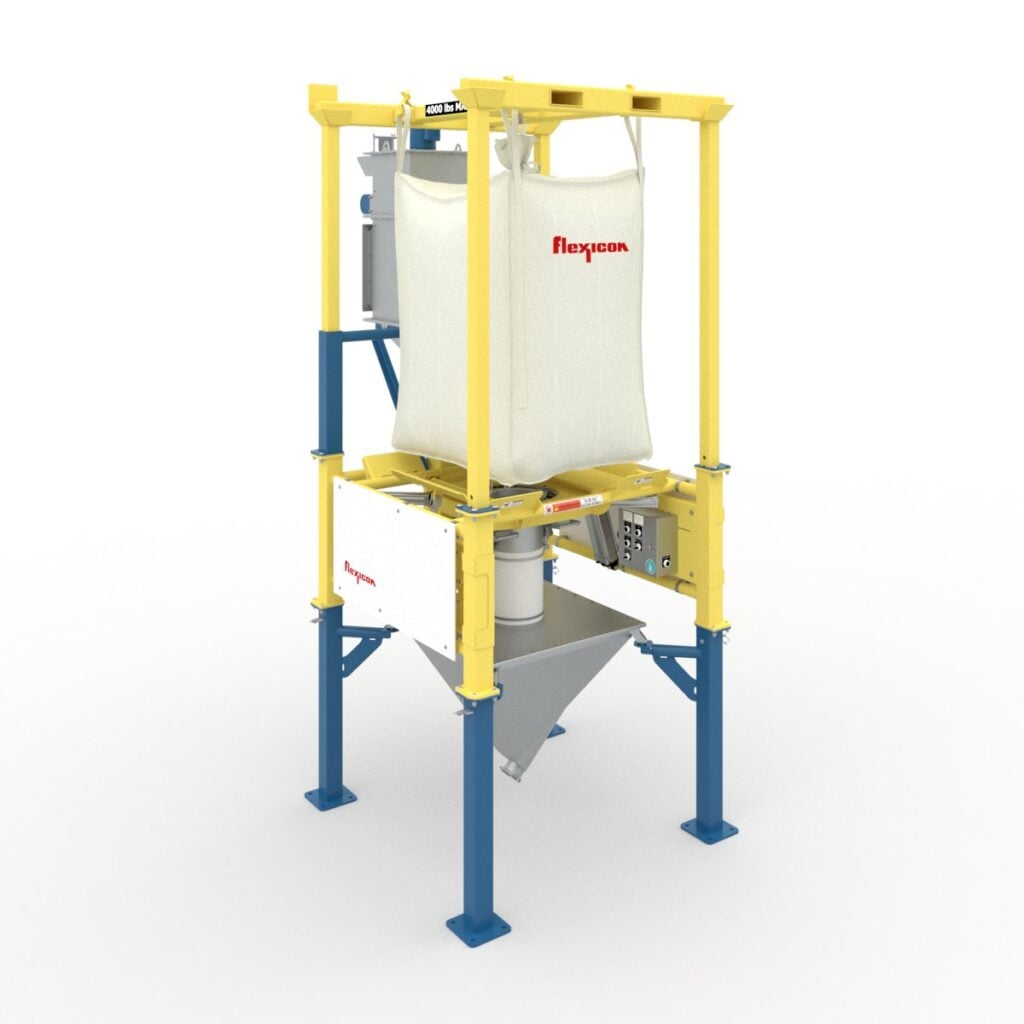
Bulk bag unloaders
Introduce material from FIBCs through a selected feed or vacuum pickup arrangement.
Also known as: Bulk bag dischargers, FIBC unloaders.
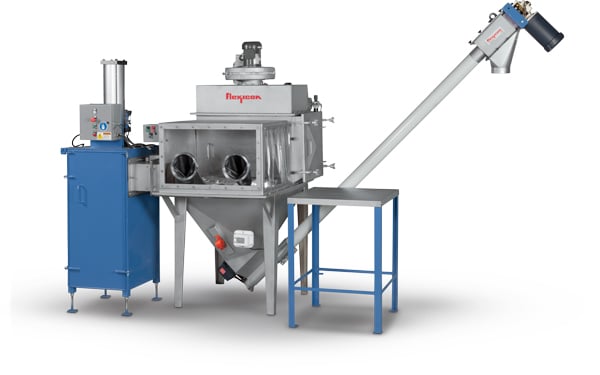
Bag dump stations
Receive smaller bags and meter their contents into the conveying system.
Also known as: Manual dumping stations, sack tip stations.
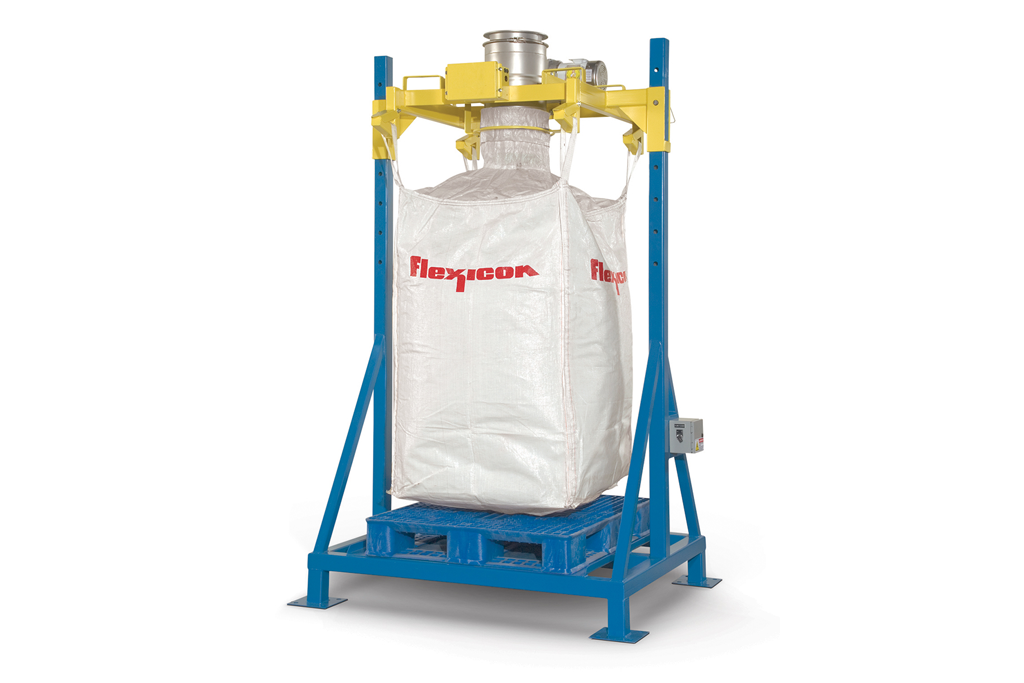
Bulk bag fillers
Supply material to a receiver or weighed hopper above the filling station.
Also known as: Bulk bag filling systems, FIBC fillers.
Literature and technical resources
Brochures and application worksheets
Configuration/Application Ideas
- Weighed transfer from bulk bags (PDF)
- Manual bag dumping into a line (PDF)
- Bulk bags feeding a vacuum system (PDF)
- Fill/pass weigh hoppers (PDF)
- Sanitary filter receiver access (PDF)
- Pneumatic pre-weighing above a filler (PDF)
- Skid-mounted bulk bag unloading to storage (PDF)
- Vacuum receiver with pneumatic dump valve (PDF)
- LKAB: wet, abrasive mica transfer (PDF)
- Tereos: sugar to two destinations (PDF)
Questions to help plan your conveying system
Does Flexicon offer vacuum and pressure conveying?
Yes. The PNEUMATI-CON range covers custom dilute-phase vacuum and positive-pressure arrangements. The selection depends on the material, rate, route and source/receiving conditions.
Is this a dense-phase conveying system?
The Flexicon systems described here use dilute-phase conveying. If you have an existing dense-phase system or a specific low-velocity requirement, state that in the request so the duty can be reviewed.
How far and at what rate can material be conveyed?
Provide the rate with units and the complete route. Distance, lift, bends, product behaviour, feeder performance and separation equipment all affect capacity. Confirm the design for the actual duty rather than selecting from a headline maximum.
Can it pick up from several sources or supply several destinations?
Published systems use multiple intake points, diverters and fill/pass arrangements. Define which routes operate together and how product changes, weighing and line clearing should work.
Does vacuum conveying guarantee dust containment?
Inward leakage can support containment, but results depend on the full pickup, receiver, seals, filters and operating cycle. Specify the material and exposure-control requirement for the installation.
Can it handle fragile, abrasive or moist products?
These characteristics require review. Supply representative samples and acceptable damage or wear limits where possible. The mica case study is a particular engineered example, not a guarantee for all wet materials.
What happens to the conveying air?
A receiver, cyclone or suitably designed process vessel separates material from air. Define the air-discharge path, filter duty and any environmental or process restrictions.
What information should I send for a quote?
Send material properties, minimum/normal/peak rate, route and elevations, source and destination details, operating mode and any batching target. Include utilities, cleanout, air quality and dust information if known.
READY TO REVIEW YOUR PNEUMATIC CONVEYING APPLICATION?
Request a pneumatic conveying recommendation
Send the material, conveying route and process duty. Download the worksheet or complete the guided request below.
Call 905-607-3240 or email sales@ratetechnology.com.
RATE TECHNOLOGY SYSTEMS
Pneumatic & Vacuum Conveying Quote Request
Fill in the details you know. Review your summary and submit the completed request at the last step.
Optional: attach a photo
Use the Attach a photo field in the secure form below to choose an image from your device. Wait for Upload complete before selecting Submit. You can leave this field empty and still send your request.